Last updated: September 2026
How Much Are My Model Trains Worth?
From prewar Lionel Standard Gauge locomotives and American Flyer S-gauge trains to detailed HO scale models and brass imports, our AI identifies your model trains and provides accurate market valuations. Whether you've inherited a collection or are evaluating your own layout, discover what your trains are worth today.
Get the free app for unlimited scans


Compare real prices
See what model trains are listed for right now
Affiliate link: we earn a commission if you buy, at no extra cost to you.
What do you want to value?
Get the free app for unlimited scans
Why Knowing Your Model Trains Value Matters
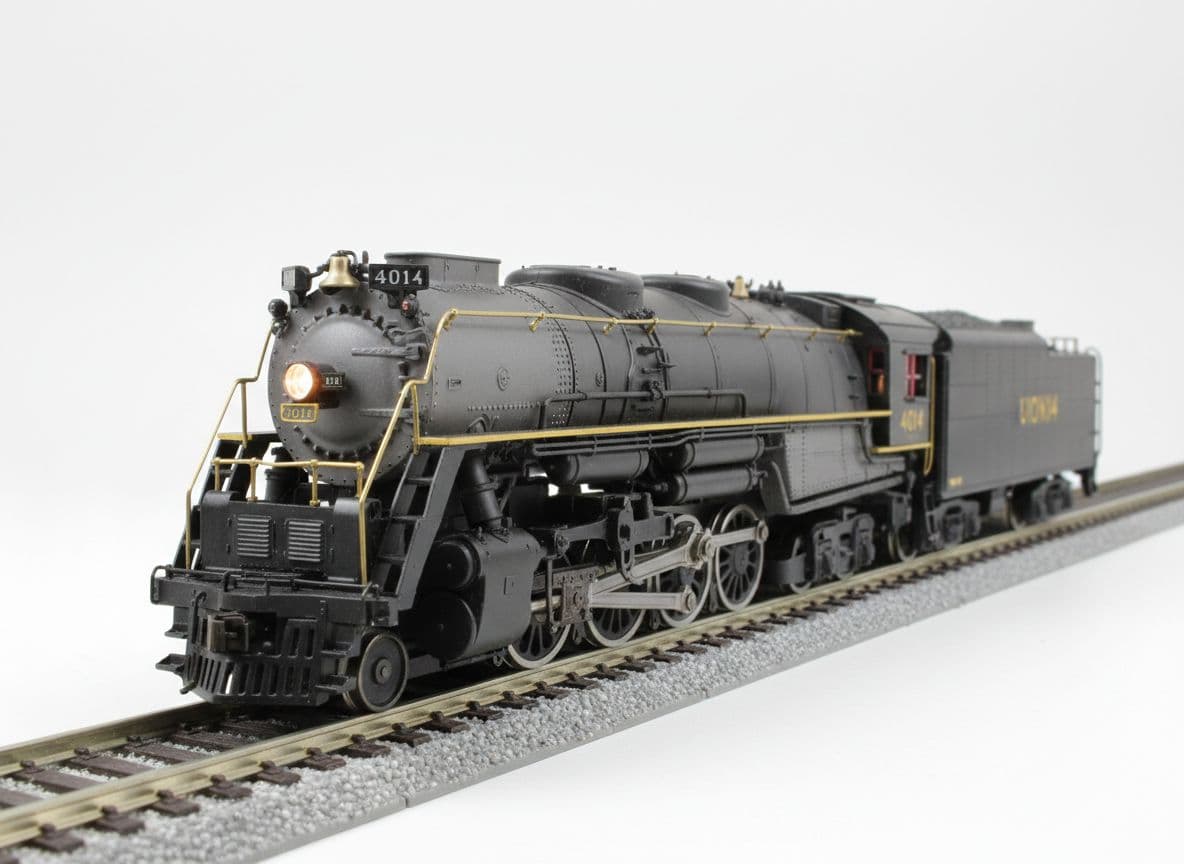
Model trains have been collected for over a century, and rare pieces can be extraordinarily valuable. A prewar Lionel Standard Gauge set in excellent condition can sell for $5,000-$50,000, and rare color variations or prototypes have fetched six figures at auction. Even postwar Lionel and American Flyer trains from the 1950s-60s hold significant value, with desirable pieces selling for $100-$2,000 each. Many families have inherited train collections stored in attics and basements without realizing their potential worth. Knowing the value is essential before selling, insuring, or deciding what to keep.
Key Factors That Affect Model Trains Value
Understanding what drives the price of model trains helps you get the most accurate valuation.
Manufacturer & Era
Lionel, American Flyer, Marklin, Ives, and Bing are among the most collected brands. Prewar (before 1942) trains are generally more valuable than postwar. Within Lionel alone, values range from $10 for common postwar cars to $100,000+ for rare prewar pieces.
Scale & Gauge
Standard Gauge (prewar Lionel) and O Gauge are the most collected American scales. HO scale has the largest market but lower individual values. European manufacturers like Marklin in Z, N, and HO scales have dedicated collector bases. Brass HO imports from Japan and Korea can be very valuable.
Condition & Original Parts
Condition is paramount in model train collecting. Original paint, decals, and components are essential. A Lionel engine with original paint might be worth $500, while the same engine repainted could be $50-100. The Train Collectors Association (TCA) uses a grading scale from C-1 (junk) to C-10 (mint).
Original Boxes & Packaging
Original boxes can represent 30-50% of an item's total value. A train that's worth $100 loose might bring $200 with its original box.complete sets in original set boxes with all inserts and paperwork are the most valuable configurations.
Rarity & Color Variations
Production variations in color, lettering, and trim create rare variants that collectors pursue. A common Lionel 2056 in standard colors might be worth $75, while a rare color variation of the same model could be worth $500-$2,000+.
Tips for Valuing Model Trains
Get the most accurate valuation by following these tips when photographing your model trains.
Photograph each piece individually showing all sides and any lettering or numbering
Include shots of the underside showing any manufacturer stamps or catalog numbers
Show original boxes, packaging inserts, and any paperwork or instructions
Note whether locomotives run and lights work, as operational condition affects value
Model Trains Market Insights
The model train market is mature and well-established, with active collector organizations like the Train Collectors Association (TCA) and the Toy Train Operating Society (TTOS). Prewar trains remain the blue-chip segment, with values holding steady or appreciating. Postwar Lionel trains from the 1945-1969 era represent the most actively traded segment, with strong demand for desirable engines and rare freight cars. The market for modern-era (1970-present) trains is softer but certain limited editions hold value. HO scale brass imports from manufacturers like Tenshodo, United, and Overland Models have a dedicated following with values ranging from $100 to $3,000+. The collector demographic skews older, but nostalgia continues to drive demand.
Notable Model Trains Values
Real-world examples of what specific model trains have sold for, so you can benchmark your own.
| Model Train | Condition | Typical Value |
|---|---|---|
| Lionel 773 Hudson Steam Locomotive (postwar) | Used, Complete | $400 - $1,200 |
| Lionel 2333 Santa Fe F3 AA Diesel Set | Used, Complete | $300 - $900 |
| Marklin 3015 DB Electric Locomotive (HO) | Used | $80 - $250 |
| American Flyer 322 New York Central Hudson | Used | $150 - $500 |
| Lionel 6-18005 New York Central 700E Hudson (1990 reissue) | Near Mint, Boxed | $500 - $1,500 |
| Athearn Blue Box HO Freight Car (single) | Used | $5 - $25 |
| MTH Premier O Gauge Pennsylvania GG1 Electric | Near Mint, Boxed | $300 - $700 |
| Lionel Standard Gauge 381E State Set (prewar) | Used, Complete | $2,000 - $8,000+ |
| Bachmann N Scale Starter Set | Used | $30 - $80 |
Based on eBay sold listings, Morphy Auctions records, and established collector price guides (Greenberg's, Train Collectors Association references).
Find Out What Your Model Trains Are Worth
Upload a photo now and get a free AI-powered valuation in seconds. No sign-up required.
Model Trains Valuation FAQ
Are old Lionel trains worth anything?
Many old Lionel trains have significant value. Prewar Lionel trains (before 1942) can be worth $100-$50,000+ depending on the piece. Postwar trains (1945-1969) range from $10 for common freight cars to $2,000+ for rare engines and sets. Even trains from the 1970s-80s (considered the 'modern era') have some collector value if they're limited editions.
Does running my trains reduce their value?
Light use with proper care doesn't significantly impact value for most trains. However, mint-condition trains that have never been run command premiums of 50-100% over lightly used examples. If you have trains that appear to be unused in original boxes, it may be worth preserving that condition. For common trains, running and enjoying them is perfectly fine.
How do I identify my model trains?
Look for markings on the underside or sides of the train. Lionel, American Flyer, and Marx typically stamped their names on pieces. Catalog numbers are usually printed on the sides or bottom. Our AI can identify most model trains from photos, matching them to specific catalog numbers and production years.
Should I restore or clean old trains before selling?
Never repaint, re-decal, or significantly alter vintage trains - this destroys collector value. Light cleaning with a soft cloth is acceptable. Removing surface dust and light oxidation is fine, but aggressive cleaning that removes original patina is not recommended. Restored trains are worth a fraction of original-condition pieces.
Model Trains Price Guides
Value anything, anytime
Unlimited valuations, saved history and full reports in the free app.