Last updated: September 2026
How Much Are My Antiques Worth?
From furniture and pottery to silverware and decorative arts, our AI can identify and value a wide range of antiques. Perfect for estate sales, insurance purposes, or discovering hidden treasures in your attic.
Get the free app for unlimited scans


Compare real prices
See what antiques are listed for right now
Affiliate link: we earn a commission if you buy, at no extra cost to you.
What do you want to value?
Get the free app for unlimited scans
Why Knowing Your Antiques Value Matters
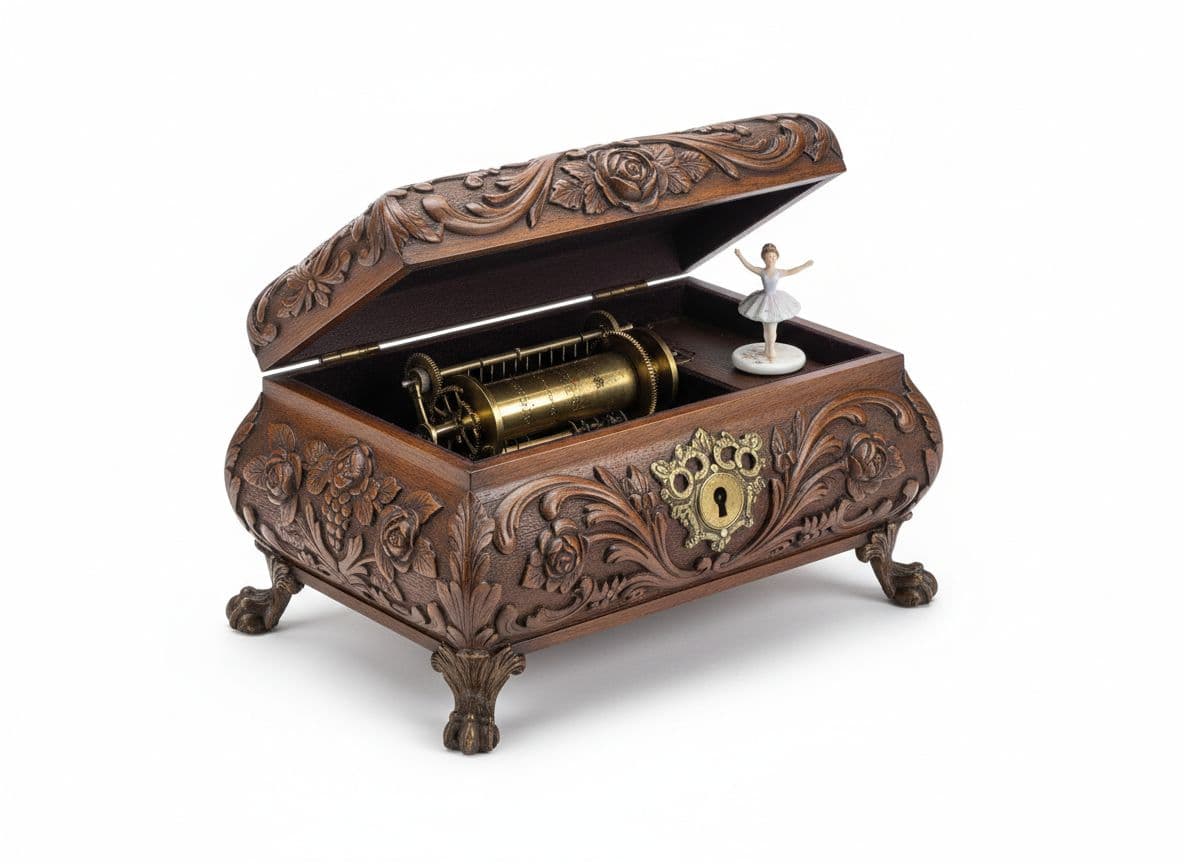
Antiques represent centuries of craftsmanship, history, and artistry, but their value can be incredibly difficult to estimate without expertise. The same style of dresser could be worth $200 or $20,000 depending on the maker, period, wood, and originality. Estate sales, thrift stores, and garage sales are full of antiques being sold for a fraction of their value by people who don't know what they have. Conversely, many items people believe are valuable antiques turn out to be later reproductions. Our AI helps you quickly distinguish between genuine antiques and reproductions, and gives you a realistic market value based on current demand and comparable sales.
Key Factors That Affect Antiques Value
Understanding what drives the price of antiques helps you get the most accurate valuation.
Age & Authenticity
True antiques (100+ years old) are valued differently than vintage (20-100 years) or reproduction pieces. Authentic period pieces with provable age through construction methods, materials, and wear patterns are worth significantly more than later copies, even high-quality ones.
Maker & Origin
Items from known makers, workshops, or regions command premiums. Signed pieces by identified craftsmen, items with factory marks (like Meissen, Wedgwood, or Tiffany Studios), and pieces from specific furniture-making regions (Shaker, Philadelphia Chippendale) are highly sought after.
Condition & Originality
For antiques, original condition is paramount. Original hardware, finish, glass, and upholstery all add value. Professional conservation is acceptable, but amateur repairs, replaced parts, or refinishing typically reduces value. Some wear and patina is expected and even desirable.
Style & Period
Certain periods and styles are more fashionable with current collectors. Mid-century modern has been extremely popular for over a decade. Art Deco and Art Nouveau have dedicated collector bases. Federal, Victorian, and Colonial Revival pieces fluctuate with design trends.
Provenance & History
Documented ownership history, especially if connected to notable people, events, or places, dramatically increases value. Items from famous estates, historic homes, or with exhibition history carry meaningful premiums. Even a simple old receipt or family photograph showing the piece adds credibility.
Tips for Valuing Antiques
Get the most accurate valuation by following these tips when photographing your antiques.
Photograph any maker's marks, signatures, or labels
Show the overall piece as well as details of craftsmanship
Include photos of any damage, repairs, or patina
Photograph the bottom or back where identification marks are often found
Antiques Market Insights
The antiques market has shifted dramatically with changing tastes. 'Brown furniture' (traditional mahogany and walnut pieces from the 18th-19th century) has softened in value as younger buyers prefer lighter, more modern aesthetics. Meanwhile, mid-century modern, industrial, and Arts & Crafts pieces are in strong demand. Asian antiques, particularly Chinese ceramics and jade, have a massive global market. The online antiques market through platforms like 1stDibs, Chairish, and LiveAuctioneers has expanded the buyer pool beyond local markets, often resulting in better prices for sellers with desirable pieces.
Notable Antiques Values
Real-world examples of what specific antiques have sold for, so you can benchmark your own.
| Antique | Condition | Typical Value |
|---|---|---|
| Tiffany Studios Leaded Glass Table Lamp | Authenticated | $8,000 - $150,000+ |
| Chippendale Mahogany Highboy (American, 18th c.) | Original finish | $3,000 - $25,000+ |
| Victorian Walnut Parlor Chair (c. 1870-1890) | Used / Reupholstered | $150 - $800 |
| Wedgwood Jasperware Biscuit Barrel (19th c.) | Good, no chips | $80 - $400 |
| Singer Treadle Sewing Machine (c. 1880-1910) | Complete, working | $100 - $500 |
| American Pressed Glass Banana Stand (EAPG, c. 1880s) | No cracks | $30 - $200 |
| Meissen Porcelain Figurine (18th-19th c.) | Authenticated, no repairs | $500 - $8,000+ |
| Arts & Crafts Mission Oak Library Table (c. 1900-1915) | Original finish | $400 - $3,500 |
| Bakelite Catalin Radio (c. 1930s-1940s) | Working, no cracks | $150 - $1,200 |
Based on eBay sold listings, major auction house records (Christie's, Skinner, Cowan's), and published antique price guides.
Find Out What Your Antiques Are Worth
Upload a photo now and get a free AI-powered valuation in seconds. No sign-up required.
Antiques Valuation FAQ
How old does something have to be to be considered an antique?
Generally, items over 100 years old are considered antiques, while items 20-100 years old are 'vintage.' However, value isn't solely determined by age - rarity, condition, and demand are equally important factors.
What antiques are worth the most money right now?
Mid-century modern furniture, Art Deco pieces, early American folk art, Chinese antiques, and original oil paintings are currently in high demand. The market fluctuates, so our AI uses current market data for valuations.
Should I restore my antique before selling?
Generally, no. Original condition, even with wear, is often more valuable than a restored piece. Improper restoration can actually decrease an antique's value. Our AI factors in the current condition of your piece.
How do I tell if something is a genuine antique or a reproduction?
Look for signs of age: hand-cut dovetails (irregular), hand-forged nails, uneven surfaces from hand tools, natural wood shrinkage, and consistent wear patterns. Reproductions often have machine-perfect joints, modern screws, and artificially distressed surfaces. Our AI analyzes visible construction details to help identify authentic pieces.
Where should I sell my antiques for the best price?
High-value pieces do best at established auction houses (Christie's, Sotheby's for top-tier; regional houses for mid-range). Online platforms like 1stDibs and Chairish work well for furniture and decorative arts. Local antique dealers offer convenience but typically pay 40-60% of retail. Estate sale companies can handle entire collections.
Antiques Guides & Articles
January 30, 2026
How to Identify Valuable Antiques: 8 Signs You Have Something Rare
January 14, 2026
How to Tell If Pearls Are Real: 7 Simple Tests
January 10, 2026
Most Valuable Stamps in the World: Rare Stamps Worth Millions

December 28, 2025
How to Tell If a Painting Is Valuable: 6 Key Signs
December 22, 2025
Vintage Pyrex Worth Money: Patterns, Colors & Values
December 18, 2025
Old Books Worth Money: How to Know If Your Book Is Valuable
Value anything, anytime
Unlimited valuations, saved history and full reports in the free app.