Last updated: September 2026
How Much Do Dental Veneers Cost?
Dental veneers cost $250-$2,500+ per tooth depending on the type, material, and your dentist's experience. Porcelain veneers average $925-$2,500/tooth, while composite veneers range from $250-$1,500/tooth. Our calculator estimates your total cost based on the number of teeth and type of veneers.
Get the free app for unlimited scans


Dental Veneers Value Calculator
Fill in the details below for an accurate estimate
Why Knowing Your Dental Veneers Value Matters
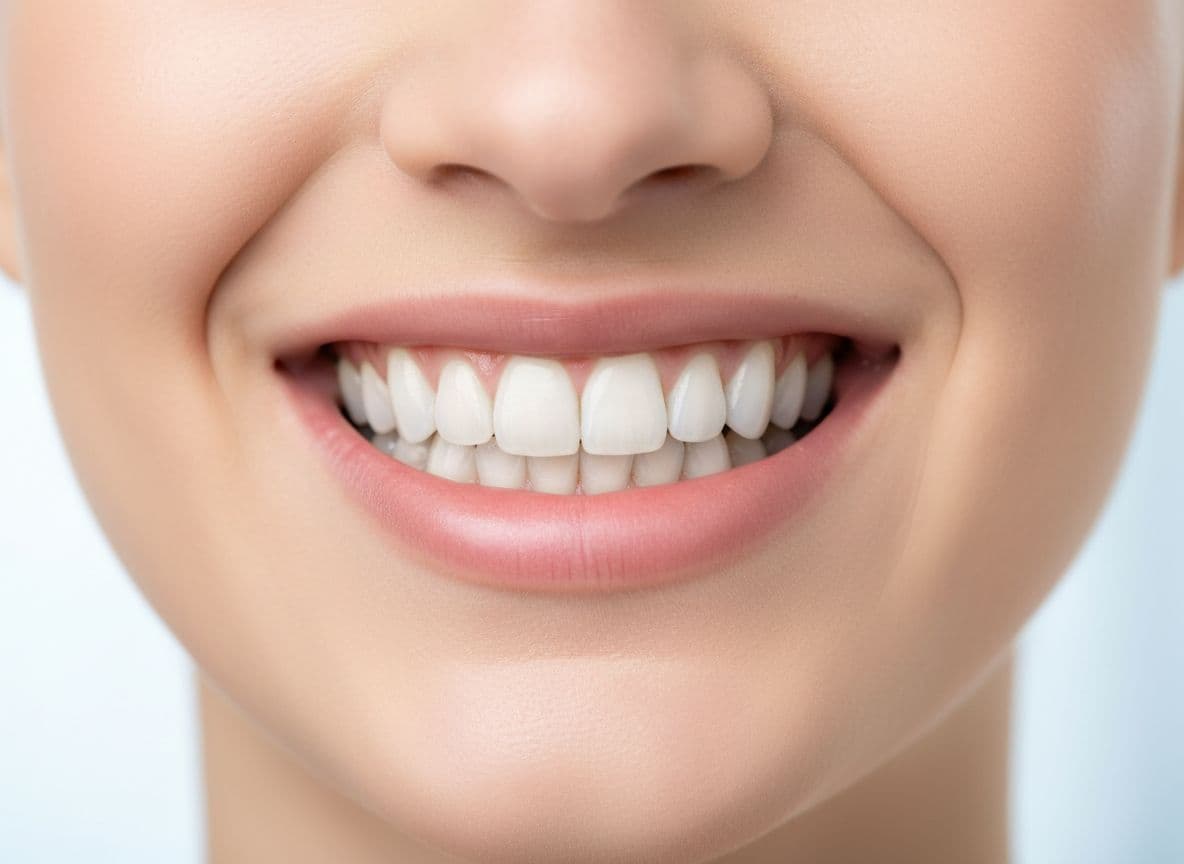
Veneers are one of the most requested cosmetic dental procedures, but pricing is notoriously opaque. The same porcelain veneer can cost $800 at one practice and $2,500 at another. And the quality difference may be minimal. Many patients are surprised by the total cost when treating 4-8 teeth at once ($4,000-$20,000). Understanding pricing factors helps you budget accurately, compare quotes intelligently, and choose the best value without sacrificing quality.
Key Factors That Affect Dental Veneers Value
Understanding what drives the price of dental veneers helps you get the most accurate valuation.
Veneer Material
Porcelain/ceramic veneers: $925-$2,500/tooth. Most durable, natural-looking, lasts 15-20 years.composite/resin veneers: $250-$1,500/tooth. Less durable (5-7 years) but cheaper and reversible. Lumineers/prepless veneers: $800-$2,000/tooth. Ultra-thin, minimal tooth reduction required.
Number of Teeth
Most smile makeovers cover 4-8 upper front teeth. A full set of 8 porcelain veneers costs $7,400-$20,000. Some dentists offer per-tooth discounts for larger cases. Lower teeth are sometimes included for a complete transformation, adding to the total.
Dentist Experience & Lab
Cosmetic dentistry specialists and accredited (AACD) dentists charge premium prices but deliver superior aesthetic results. The dental lab that fabricates the veneers matters enormously. Top labs charge the dentist $400-$600 per veneer. Discount labs charge $100-$200 but may produce inferior results.
Geographic Location
Major cities (NYC, LA, Miami) charge 30-50% more than smaller markets. International options (Mexico, Colombia, Turkey) offer significant savings but come with travel costs and follow-up challenges.compare local providers before considering medical tourism.
Additional Procedures
Many patients need preparatory work: teeth whitening ($200-$600), gum contouring ($200-$400/tooth), orthodontics, or treatment of existing dental issues before veneers can be placed. These add to the total investment.
Tips for Valuing Dental Veneers
Get the most accurate estimate by following these tips when evaluating your dental veneers.
Get a detailed treatment plan showing the per-tooth cost and any additional procedures
Ask to see before/after photos of the dentist's actual veneer cases
Request a diagnostic wax-up or digital mockup before committing
Check if your dental insurance covers any portion (some plans cover functional veneers)
Dental Veneers Market Insights
The cosmetic dentistry market continues to grow, driven by social media, smile makeover influencers, and increasing cultural emphasis on appearance. Veneer prices have increased 3-5% annually. The trend toward ultra-thin 'no-prep' veneers (Lumineers, DURAthin) has expanded the market to patients who want to preserve natural tooth structure. Dental tourism (particularly to Mexico, Colombia, and Turkey) has grown significantly, with some patients saving 50-70% on comparable quality. However, follow-up care and warranty considerations remain challenges for dental tourism.
Notable Dental Veneers Values
Real-world examples of what specific dental veneers have sold for, so you can benchmark your own.
| Dental Veneer | Condition | Typical Value |
|---|---|---|
| Single Composite Veneer (rural/suburban US) | New procedure | $250 - $600 |
| Single Composite Veneer (major US metro) | New procedure | $600 - $1,500 |
| Single Porcelain Veneer (mid-tier US dentist) | New procedure | $925 - $1,400 |
| Single Porcelain Veneer (cosmetic specialist, major city) | New procedure | $1,500 - $2,500 |
| Six Upper Porcelain Veneers (smile makeover, mid-market) | New procedure | $5,550 - $9,000 |
| Eight Upper Porcelain Veneers (full smile makeover, premium) | New procedure | $10,000 - $20,000+ |
| Lumineers Brand Veneers (per tooth) | New procedure | $800 - $2,000 |
| Dental Tourism Porcelain Veneers (Mexico/Turkey, per tooth) | New procedure | $200 - $500 |
| Composite Veneer Set of 8 (direct bonding, US) | New procedure | $2,000 - $8,000 |
Based on published dental fee surveys (American Dental Association, CostHelper Health), cosmetic dentistry practice price lists, and patient-reported costs on consumer health forums.
Find Out What Your Dental Veneers Are Worth
Upload a photo now and get a free AI-powered valuation in seconds. No sign-up required.
Dental Veneers Valuation FAQ
How much do porcelain veneers cost per tooth?
Porcelain veneers cost $925-$2,500 per tooth in 2026, with a national average around $1,200-$1,500/tooth. Premium cosmetic dentists in major cities may charge $2,000-$3,000+/tooth. The total for a typical 6-8 tooth case ranges from $5,550-$20,000.
Are veneers covered by insurance?
Most dental insurance considers veneers cosmetic and doesn't cover them. However, if veneers are placed for functional reasons (broken or structurally compromised teeth), insurance may cover a portion. Typically the cost of a crown. Ask your dentist to submit a pre-authorization.
How long do veneers last?
Porcelain veneers last 15-20 years with proper care.composite veneers last 5-7 years. Lumineers claim 20+ year longevity. Eventual replacement adds to the lifetime cost. Proper oral hygiene and avoiding biting hard objects extend veneer lifespan.
Are composite veneers worth it?
Composite veneers at $250-$1,500/tooth are a good option for budget-conscious patients or those who want a reversible procedure. They look good initially but stain more easily and need replacement every 5-7 years. For long-term value, porcelain typically costs less over a lifetime.
Can I finance veneers?
Yes. Most cosmetic dentists offer financing through CareCredit, Proceed Finance, or LendingClub. Many offer 0% interest for 12-24 months. Some practices offer in-house payment plans. Calculate total interest costs if you won't pay within the 0% promotional period.
Value anything, anytime
Unlimited valuations, saved history and full reports in the free app.