Last updated: September 2026
How Much Does a Root Canal Cost?
Root canal costs depend on which tooth is affected, your dentist vs. endodontist, insurance coverage, and whether you need a crown afterward. Front teeth are cheapest ($700-$1,000) while molars are most expensive ($1,000-$1,500+). Enter your details for a complete cost breakdown.
Get the free app for unlimited scans


Root Canal Value Calculator
Fill in the details below for an accurate estimate
Why Knowing Your Root Canal Value Matters
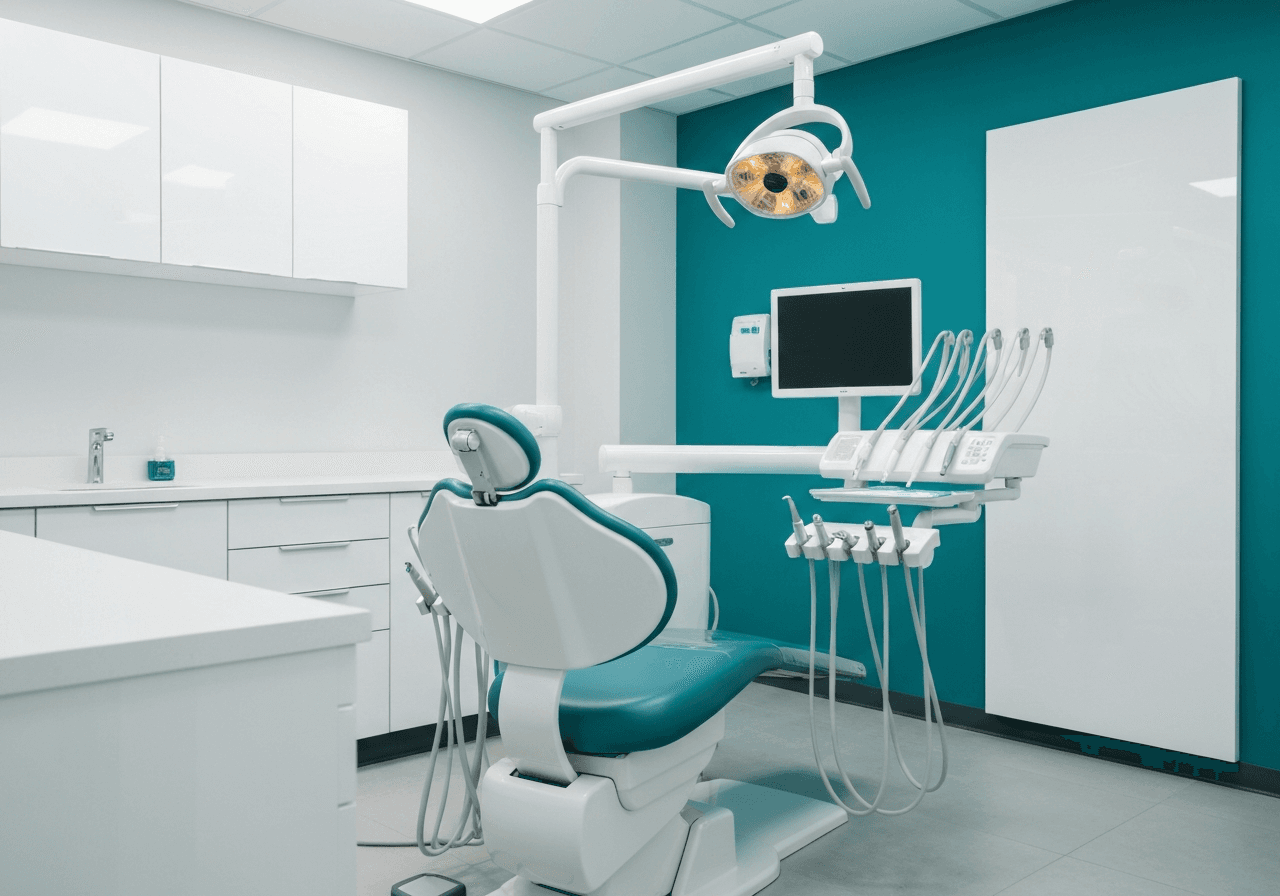
A root canal is one of the most common dental procedures, with over 15 million performed annually in the US. The procedure itself costs $700-$1,500, but the total cost including the required crown afterward can reach $1,500-$3,000+ per tooth. With dental insurance, out-of-pocket costs typically drop to $200-$800. Many patients are surprised by the crown cost, which is often not included in the initial root canal quote. Understanding the full treatment cost upfront helps you budget and compare options.
Key Factors That Affect Root Canal Value
Understanding what drives the price of root canal helps you get the most accurate valuation.
Tooth Location
Front tooth (incisor/canine): $700-$1,000. Single root canal is simpler. Premolar (bicuspid): $800-$1,200. One or two canals. Molar (back tooth): $1,000-$1,500+. three or four canals, most complex and time-consuming.
Dentist vs. Endodontist
General dentist: 20-30% cheaper, fine for front teeth and simple cases. Endodontist (root canal specialist): $100-$300 more but higher success rates, especially for molars, retreatments, and complex anatomy. Most dentists refer molar root canals to endodontists.
Crown (Required After)
Most root-canal-treated teeth need a crown to prevent fracture. Porcelain crown: $800-$1,500. Porcelain-fused-to-metal: $700-$1,300. Zirconia: $800-$1,500. Gold: $800-$2,000. The crown is a separate fee from the root canal itself.
Insurance Coverage
Most dental insurance covers 50-80% of root canal costs after deductible. Annual maximums ($1,000-$2,000) can be a limiting factor if you need multiple procedures. With insurance: $200-$600 out of pocket for root canal + crown. Without insurance: $1,500-$3,000 total.
Geographic Location
Major cities: 20-40% higher than national average. Rural areas: 10-20% below average. Dental schools offer root canals at 50-70% of private practice rates (longer appointments, performed by supervised students).
Tips for Valuing Root Canal
Get the most accurate estimate by following these tips when evaluating your root canal.
Specify which tooth needs treatment (front, premolar, or molar)
Note whether you have dental insurance and approximate coverage
Indicate if you were referred to an endodontist or seeing a general dentist
Ask if the crown cost is included in the quote you received
Root Canal Market Insights
Root canal costs have increased 15-20% over the past 5 years due to rising overhead and material costs. The alternative to a root canal. Extraction and implant. Costs $3,000-$6,000 and takes 6-12 months. This makes root canals the more economical choice for saving a natural tooth in most cases. Dental discount plans (not insurance) offer 20-40% off dental procedures for a $100-$200 annual fee and can be a good option for uninsured patients.
Find Out What Your Root Canal Are Worth
Upload a photo now and get a free AI-powered valuation in seconds. No sign-up required.
Root Canal Valuation FAQ
How much does a root canal cost without insurance?
Without insurance: front tooth $700-$1,000, premolar $800-$1,200, molar $1,000-$1,500. Add $800-$1,500 for the crown. Total without insurance for a molar root canal + crown: $1,800-$3,000. Dental schools offer the same procedure for $400-$800.
Does insurance cover root canals?
Most dental insurance covers root canals at 50-80% after deductible. A $1,200 root canal with 80% coverage and a $50 deductible would cost you $290 out of pocket. However, annual maximums ($1,000-$2,000) may limit coverage if you need multiple procedures.
Is a root canal worth it vs. extraction?
Almost always yes. A root canal + crown ($1,500-$3,000) saves your natural tooth. The alternative. Extraction + implant + crown. Costs $3,000-$6,000, takes 6-12 months, and still isn't as good as your natural tooth. Extraction without replacement causes bone loss and shifting of adjacent teeth.
How long does a root canal take?
Front tooth: 30-60 minutes in one visit. Molar: 60-90 minutes, sometimes requiring two visits. Endodontists are typically faster than general dentists due to specialization and advanced equipment (microscopes, rotary instruments).
Value anything, anytime
Unlimited valuations, saved history and full reports in the free app.