Last updated: September 2026
How Much Are First Edition Books Worth?
Check current market values, learn what affects pricing, and get tips for buying and selling.
← All Books valuationsWhat do you want to value?
Get the free app for unlimited scans


First Edition Books Price Guide
Current market values based on recent sales data and market trends.
| Item | Condition | Price Range |
|---|---|---|
| The Great Gatsby, 1925 first | With original jacket | $150,000 - $500,000 |
| Harry Potter Philosopher's Stone UK first | Hardcover, 500 copies | $40,000 - $200,000 |
| To Kill a Mockingbird, 1960 first | With jacket | $8,000 - $40,000 |
| Modern literary first, notable author | Fine with jacket | $100 - $2,000 |
| Signed modern first edition | Fine with jacket | +50% - 300% |
| First edition without dust jacket | Good | 10% - 20% of jacketed |
| Book club edition | Any | $2 - $15 |
| Later printing of a famous first | Good with jacket | $15 - $150 |
| Antiquarian book, pre-1800 | Complete, sound binding | $150 - $10,000 |
| Any book with foxing, damp, or ex-library | Poor | 20% - 40% of clean |
What Determines First Edition Books Value
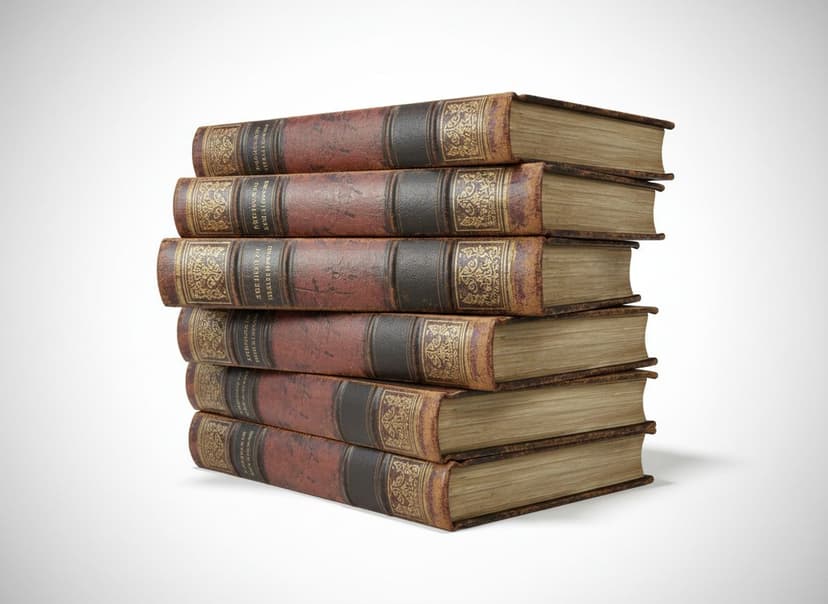
First edition collecting turns on two facts that surprise most people. The first is that a first edition is not the same as a first printing, and it is the first printing that collectors want. Publishers use different conventions to indicate printing, including a number line running from one, the words First Edition on the copyright page, and various publisher-specific codes, and identifying a true first requires knowing the convention that publisher used in that year. The second surprising fact is that for twentieth-century books, the dust jacket typically accounts for eighty to ninety percent of the value. A first printing of The Great Gatsby without its jacket brings a few thousand dollars; with the original jacket it reaches six figures. Beyond edition and jacket, value depends on the title's significance, condition, and whether the copy is signed. Book club editions, which look nearly identical to trade editions, are worth almost nothing and are a common trap.
First printing status is the gateway, and identifying it correctly requires publisher-specific knowledge. Dust jacket presence and condition dominate value for twentieth-century books, typically representing eighty to ninety percent of the total, and jacket condition is graded separately from the book. Title significance drives the ceiling, since collecting follows literary and cultural importance. Signature and inscription add value, with a plain signature generally worth more for resale than a personalized inscription unless the recipient is notable. Condition is graded strictly, covering the binding, hinges, page toning, foxing, and any damp staining. Ex-library copies with stamps, pockets, and spine labels are heavily discounted and often unsellable to collectors. Book club editions are a common trap, identifiable by the absence of a price on the jacket and a blind-stamped dot or square on the rear board. Provenance and association copies add substantially at the top.
Buying & Selling Tips
Buying
Learn the publisher's first printing convention for the year in question. It varies by publisher and era and is the whole question.
Check the dust jacket for a price. Book club editions have no price printed on the jacket flap.
Look for a blind stamp on the rear board, a small indented dot or square. It indicates a book club edition.
Buy the jacket, not just the book. For modern firsts the jacket is most of the value and its condition matters enormously.
Avoid ex-library copies unless the book is extremely rare. Stamps and pockets eliminate most collector value.
Selling
Verify first printing status before listing. Misidentifying an edition is the most common error and undermines buyer trust.
Photograph the copyright page, the title page, the jacket front and spine, and the rear board.
Describe jacket condition separately from the book. Collectors expect two grades and vague descriptions cost sales.
Use a protective mylar jacket cover and ship in a box, not an envelope. Jacket damage in transit is common.
Sell significant books through a specialist rare book dealer or auction. General marketplaces undervalue firsts.
First Edition Books FAQ
How do I know if a book is a first edition?
Check the copyright page for a number line, which should include the number one for a first printing, and for the words First Edition. Conventions vary by publisher and era, so identifying a true first requires publisher-specific reference material.
Why is the dust jacket so important?
For twentieth-century books the jacket typically represents eighty to ninety percent of the value, because jackets were routinely discarded. A first printing Great Gatsby without its jacket brings a few thousand dollars, and with it, six figures.
What is a book club edition?
It is a cheaper reprint produced for mail-order book clubs. They are identified by the absence of a price on the jacket flap and a blind-stamped dot or square on the rear board, and they are worth $2 to $15 regardless of title.
Does a signature increase a book's value?
Yes, typically by fifty to three hundred percent for a plain signature. A personalized inscription to an unrelated person adds less, though inscriptions to notable recipients can add a great deal.
Are ex-library books worth anything?
Very little to collectors. Stamps, card pockets, spine labels, and plastic jacket covers all reduce value to twenty to forty percent of a clean copy, and for common titles they are effectively unsellable.
Related Price Guides
Got First Edition Books to Value?
Upload a photo and get a free AI-powered valuation in seconds. No sign-up required.