Last updated: September 2026
How Much Are Rare Books Worth?
Check current market values, learn what affects pricing, and get tips for buying and selling.
← All Books valuationsWhat do you want to value?
Get the free app for unlimited scans


Rare & Antique Books Price Guide
Current market values based on recent sales data and market trends.
| Item | Condition | Price Range |
|---|---|---|
| The Great Gatsby, 1st/1st with DJ (1925) | VG/VG DJ | $200,000 - $400,000 |
| Harry Potter and the Philosopher's Stone, 1st/1st (1997) | Fine | $50,000 - $80,000 |
| To Kill a Mockingbird, 1st/1st with DJ (1960) | VG/VG DJ | $25,000 - $40,000 |
| The Catcher in the Rye, 1st/1st with DJ (1951) | VG/VG DJ | $15,000 - $30,000 |
| On the Road, 1st/1st with DJ (1957) | VG/VG DJ | $10,000 - $20,000 |
| 1984 by George Orwell, 1st UK/1st (1949) | VG/Good DJ | $15,000 - $30,000 |
| Signed Modern First (Notable Author) | Fine/Fine DJ | $100 - $1,000 |
| Book Club Edition (Any Title) | Any | $1 - $10 |
| Common Old Book (Pre-1900) | Good | $5 - $50 |
| Fine Press / Limited Edition (Folio Society, etc.) | As New | $50 - $500 |
What Determines Rare & Antique Books Value
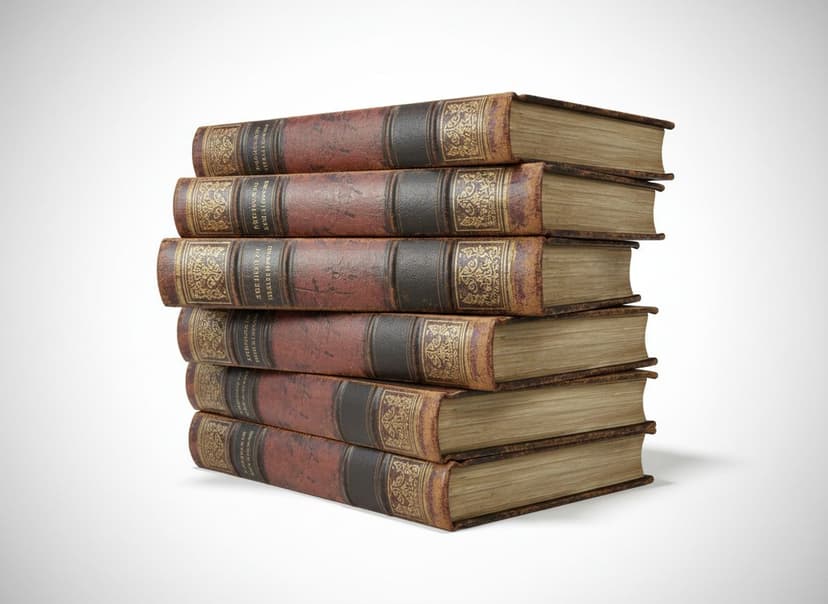
The rare book market spans from affordable first editions of 20th-century classics ($50-$200) to medieval manuscripts worth millions. A Gutenberg Bible. The first major book printed with movable type in the 1450s. Is valued at $25-$35 million, while a first edition of The Great Gatsby in its original dust jacket can fetch $200,000-$400,000. The key factors are edition (first edition, first printing is paramount), condition (including the dust jacket for modern books), significance of the work, and provenance. The dust jacket is often worth more than the book itself for 20th-century first editions. A first edition Gatsby without the jacket is $5,000-$8,000, but with a fine jacket it is $200,000+. Understanding how to identify true first editions versus book club editions and later printings is the most critical skill in book collecting.
Rare book values depend on edition and printing (first edition, first printing is the gold standard. Identified by publisher-specific number lines, colophons, and bibliographic points), dust jacket condition and presence (for 20th-century books, the DJ can represent 80%+ of the total value), the significance of the work in literary history, author signature or inscription (authenticated signatures add 50-500% depending on the author), physical condition (binding, pages, foxing, ex-library markings), provenance (famous previous owners add value), and scarcity (print run size, survival rate). A book does not need to be old to be valuable. A 1997 Harry Potter first edition is worth more than most books from the 1800s.
Buying & Selling Tips
Buying
Learn each publisher's first edition identification method.Scribner's uses an 'A' on the copyright page, Random House uses a number line with '1' present, etc. The Pocket Guide to Identification of First Editions is essential reading.
Always buy the best condition you can afford. Condition is paramount, and the price difference between Good and Fine can be 5-10x.
Beware of book club editions (BCE). They look similar to trade first editions but are worth $1-$10. BCEs are usually smaller, lack price on DJ flap, and have a blind stamp or number on the back board.
Buy from members of the ABAA (Antiquarian Booksellers' Association of America) for guaranteed authenticity and accurate descriptions.
For dust jackets, examine for price-clipping (the price cut from the flap corner), fading, tears, and chips. These significantly impact value.
Selling
Identify your edition precisely using bibliographic resources like the first edition identification guides before pricing.
Never repair or restore a book without consulting an expert. Amateur repairs reduce value. Professional conservation is different from amateur tape and glue.
Sell through established rare book dealers (ABAA members) or auction houses (Heritage, Christie's, Sotheby's) for high-value items.
For modest first editions ($50-$500), sell on AbeBooks, eBay, or Biblio with detailed photos of the title page, copyright page, and dust jacket.
Describe condition accurately using standard antiquarian terms (Fine, Near Fine, Very Good, Good, Fair, Poor). Overgrading leads to returns and reputation damage.
Rare & Antique Books FAQ
How do I know if my book is a first edition?
Each publisher uses different methods to identify first editions. Look at the copyright page for: a number line (if '1' is present, it is likely a first printing), the words 'First Edition' or 'First Printing,' or publisher-specific codes. For older books, compare bibliographic points (typos, binding variants) listed in reference guides. A first edition without a first printing is worth less. Book club editions are NOT first editions regardless of what the copyright page says.
Does an old book automatically have value?
No. Age alone does not make a book valuable. A common Bible from 1850 might be worth $10-$20, while a Harry Potter first edition from 1997 is worth $50,000+. Value depends on significance, scarcity, demand, and condition. Most old books (pre-1900) were printed in large quantities and are worth $5-$50 unless they are historically significant, beautifully illustrated, or in exceptional condition.
Why is the dust jacket so important?
For 20th-century first editions, the dust jacket can represent 80-90% of the book's total value. Dust jackets were considered disposable wrapping. Most were discarded, making surviving examples rare. A first edition Great Gatsby without its DJ is worth $5,000-$8,000, but with a fine DJ it is $200,000-$400,000. For books published before ~1920, DJs are extremely rare and add enormous premiums when present.
Are signed books worth more?
Generally yes, but it depends on the author and type of signature. An authentic signature from a deceased or reclusive author (Salinger, Pynchon, McCarthy) adds enormous value. A signature from an author who signed thousands of books at events adds a modest premium (20-50%). Inscriptions to specific people ('To John, Best Wishes') are worth less than a clean signature unless the recipient is famous. Always verify signature authenticity. Forgeries are common.
Related Price Guides
Got Rare & Antique Books to Value?
Upload a photo and get a free AI-powered valuation in seconds. No sign-up required.