Last updated: September 2026
How Much Is My Gold IRA Worth?
A gold IRA is a self-directed individual retirement account that holds physical gold, silver, platinum, or palladium instead of traditional paper assets. Our gold IRA calculator helps you estimate your precious metals IRA value based on your current balance, monthly contributions, gold allocation percentage, and years until retirement. Gold has served as a store of value for thousands of years and has averaged approximately 7-8% annual returns over the past 20 years. Understanding your gold retirement account's current worth and projected growth helps you make informed decisions about asset allocation, contribution levels, and whether a gold IRA investment fits your overall retirement strategy.
Get the free app for unlimited scans


Gold IRA Value Value Calculator
Fill in the details below for an accurate estimate
Why Knowing Your Gold IRA Value Value Matters
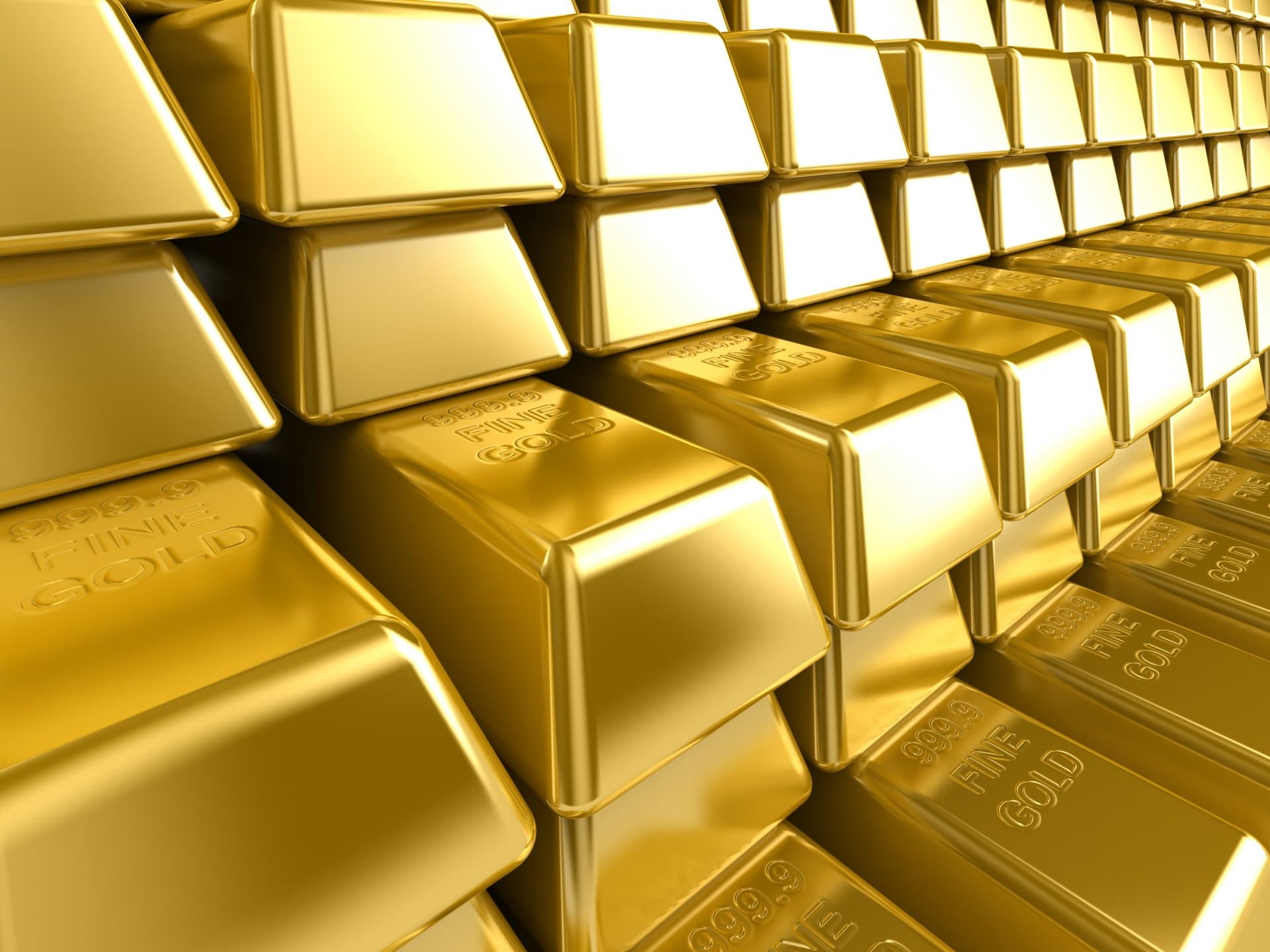
Gold has historically performed well during periods of inflation, currency devaluation, and market uncertainty — the exact scenarios that threaten traditional retirement portfolios. In 2020-2024, gold prices surged from $1,500 to over $2,400 per ounce, delivering returns that outpaced many stock portfolios during volatile periods. A $50,000 gold IRA that grew at the actual gold price appreciation over the past 5 years would be worth approximately $80,000-$90,000 today. However, gold IRAs come with higher fees than traditional IRAs — custodian fees of $150-$300 per year, storage fees of $100-$200 per year, and dealer markups of 3-10% on purchases. Understanding these costs and how they affect your gold IRA returns is essential for determining whether precious metals deserve a place in your retirement portfolio. Financial advisors typically recommend allocating 5-15% of your retirement portfolio to gold and precious metals as a hedge, not a primary growth strategy.
Key Factors That Affect Gold IRA Value Value
Understanding what drives the price of gold ira value helps you get the most accurate valuation.
Gold Price Movements
Gold prices fluctuate daily based on global economic conditions, inflation expectations, central bank policies, and currency values. Gold averaged $1,800-$2,400 per ounce in 2023-2025 and has historically returned 7-8% annually over 20-year periods. However, gold can also decline — it fell 28% from 2011 to 2015. Your IRA value is directly tied to these price movements, making timing and long-term perspective important.
Contribution Level & Consistency
Regular contributions amplify the power of dollar-cost averaging. The 2026 IRA contribution limit is $7,000 ($8,000 if over 50). Contributing $500-$600 per month consistently over 20 years at 7% average returns grows to approximately $260,000 from about $144,000 in contributions. Consistent investing smooths out gold price volatility and reduces the risk of buying at peaks.
Gold Allocation Percentage
Most financial advisors recommend 5-15% of your retirement portfolio in gold and precious metals. A 100% gold IRA carries significant concentration risk — gold can underperform stocks for extended periods (gold was flat from 2013-2019 while stocks doubled). Diversifying within your gold IRA by including silver, platinum, and palladium can improve risk-adjusted returns.
Fees & Custodian Costs
Gold IRAs have higher fees than traditional IRAs. Annual custodian fees range from $150-$300, storage fees (required by IRS regulations) cost $100-$200 per year, and dealer markups on gold purchases average 3-10% above spot price. On a $50,000 gold IRA, total annual fees of $300-$500 represent a 0.6-1.0% drag on returns. Over 20 years, this can reduce your ending balance by 10-15% compared to a no-fee scenario.
Time Horizon to Retirement
Gold's volatility makes time horizon critical. Over 1-3 year periods, gold can gain or lose 20-30%. Over 10-20 year periods, gold has historically preserved purchasing power and delivered positive real returns. The longer your time horizon, the more likely a gold IRA will deliver its intended benefits as an inflation hedge and portfolio diversifier. Starting contributions early maximizes compound growth.
Tips for Valuing Gold IRA Value
Get the most accurate estimate by following these tips when evaluating your gold ira value.
Enter your current gold IRA balance as shown on your most recent custodian statement
Include your planned monthly contribution amount — even small regular additions compound significantly over time
Be realistic about your gold allocation — most advisors recommend 5-15% of your total retirement portfolio in precious metals
Factor in your current age and years until retirement to see how time horizon affects projected growth
Gold IRA Value Market Insights
Gold prices in 2026 remain elevated following several years of strong performance driven by inflation concerns, geopolitical tensions, and central bank gold purchases. Central banks globally have been net buyers of gold, adding over 1,000 tonnes annually — the highest levels in decades. The gold IRA industry has grown significantly, with an estimated $30-$50 billion in precious metals held in self-directed IRAs. Competition among custodians (Augusta Precious Metals, Goldco, Birch Gold Group) has reduced some fees but the industry still carries higher costs than traditional retirement accounts. The IRS continues to require gold IRA assets be stored in approved depositories, adding unavoidable storage costs. Despite these fees, investor interest remains strong as a hedge against monetary policy uncertainty.
Notable Gold IRA Value Values
Real-world examples of what specific gold ira value have sold for, so you can benchmark your own.
| Gold IRA Value | Condition | Typical Value |
|---|---|---|
| 1 oz American Gold Eagle Coin (IRA-eligible) | Uncirculated | $2,400 - $2,700 |
| 1 oz Canadian Gold Maple Leaf (IRA-eligible) | Uncirculated | $2,380 - $2,650 |
| 1 oz Gold American Buffalo Coin | Uncirculated | $2,450 - $2,750 |
| 1 oz PAMP Suisse Gold Bar | Sealed/Assayed | $2,420 - $2,720 |
| 10 oz Gold Bar (various refiners) | Sealed/Assayed | $23,500 - $27,000 |
| 1/2 oz American Gold Eagle Coin | Uncirculated | $1,250 - $1,450 |
| 1/4 oz American Gold Eagle Coin | Uncirculated | $650 - $750 |
| 100 oz Gold Bar (major refiner, e.g. Valcambi) | Sealed/Assayed | $235,000 - $270,000+ |
| 1 oz South African Krugerrand | Uncirculated | $2,370 - $2,650 |
Based on live gold spot price (~$2,330/oz as of mid-2025), typical dealer premiums from APMEX/JM Bullion/Kitco, and IRS Publication 590-A IRA eligibility guidelines.
Find Out What Your Gold IRA Value Are Worth
Upload a photo now and get a free AI-powered valuation in seconds. No sign-up required.
Gold IRA Value Valuation FAQ
How much is my gold IRA worth right now?
Your gold IRA value depends on the current spot price of gold multiplied by the number of ounces you hold, plus the value of any silver, platinum, or palladium holdings. Most custodians provide quarterly or monthly statements showing your current market value. If you know your gold holdings in ounces, multiply by the current spot price (check any financial news site) for a real-time estimate. Our gold IRA calculator also projects future value based on historical return rates.
What are the average returns on a gold IRA?
Gold has averaged approximately 7-8% annual returns over the past 20 years, though with significant volatility. Some years gold gains 20-30% (2020: +25%, 2023: +13%), while others it declines (2013: -28%, 2015: -10%). Gold IRA returns are reduced by custodian fees, storage fees, and dealer markups, which total 0.5-1.5% per year depending on your account size and provider. Over long periods (15-20+ years), gold has historically preserved purchasing power and outpaced inflation.
Is a gold IRA a good investment for retirement?
A gold IRA can be a valuable component of a diversified retirement strategy, but it should not be your only retirement investment. Most financial advisors recommend allocating 5-15% of your retirement portfolio to gold and precious metals as a hedge against inflation and market downturns. Gold does not produce income (no dividends or interest), so it relies entirely on price appreciation. The higher fees of gold IRAs (custodian, storage, dealer markups) compared to traditional IRAs mean gold needs to perform well just to match lower-cost alternatives. Consider a gold IRA as insurance for your portfolio, not the foundation.
What are the fees for a gold IRA?
Gold IRA fees are higher than traditional IRAs and typically include: setup fees ($50-$150 one-time), annual custodian fees ($150-$300), storage and insurance fees ($100-$200 per year), and dealer markups on gold purchases (3-10% above spot price). Some companies waive first-year fees for larger initial investments ($25,000+). On a $50,000 gold IRA, expect total annual costs of $300-$500. Compare providers carefully — fee differences of $100-$200 per year compound to thousands over a 20-year retirement horizon.
Can I roll my existing 401(k) or IRA into a gold IRA?
Yes, you can roll over funds from a 401(k), traditional IRA, Roth IRA, 403(b), TSP, or other qualified retirement account into a gold IRA without tax penalties, as long as you follow IRS rules. The most common approach is a direct trustee-to-trustee transfer, which avoids the 60-day rollover window and eliminates risk of tax penalties. You must use an IRS-approved custodian and depository. The process typically takes 2-4 weeks. Rolling over your entire retirement balance into gold is generally not advisable — consider transferring only the portion you want allocated to precious metals.
Similar Valuations
Value anything, anytime
Unlimited valuations, saved history and full reports in the free app.