Last updated: September 2026
How Much Is My Bitcoin Worth?
Whether you hold a fraction of a Bitcoin or multiple whole coins, our calculator converts your BTC holdings into current USD value based on real-time market data. Bitcoin's price changes 24/7 across global exchanges, and our tool helps you stay on top of exactly what your investment is worth at any given moment.
Get the free app for unlimited scans


Bitcoin Value Calculator
Fill in the details below for an accurate estimate
Why Knowing Your Bitcoin Value Matters
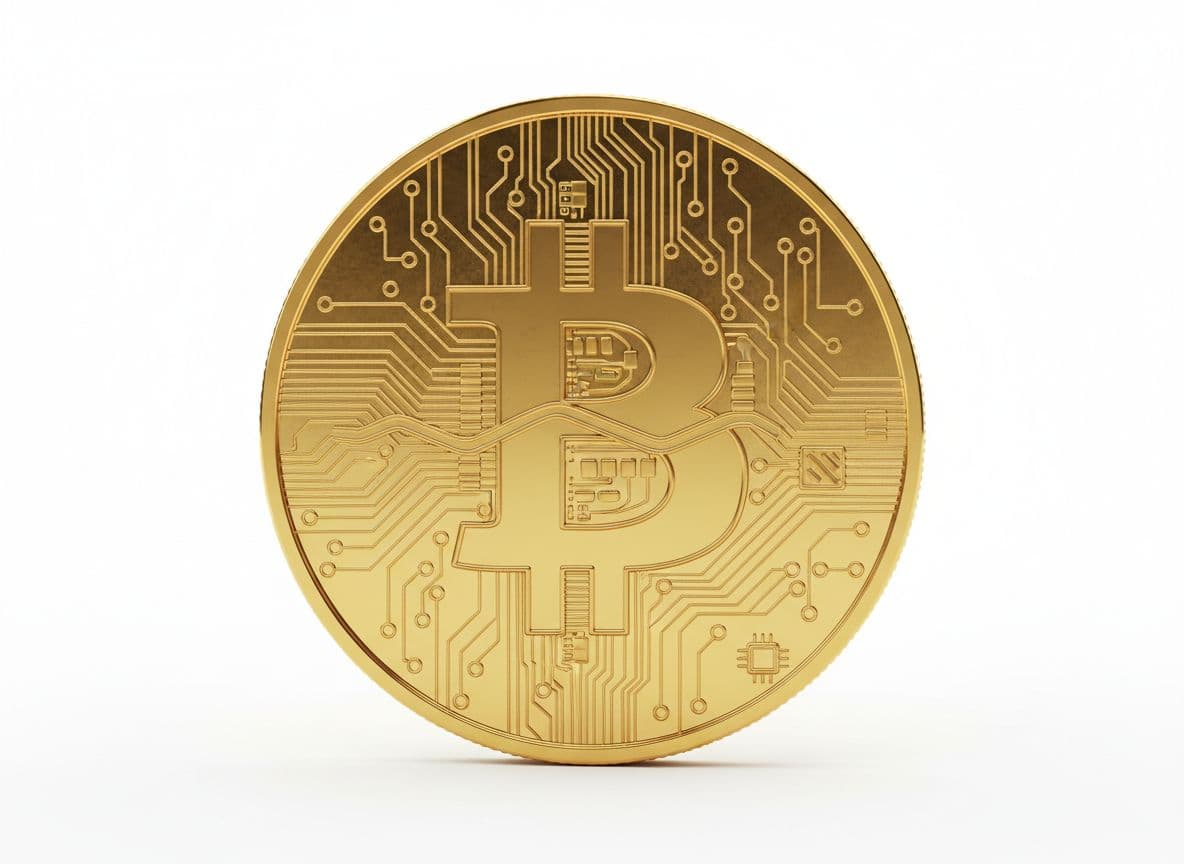
Bitcoin is the world's most valuable cryptocurrency, with a single coin having traded anywhere from under $1 in 2010 to over $100,000 in recent years. Even small fractions of Bitcoin (measured in satoshis) can represent significant value. Many early adopters bought Bitcoin for pennies and forgot about it. Some of those wallets are now worth millions. Whether you're an active trader, a long-term holder, or someone who received Bitcoin as a gift years ago, knowing the exact dollar value of your holdings is critical for tax reporting, portfolio balancing, and deciding when to buy or sell. The IRS treats Bitcoin as property, so every transaction is a taxable event. Having accurate valuations is not optional, it's a legal necessity.
Key Factors That Affect Bitcoin Value
Understanding what drives the price of bitcoin helps you get the most accurate valuation.
Market Supply & Demand
Bitcoin has a fixed supply cap of 21 million coins, with roughly 19.5 million already mined. As demand increases against this finite supply, price rises. Halvings. Which cut the mining reward in half every ~4 years. Reduce new supply and historically precede major bull runs.
Institutional Adoption
The approval of spot Bitcoin ETFs in 2024 opened the floodgates for institutional money.companies like MicroStrategy, Tesla, and major hedge funds holding Bitcoin on their balance sheets significantly impacts demand and price stability.
Macroeconomic Conditions
Bitcoin often moves inversely to interest rates and the strength of the US dollar. During periods of high inflation or monetary expansion, Bitcoin attracts buyers seeking a store of value. Federal Reserve policy decisions can cause price swings of 5-15% in a single day.
Regulatory Environment
Government regulations around the world directly impact Bitcoin's price. Favorable regulations (like El Salvador adopting Bitcoin as legal tender) boost prices, while crackdowns (like China's mining ban) can cause sharp drops. US SEC decisions on crypto regulation remain highly influential.
Network Security & Hash Rate
Bitcoin's hash rate. The total computational power securing the network. Has reached all-time highs, making the network more secure than ever. A higher hash rate generally signals miner confidence and network health, which supports price stability and growth.
Tips for Valuing Bitcoin
Get the most accurate estimate by following these tips when evaluating your bitcoin.
Enter your exact BTC amount including decimals for a precise valuation. Even 0.001 BTC matters
Check your exchange or wallet balance carefully, as small rounding differences can add up
Remember to account for all wallets and exchanges where you may hold Bitcoin
Consider using the calculator regularly to track your portfolio value over time for tax purposes
Bitcoin Market Insights
Bitcoin has matured from a niche experiment to a mainstream financial asset. The launch of spot Bitcoin ETFs from BlackRock, Fidelity, and other major asset managers brought billions in new capital. Bitcoin's correlation with traditional markets has fluctuated. Sometimes acting as a risk-on asset like tech stocks, other times behaving more like digital gold. The most recent halving reduced the block reward, historically a catalyst for 12-18 month bull cycles. Lightning Network adoption continues to improve Bitcoin's utility for everyday payments, while layer-2 solutions are expanding its functionality. For holders, dollar-cost averaging remains the most popular accumulation strategy, and cold storage wallets are recommended for long-term holdings over $1,000.
Notable Bitcoin Values
Real-world examples of what specific bitcoin have sold for, so you can benchmark your own.
| Bitcoin | Condition | Typical Value |
|---|---|---|
| 0.001 BTC (1 millibitcoin) | Digital Holding | $95 - $110 |
| 0.01 BTC | Digital Holding | $950 - $1,100 |
| 0.1 BTC | Digital Holding | $9,500 - $11,000 |
| 0.5 BTC | Digital Holding | $47,000 - $55,000 |
| 1 BTC (1 full Bitcoin) | Digital Holding | $95,000 - $110,000 |
| Casascius 1 BTC Physical Coin (loaded) | Authenticated, Hologram Intact | $150,000 - $300,000+ |
| 5 BTC | Digital Holding | $475,000 - $550,000 |
| Lealana 0.1 BTC Brass Physical Coin (loaded) | Authenticated, Sealed | $15,000 - $40,000+ |
| 21 BTC (meme amount) | Digital Holding | $1,995,000 - $2,310,000+ |
Based on spot BTC price data (~$95,000-$110,000 range), eBay sold listings for physical coins, and widely reported exchange rates.
Find Out What Your Bitcoin Are Worth
Upload a photo now and get a free AI-powered valuation in seconds. No sign-up required.
Bitcoin Valuation FAQ
How is the price of Bitcoin determined?
Bitcoin's price is determined by supply and demand across hundreds of global cryptocurrency exchanges. There is no single 'official' price. Instead, aggregators like CoinMarketCap and CoinGecko average prices across major exchanges. Prices can vary slightly between exchanges (called arbitrage), but high-volume markets like Coinbase, Binance, and Kraken generally set the benchmark price.
Is 0.01 Bitcoin worth anything?
Absolutely. At Bitcoin prices above $50,000, even 0.01 BTC is worth over $500. Bitcoin is divisible to 8 decimal places (the smallest unit, 0.00000001 BTC, is called a satoshi). Many investors accumulate Bitcoin in small amounts over time through dollar-cost averaging, and even fractional holdings can grow into significant sums.
Should I sell my Bitcoin now or hold it?
This depends on your financial goals, tax situation, and risk tolerance. Historically, long-term holders (5+ years) have been rewarded as Bitcoin's price has trended upward over each 4-year cycle. However, Bitcoin can drop 50-80% in bear markets. A common strategy is to take partial profits at highs while keeping a core position. Never invest more than you can afford to lose.
How do I report Bitcoin on my taxes?
In the US, Bitcoin is treated as property by the IRS. You must report capital gains or losses whenever you sell, trade, or spend Bitcoin. Short-term gains (held less than 1 year) are taxed as ordinary income, while long-term gains (held over 1 year) receive preferential rates of 0%, 15%, or 20% depending on your income. Use our calculator to determine your current holdings value for accurate record-keeping.
What's the best way to store Bitcoin safely?
For significant holdings ($1,000+), a hardware wallet like Ledger or Trezor provides the best security by keeping your private keys offline. For smaller amounts, reputable exchanges like Coinbase offer insured custodial storage. Never share your seed phrase with anyone, enable 2FA on all accounts, and consider using a multi-signature setup for large holdings.
Similar Valuations
Value anything, anytime
Unlimited valuations, saved history and full reports in the free app.