Last updated: September 2026
How Much Should I Spend on Groceries?
Americans spend an average of $475/month per person on food, but your grocery budget should depend on household size, dietary preferences, and where you live. Enter your details for a personalized grocery budget recommendation based on USDA guidelines.
Get the free app for unlimited scans


Grocery Budget Value Calculator
Fill in the details below for an accurate estimate
Why Knowing Your Grocery Budget Value Matters
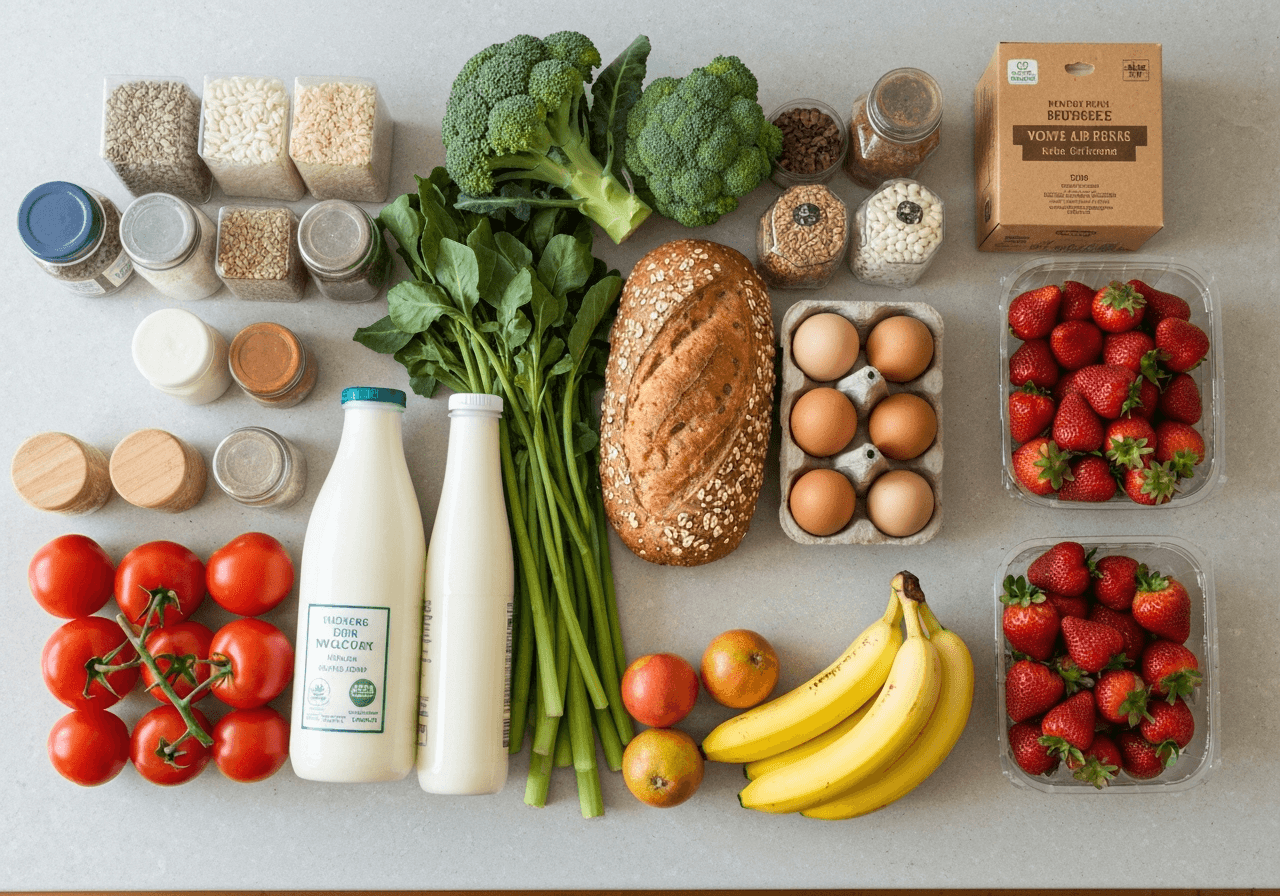
Food is the third-largest household expense after housing and transportation. The USDA publishes four food plan levels: Thrifty ($300/month for a family of 4), Low-Cost ($400/month), Moderate ($500/month), and Liberal ($650/month). Most families can save 20-30% on groceries with meal planning and strategic shopping without sacrificing nutrition. Understanding your recommended budget range helps you set realistic goals and identify where you might be overspending.
Key Factors That Affect Grocery Budget Value
Understanding what drives the price of grocery budget helps you get the most accurate valuation.
Household Size
Single person: $250-$450/month. Couple: $450-$750/month. Family of 4: $700-$1,200/month. Each additional person adds roughly $150-$300/month. Larger households benefit from economies of scale (bulk buying, fewer per-person cooking costs).
Diet Type
Standard American diet: baseline. Vegetarian: 10-15% less. Vegan: 5-10% less. Keto/Paleo: 15-30% more (meat-heavy).organic-focused: 30-50% more. Gluten-free specialty: 15-25% more.
Location
Cost of groceries varies 20-40% by region. Hawaii and Alaska: 25-40% above national average. Northeast and West Coast: 10-20% above. South and Midwest: 5-15% below. Urban areas are 10-15% higher than rural areas.
Dining Out vs. Cooking
The USDA budget assumes most meals are home-cooked. Replacing 3 home meals/week with restaurant meals adds $150-$400/month. Meal delivery kits (HelloFresh, etc.) cost $8-$12 per serving vs. $3-$5 for home-cooked.
Children's Ages
Toddlers (2-3): $100-$150/month. Children (4-8): $130-$200/month. Tweens (9-12): $150-$250/month. Teenagers (13-18): $200-$350/month. Teenage boys are typically the most expensive family members to feed.
Tips for Valuing Grocery Budget
Get the most accurate estimate by following these tips when evaluating your grocery budget.
Enter the number of people in your household and their ages
Specify any dietary restrictions or preferences
Include your city or state for regional price adjustment
Note how often you eat out or order delivery per week
Grocery Budget Market Insights
Grocery prices have increased 25-30% since 2020 due to inflation, supply chain disruptions, and higher labor costs. Store brand (private label) products offer 20-30% savings over name brands with comparable quality. Discount grocers like Aldi, Lidl, and WinCo offer 15-30% lower prices than traditional supermarkets. Meal planning reduces food waste (the average family wastes $1,500/year in food) and is the single most effective budgeting strategy.
Find Out What Your Grocery Budget Are Worth
Upload a photo now and get a free AI-powered valuation in seconds. No sign-up required.
Grocery Budget Valuation FAQ
How much should a single person spend on groceries?
The USDA recommends $250-$350/month for a single adult on a thrifty-to-moderate plan. Most single adults spend $300-$450/month in practice. In expensive cities (NYC, SF), $400-$600 is realistic.
How much do groceries cost for a family of 4?
USDA guidelines recommend $700-$1,100/month for a family of four (two adults, two children). The Thrifty Plan (used for SNAP benefits): ~$700/month. The Moderate Plan: ~$1,000/month. Most families spend $800-$1,200.
How can I reduce my grocery bill?
Top strategies: meal plan weekly (saves 20-30%), buy store brands (saves 20-30%), shop at discount grocers (Aldi, Lidl), buy seasonal produce, use cashback apps (Ibotta, Fetch), cook in batches, reduce food waste, and limit convenience/pre-packaged foods.
What percentage of income should go to food?
Financial advisors recommend 10-15% of take-home pay for groceries. At a $60,000 salary (after tax), that's $375-$560/month. If you're spending more than 15%, look for ways to optimize without sacrificing nutrition.
Similar Valuations
Value anything, anytime
Unlimited valuations, saved history and full reports in the free app.