Last updated: September 2026
How Much Is My Bourbon or Whiskey Worth?
Whether you have a dusty bottle from a closed distillery, an allocated bourbon from a lucky store find, or a vintage single malt scotch, our AI identifies the brand, expression, vintage, and condition to provide an accurate secondary market valuation. From American bourbon and rye to Japanese whisky and single malt scotch, get your bottle valued in seconds without visiting a specialist.
Get the free app for unlimited scans


What do you want to value?
Why Knowing Your Bourbon & Whiskey Value Matters
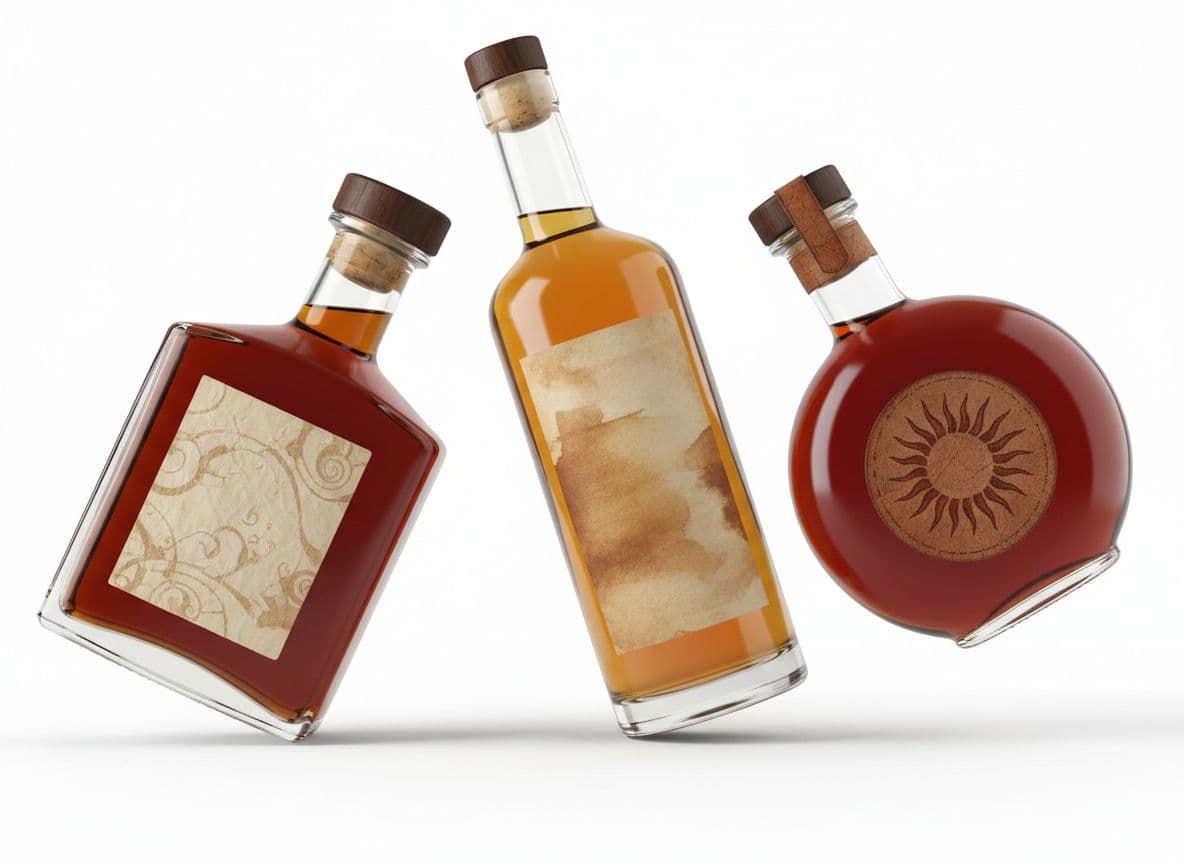
The secondary market for whiskey has exploded over the past decade, turning certain bottles into liquid gold. A bottle of Pappy Van Winkle 23 Year that retails for $300 regularly sells for $3,000-$5,000 on the secondary market. Allocated bourbons like Buffalo Trace Antique Collection, George T. Stagg, and William Larue Weller can sell for 5-20x their retail price. Vintage scotch from closed distilleries like Port Ellen and Brora has seen values increase 500-1,000% in the past 15 years. Even 'dusty hunting'. finding discontinued bottles on old liquor store shelves. Has become a profitable hobby, with pre-fire Heaven Hill bottles and old Wild Turkey 101 selling for $100-$1,000+. Many people inherit whiskey collections without understanding their value, and estate sales frequently price rare bottles at retail or below. Knowing what your bottles are worth ensures you don't leave hundreds or thousands of dollars on the table.
Key Factors That Affect Bourbon & Whiskey Value
Understanding what drives the price of bourbon & whiskey helps you get the most accurate valuation.
Brand & Expression
Brand recognition drives the whiskey secondary market. Pappy Van Winkle, Buffalo Trace Antique Collection (BTAC), Four Roses Limited Edition, Michter's 20-25 Year, and Parker's Heritage are among the most valuable American whiskeys. For scotch, Macallan, Springbank, Yamazaki, and bottles from closed distilleries (Port Ellen, Brora, Rosebank) command the highest premiums. Within each brand, specific expressions and age statements significantly affect value.
Age Statement
Generally, older whiskey commands higher prices, but the relationship isn't always linear. A Macallan 18 might sell for $250-$400, while a Macallan 25 fetches $1,500-$3,000, and a Macallan 30 commands $4,000-$8,000. For bourbon, age statements of 10+ years are increasingly rare and valuable. However, some highly allocated younger whiskeys (like Blanton's at 6-8 years) can outsell much older bottles due to brand hype and scarcity.
Vintage & Bottling Date
When the whiskey was distilled and bottled matters enormously. A bottle of Wild Turkey 101 from the 1980s can be worth $200-$800, while the same product today costs $25. Pre-fire Heaven Hill bourbon (before the 1996 warehouse fire) and pre-Diageo era Lagavulin are examples of how a distillery's history creates secondary market premiums. The label design and proof can help identify exact bottling periods.
Fill Level & Condition
The fill level of the bottle (how much whiskey remains vs. evaporation) directly affects value. Low fills reduce value by 10-40%. The condition of the label, tax strip (if present), and closure also matter. Intact tax stamps from pre-1985 bottles add authenticity and value. Bottles should have no signs of leaking, and the cork or cap should be intact. Presentation boxes and tubes add 5-15% to resale value.
Limited Releases & Allocation
Limited edition releases and allocated bottles are the most valuable on the secondary market. Annual releases like BTAC, Pappy Van Winkle, Four Roses Limited Edition Small Batch, and Midwinter Night's Dram are produced in limited quantities and distributed by lottery or allocation. Single barrel store picks, cask strength releases, and distillery-exclusive bottlings also carry premiums. Production numbers and market demand determine how much above retail each bottle trades.
Tips for Valuing Bourbon & Whiskey
Get the most accurate valuation by following these tips when photographing your bourbon & whiskey.
Photograph the front label clearly showing the brand, expression, and age statement
Capture the back label, especially any bottling codes, dates, or proof information
Show the fill level of the bottle. Where the liquid reaches relative to the label
Include the tax strip, closure, and any box or tube the bottle came with
Bourbon & Whiskey Market Insights
The whiskey secondary market has matured significantly with dedicated platforms, Facebook groups, and auction houses facilitating sales. Unicorn Auctions, Whisky Auctioneer, and Sotheby's regularly host whiskey sales reaching millions of dollars. American bourbon has seen the strongest growth, with allocated bottles appreciating 20-50% annually in many cases. Japanese whisky (Yamazaki, Hibiki, Hakushu) experienced a massive surge and has since stabilized at elevated prices. Scotch whisky remains the global leader by auction value, with rare Macallans routinely setting records. The 'tater' phenomenon. Where casual collectors buy hype bottles purely for resale. Has inflated prices for certain brands while leaving excellent but less-hyped whiskeys at fair retail prices. If you have bottles from the 1970s-2000s, especially American whiskey, they may be worth significantly more than you think.
Notable Bourbon & Whiskey Values
Real-world examples of what specific bourbon & whiskey have sold for, so you can benchmark your own.
| Bourbon & Whiskey | Condition | Typical Value |
|---|---|---|
| Pappy Van Winkle's Family Reserve 23 Year | Sealed | $2,500 - $5,000+ |
| Buffalo Trace Antique Collection - William Larue Weller | Sealed | $500 - $1,500 |
| The Macallan 18 Year (Sherry Oak) | Sealed | $250 - $450 |
| Van Winkle Special Reserve 12 Year "Lot B" | Sealed | $200 - $500 |
| George T. Stagg (Buffalo Trace Antique Collection) | Sealed | $400 - $900 |
| Blanton's Single Barrel Bourbon | Sealed | $80 - $180 |
| Eagle Rare 17 Year (BTAC) | Sealed | $350 - $800 |
| Johnnie Walker Blue Label | Sealed | $150 - $250 |
| Standard 750ml Bourbon (e.g., Maker's Mark, Wild Turkey 101) | Sealed | $25 - $60 |
Based on recent eBay sold listings, Whisky Auctioneer auction records, and secondary market data from platforms such as Bourbon Market and Wine-Searcher.
Find Out What Your Bourbon & Whiskey Are Worth
Upload a photo now and get a free AI-powered valuation in seconds. No sign-up required.
Bourbon & Whiskey Valuation FAQ
Is it legal to sell whiskey bottles on the secondary market?
Laws vary by jurisdiction. In most U.S. states, selling spirits without a license is technically illegal, though enforcement varies. Many collectors use auction houses (Unicorn Auctions, Whisky Auctioneer) that operate in jurisdictions where secondary sales are legal. Some states allow person-to-person sales, and some frame transactions as selling the 'collectible bottle' rather than the contents. Always check your local laws. International auction houses based in the UK, where secondary sales are legal and regulated, are the safest avenue for high-value bottles.
How do I know if my old whiskey bottle is valuable?
Key indicators of value include: the brand (Pappy Van Winkle, BTAC, old Wild Turkey, Macallan, etc.), an age statement (especially 12+ years for bourbon, 18+ for scotch), a pre-2000 bottling date, a tax strip rather than a modern tamper seal, higher proof than current production, and a label design that differs from today's version. Bottles from closed distilleries (Stitzel-Weller, Michter's original Pennsylvania distillery) are almost always valuable. Even if you don't recognize the brand, dusty bottles from the 1970s-1990s often contain whiskey made differently than modern production and can carry significant premiums.
Does an open or partially consumed bottle have value?
Generally, opened bottles are worth significantly less. Typically 20-50% of a sealed bottle's value, if they sell at all. Most auction houses will not accept opened bottles. However, extremely rare bottles (such as pre-1960s bourbons or closed distillery scotch) may still have substantial value even when opened, as collectors and blenders may want the remaining liquid for tasting or reference. The key factors are how much liquid remains, whether the spirit has been properly stored (upright, away from light and heat), and how rare the bottle is. For common bottles, opening reduces value to essentially zero on the secondary market.
How should I store valuable whiskey bottles?
Store bottles upright (never on their side like wine. High-proof alcohol degrades corks), in a cool location (60-70°F), away from direct sunlight and temperature fluctuations. UV light can fade labels and potentially affect the spirit. If the bottle has a cork closure, some collectors recommend turning the bottle upside down briefly once a year to keep the cork moist, but this is debated. Keep original boxes, tubes, and any accompanying materials, as these add 5-15% to resale value. Avoid storing in attics (temperature swings) or basements (potential flooding). For high-value bottles ($1,000+), consider insurance riders on your homeowner's policy.
What are the most valuable whiskey bottles?
The most valuable whiskey bottles regularly sold include: Pappy Van Winkle 23 Year ($3,000-$5,000), George T. Stagg ($500-$1,500), William Larue Weller ($500-$1,200), Yamazaki 18 ($500-$1,000), Macallan 25 Sherry Oak ($1,500-$3,000), and Midwinter Night's Dram ($200-$400). At the ultra-high end, The Macallan 1926 60 Year Old holds the auction record at $2.7 million, and rare pre-Prohibition American whiskey can sell for $5,000-$50,000+. Vintage dusty bottles. Everyday brands from the 1970s-1990s. Can bring $100-$2,000 depending on brand, age, and proof.
Bourbon & Whiskey Price Guides
Value anything, anytime
Unlimited valuations, saved history and full reports in the free app.