Last updated: September 2026
How Much Is My Wine Worth?
From Grand Cru Burgundy and first-growth Bordeaux to Napa Valley cult Cabernets and rare vintage Champagne, our AI identifies your wine by label, producer, vintage, and region to provide current market valuations. Whether you inherited a wine cellar or found bottles during a move, discover their true market value instantly.
Get the free app for unlimited scans


What do you want to value?
Why Knowing Your Wine Value Matters
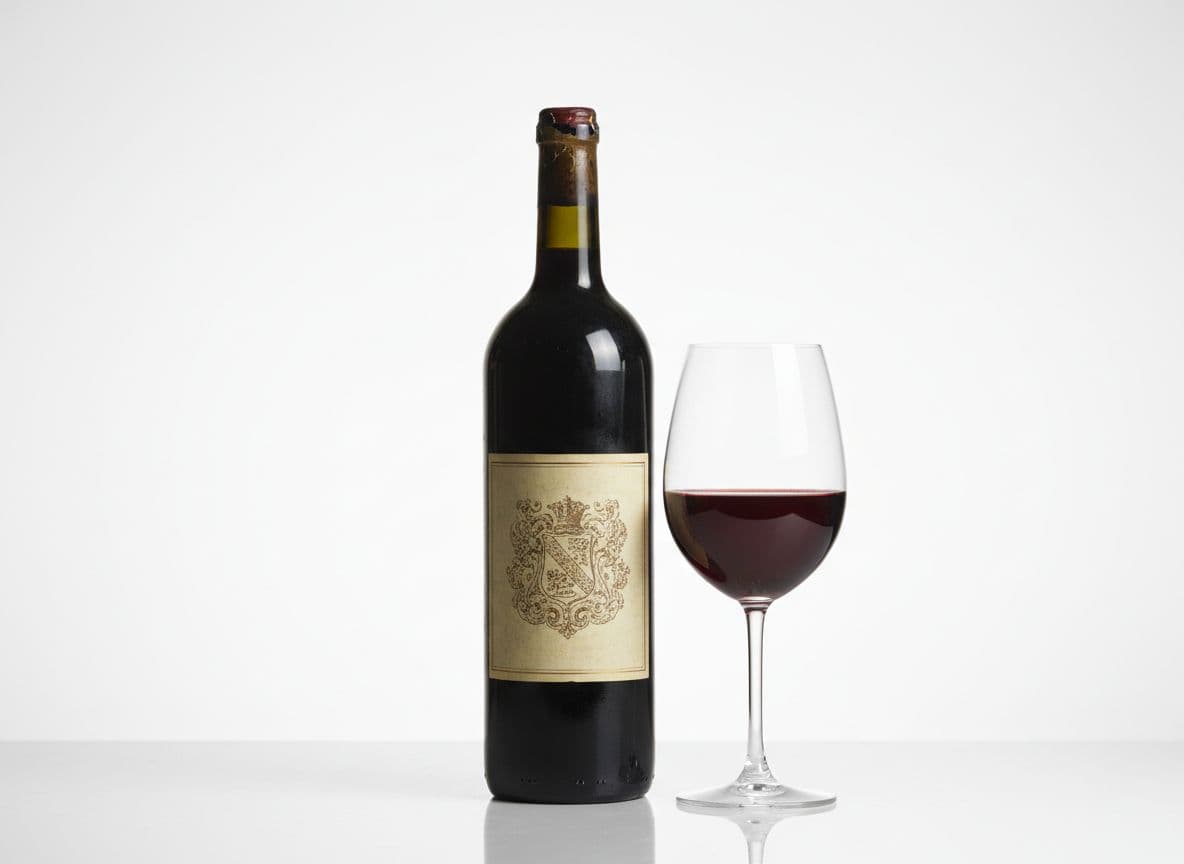
Fine wine is one of the alternative investment assets that has consistently outperformed traditional markets over the long term. A single bottle of 1945 Romanee-Conti sold for $558,000 in 2018. While most wine isn't worth six figures, bottles from notable producers and vintages frequently sell for $100-$10,000+. Many people have wine collections or inherited bottles without understanding their current market value. Wine values fluctuate based on vintage ratings, critic scores, producer reputation, and storage conditions. Proper valuation is essential before selling, insuring, or deciding whether to drink or cellar a bottle.
Key Factors That Affect Wine Value
Understanding what drives the price of wine helps you get the most accurate valuation.
Producer & Region
Wines from prestigious producers command the highest prices. Burgundy's Domaine de la Romanee-Conti, Bordeaux's first growths (Lafite, Mouton, Latour, Margaux, Haut-Brion), and Napa's cult wineries (Screaming Eagle, Harlan) lead the market. The specific vineyard, appellation, and classification system all affect value.
Vintage Year
The harvest year dramatically affects value. Great vintages in a given region can be worth 2-10x more than poor vintages from the same producer. For Bordeaux, vintages like 2000, 2005, 2009, 2010, and 2016 are highly valued. For Burgundy, 2005, 2010, 2015, and 2019 are standout years.
Storage & Provenance
Proper storage (consistent 55°F, 70% humidity, on the side) is critical. Wines stored in poor conditions lose value rapidly. Provenance (documented storage history) significantly affects value for expensive bottles. Direct-from-winery releases and wines from known professional cellars command premiums.
Bottle Condition
Fill level (ullage), label condition, capsule integrity, and cork condition all matter. A bottle with a low fill level suggests evaporation or leakage and significant value reduction. Damaged, stained, or missing labels reduce value by 20-50%. Original wooden cases (OWC) add 10-20% to value.
Format & Packaging
Large formats (magnums, jeroboams, imperials) are more valuable per unit than standard 750ml bottles because wine ages more slowly and gracefully. Original wooden cases, especially complete 6 or 12-bottle cases, command premiums. Individual bottles are worth less per unit than full cases.
Tips for Valuing Wine
Get the most accurate valuation by following these tips when photographing your wine.
Photograph the full label clearly, including the vintage year and producer name
Show the fill level of the wine by photographing the bottle against a light source
Include photos of the back label, capsule condition, and any case or box
If you have storage records or purchase receipts, mention them for provenance value
Wine Market Insights
The fine wine market has shown consistent long-term appreciation, with the Liv-ex Fine Wine 100 index outperforming many traditional investments. Burgundy has been the market's strongest performer over the past decade, driven by tiny production quantities and insatiable global demand. Bordeaux remains the bedrock of the wine investment market with greater liquidity. Italian wines (Barolo, Brunello, Super Tuscans) have gained investment credibility. Champagne, particularly prestige cuvees from Dom Perignon, Krug, and Salon, has seen strong appreciation. California cult wines maintain strong domestic demand. The rise of online wine auction platforms like WineBid, Acker Merrall, and Hart Davis Hart has made the market more accessible and transparent.
Notable Wine Values
Real-world examples of what specific wine have sold for, so you can benchmark your own.
| Wine | Condition | Typical Value |
|---|---|---|
| Domaine de la Romanée-Conti (DRC) Romanée-Conti Grand Cru | Sealed, recent vintage | $15,000 - $40,000+ |
| Screaming Eagle Cabernet Sauvignon, Napa Valley | Sealed, mailing-list release | $3,500 - $7,000+ |
| Château Pétrus, Pomerol (top vintages: 2000, 2005, 2009) | Sealed, single bottle | $3,000 - $8,000+ |
| Opus One, Napa Valley (current vintage) | Sealed | $200 - $400 |
| Château Margaux Premier Grand Cru Classé (recent vintage) | Sealed, single 750ml | $700 - $1,500 |
| Silver Oak Cabernet Sauvignon, Alexander Valley | Sealed | $60 - $100 |
| Dom Pérignon Vintage Champagne (standard release) | Sealed | $150 - $300 |
| Caymus Vineyards Special Selection Cabernet Sauvignon | Sealed | $100 - $180 |
| Trader Joe's Charles Shaw ("Two-Buck Chuck") | Sealed | $3 - $5 |
Based on auction records (Wine.com, Zachys, Hart Davis Hart), retailer pricing, and secondary market sales on platforms such as Wine-Searcher and WineBid.
Find Out What Your Wine Are Worth
Upload a photo now and get a free AI-powered valuation in seconds. No sign-up required.
Wine Valuation FAQ
Is old wine always valuable?
No. Most wine is meant to be consumed within a few years of release and does not improve with age. Only a small percentage of wines (typically under 5%) are designed for long-term aging. An old bottle of everyday wine is likely past its prime and has no collector value. Fine wines from prestigious producers and great vintages are the ones that appreciate in value.
Does how wine was stored affect its value?
Absolutely. Storage is perhaps the most important factor after the wine itself. Wine stored at proper cellar temperature (55°F/13°C) with consistent humidity retains its quality and value. Wine exposed to heat, temperature fluctuations, or light degrades rapidly. Buyers will pay significantly more for wine with documented professional storage. A $500 bottle stored in a hot garage may be worthless.
What wines are worth the most money?
The most valuable wines include Romanee-Conti ($5,000-$50,000+ per bottle), Petrus ($1,000-$10,000+), first-growth Bordeaux in great vintages ($500-$5,000+), and cult California wines like Screaming Eagle ($500-$5,000). Vintage Champagne from prestige houses and rare Barolo/Barbaresco also command strong prices. Even quality wines from these regions in good vintages can be worth $50-$300.
How do I sell valuable wine?
The best options are specialized wine auction houses (Acker Merrall, Hart Davis Hart, Sotheby's Wine), online platforms (WineBid, Vinfolio), or direct sale to wine retailers with buy-back programs. Many states have laws governing wine sales - you typically need to sell through a licensed entity. For collections worth $5,000+, auction houses provide the broadest market exposure and professional valuation.
Value anything, anytime
Unlimited valuations, saved history and full reports in the free app.