Last updated: September 2026
How Much Is My Wine Collection Worth?
Fine wine is one of the world's most fascinating alternative investments, with top bottles appreciating 10-15% annually over the past two decades. Our calculator evaluates your collection based on bottle count, regions, average age, storage conditions, and notable producers or vintages to provide a market-based valuation. Whether you've built a curated cellar over decades, inherited a collection from a parent or grandparent, or are considering selling bottles from your wine storage, understanding the current market value is essential for insurance, estate planning, divorce proceedings, or determining the best time to sell.
Get the free app for unlimited scans


Wine Collection Value Calculator
Fill in the details below for an accurate estimate
Why Knowing Your Wine Collection Value Matters
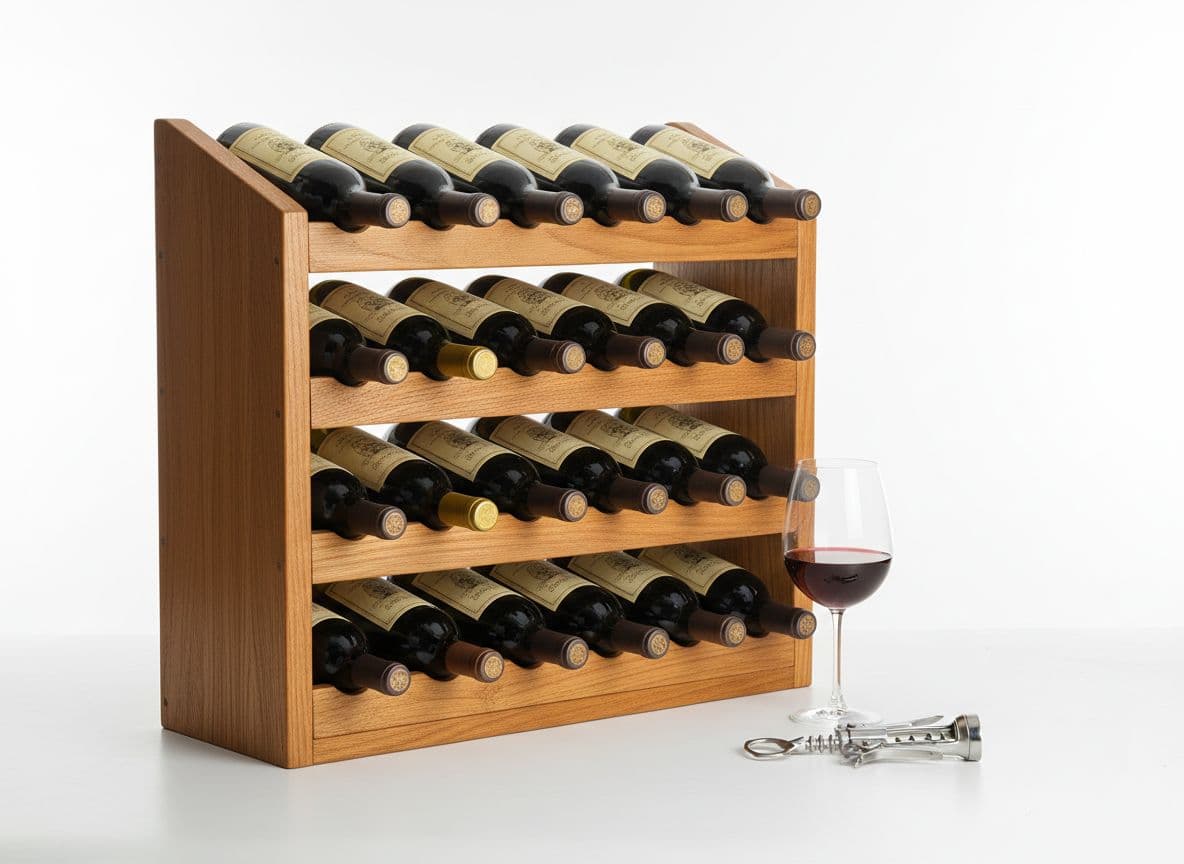
Wine collection values range from a few hundred dollars for a casual accumulation to millions for serious cellars. A well-curated collection of 200 bottles from respected producers can easily be worth $10,000-$50,000, while serious collectors with 500+ bottles from premier estates may hold $50,000-$500,000+ in value. Individual bottles tell the story: a 2005 Chateau Margaux sells for $300-$500, a 2010 Opus One for $350-$450, a 1990 Domaine de la Romanee-Conti for $5,000-$15,000, and first-growth Bordeaux from legendary vintages can reach $1,000-$10,000 per bottle. Even everyday wines from quality producers hold value: well-stored bottles from recognizable Napa Valley and Bordeaux producers typically sell for $30-$100 per bottle on the secondary market. Provenance and storage are critical. Improperly stored wine can lose 50-100% of its value, while professionally stored bottles with documented chain of custody command full market prices. Professional wine appraisals cost $200-$1,000+ depending on collection size, and auction houses charge 15-25% seller's commissions. Our free calculator helps you understand your collection's approximate worth before engaging professionals.
Key Factors That Affect Wine Collection Value
Understanding what drives the price of wine collection helps you get the most accurate valuation.
Producer & Region
The producer (estate/chateau/winery) is the primary value driver. First-growth Bordeaux (Lafite, Margaux, Latour, Mouton, Haut-Brion) command $200-$5,000+ per bottle depending on vintage. Burgundy's top domaines (DRC, Leroy, Rousseau, Roumier) are the most expensive wines in the world, with some bottles exceeding $10,000. Napa Valley icons (Screaming Eagle, Harlan, Scarecrow) sell for $500-$3,000. Italian Super Tuscans (Sassicaia, Ornellaia, Tignanello) bring $100-$400. Champagne from prestige cuvees (Dom Perignon, Krug, Cristal) ranges from $150-$500. Even well-regarded non-premium producers typically sell for $20-$80 per bottle on the secondary market.
Vintage & Age
Vintage quality varies dramatically. Great vintages can be worth 2-10x more than average vintages from the same producer. In Bordeaux, the 2005, 2009, 2010, 2015, 2016, 2018, and 2019 vintages are exceptional and command premium prices. In Burgundy, 2005, 2010, 2015, 2019, and 2020 are standout years. Napa Valley's 2012, 2013, 2016, and 2018 vintages are highly regarded. Age adds value up to a point. Most wines peak at 10-25 years, after which only the finest continue to improve. Wines past their drinking window lose significant value as they become risky purchases.
Storage Conditions
Proper storage is essential for wine value. Ideal conditions are 55°F (13°C) with 60-70% humidity, no vibration, no light exposure, and bottles stored on their sides. Wine stored in a professional facility with climate control and documentation retains full market value. Home wine refrigerators or dedicated cellars are generally acceptable. Wine stored in a kitchen, garage, or closet without temperature control may have been damaged by heat and is significantly devalued. Buyers discount improperly stored wine by 30-80% depending on severity.
Provenance & Documentation
Provenance. The documented history of a wine's storage and ownership. Directly impacts value for fine wines. Bottles purchased directly from the estate or through reputable retailers/auction houses with documented storage history command full market prices. Wine purchased 'on the secondary market' without storage documentation is typically discounted 10-30%. Counterfeit wine is a significant concern for high-value bottles ($200+), and buyers increasingly demand proof of authenticity through purchase receipts, professional storage records, or authentication services.
Bottle Format & Condition
Standard 750ml bottles are the most commonly traded, but larger formats command premiums: magnums (1.5L) sell for 2-3x the standard bottle price, and larger formats (jeroboam, methuselah) are even more valuable due to rarity and superior aging. Bottle condition matters: fill level (ullage) should be appropriate for the wine's age, labels should be clean and legible, and capsules should be intact. Low fills, torn labels, or signs of seepage significantly reduce value. Half-bottles (375ml) typically sell for 55-65% of the standard bottle price.
Tips for Valuing Wine Collection
Get the most accurate estimate by following these tips when evaluating your wine collection.
Count your bottles accurately and note the producers, vintages, and bottle sizes. Even a partial inventory helps generate a more accurate estimate
Be honest about storage conditions. Wine that has been stored in a temperature-controlled environment is worth significantly more than wine kept in a kitchen or garage
Check bottles for proper fill levels, label condition, and any signs of seepage or cork damage. These condition factors directly impact value
If you have notable bottles from premier producers or famous vintages, list them separately as these often represent the majority of a collection's value
Wine Collection Market Insights
The fine wine market has shown remarkable resilience, with the Liv-ex Fine Wine 100 index demonstrating consistent long-term appreciation. Burgundy has been the strongest performing region over the past decade, driven by extremely limited production and insatiable global demand. Top Burgundy prices have increased 200-400% over 10 years. Bordeaux remains the most liquid segment, with the deepest secondary market and most predictable pricing. Napa Valley cult wines have seen strong appreciation, particularly from allocation-only producers. The secondary wine market operates through auction houses (Christie's, Sotheby's, Acker Merrall & Condit, Hart Davis Hart), online platforms (Vinfolio, WineBid, Cellar Tracker Marketplace), and direct dealer networks. Total global fine wine auction sales exceed $500 million annually. Asian demand (particularly Hong Kong and mainland China) has been a major price driver, though the market has broadened globally. Climate change is increasingly affecting vintages and potentially the long-term value of certain regions.
Notable Wine Collection Values
Real-world examples of what specific wine collection have sold for, so you can benchmark your own.
| Wine Collection | Condition | Typical Value |
|---|---|---|
| Screaming Eagle Cabernet Sauvignon, Napa Valley | Sealed, Proper Storage | $3,500 - $6,500+ |
| Domaine de la Romanée-Conti (DRC) Romanée-Conti Grand Cru | Sealed, Provenance Documented | $15,000 - $35,000+ |
| Château Pétrus, Pomerol (top vintages: 2000, 2009, 2010) | Sealed, Cellar-Stored | $4,000 - $8,000+ |
| Opus One, Napa Valley (current release) | Sealed | $200 - $350 |
| Château Lafite Rothschild, Pauillac (classified vintage) | Sealed, Proper Storage | $600 - $2,500+ |
| Silver Oak Cabernet Sauvignon, Alexander Valley (current) | Sealed | $50 - $90 |
| Sassicaia, Bolgheri Sassicaia DOC (Super Tuscan) | Sealed | $150 - $400 |
| Ridge Monte Bello Cabernet Sauvignon, Santa Cruz Mountains | Sealed | $75 - $200 |
| Standard table wine or regional bottle (no noted producer) | Opened or Undocumented | $5 - $30 |
Based on auction records from Sotheby's Wine, Hart Davis Hart, and secondary market platforms including Wine-Searcher and Vivino sold listings.
Find Out What Your Wine Collection Are Worth
Upload a photo now and get a free AI-powered valuation in seconds. No sign-up required.
Wine Collection Valuation FAQ
How do I know if my wine collection is valuable?
Key indicators of a valuable collection include: bottles from recognized premium producers (first-growth Bordeaux, Grand Cru Burgundy, Napa Valley cult wineries), wines from great vintages (2005, 2009, 2010 Bordeaux; 2015, 2019 Burgundy), proper storage in a temperature-controlled environment, and wines with appropriate aging potential (not past their peak). Even 'everyday' wines from quality producers can hold value. A well-stored collection of 100 bottles from recognizable names like Robert Mondavi, Antinori, or Penfolds might be worth $2,000-$5,000. The most valuable collections combine breadth (many bottles) with depth (premier producers and vintages) and proper storage.
Where is the best place to sell wine?
For collections worth $5,000+, wine auction houses (Hart Davis Hart, Acker Merrall & Condit, Heritage Auctions wine division) offer access to serious buyers and achieve strong prices, though seller commissions are 15-25%. For individual bottles or smaller lots, online platforms like WineBid and Vinfolio offer lower commissions (10-15%). Local fine wine shops sometimes buy collections directly at 50-65% of retail value. Quick but lower returns. Important note: selling wine privately is legal in most US states but regulated in some; check your state laws. All sellers should be able to demonstrate proper storage to maximize buyer confidence and prices.
Does wine actually appreciate in value?
Quality wine from top producers does appreciate. The Liv-ex Fine Wine 100 index has outperformed many traditional asset classes over the past 20 years. Top Burgundies have appreciated 200-400% over a decade, and first-growth Bordeaux from great vintages typically appreciate 5-15% annually. However, only about 1-5% of all wine produced is suitable for long-term aging and investment. Most wine (even good wine) is meant to be consumed within 5-10 years and will not appreciate. The keys to wine as an investment are: buying the right producers and vintages, impeccable storage with documentation, and patience (5-15 year holding periods).
How important is proper wine storage for value?
Storage is absolutely critical. It can mean the difference between a bottle being worth $500 or being worthless. Wine must be stored at 50-59°F (ideally 55°F), 60-70% humidity, in the dark, without vibration, and on its side (for cork-finished bottles). A single heat event (wine left in a hot car, stored in a warm garage) can permanently damage wine. Professional wine storage facilities charge $10-$25 per case per year and provide ideal conditions plus documentation that buyers trust. If you've stored wine in a home cellar with consistent, cool temperatures, most buyers will accept this with appropriate documentation. Wine stored without temperature control for extended periods is significantly devalued.
Value anything, anytime
Unlimited valuations, saved history and full reports in the free app.