Last updated: September 2026
How Much Is Your Bourbon or Whiskey Worth?
Check current market values, learn what affects pricing, and get tips for buying and selling.
← All Bourbon & Whiskey valuationsWhat do you want to value?
Get the free app for unlimited scans


Bourbon & Whiskey Price Guide
Current market values based on recent sales data and market trends.
| Item | Condition | Price Range |
|---|---|---|
| Pappy Van Winkle 23 Year | Sealed | $3,000 - $5,000 |
| Pappy Van Winkle 20 Year | Sealed | $1,500 - $2,500 |
| Pappy Van Winkle 15 Year | Sealed | $1,200 - $1,800 |
| George T. Stagg (BTAC) | Sealed | $500 - $900 |
| William Larue Weller (BTAC) | Sealed | $500 - $800 |
| Blanton's Single Barrel | Sealed | $80 - $130 |
| Yamazaki 18 Year | Sealed | $700 - $1,000 |
| Hibiki 21 Year | Sealed | $800 - $1,200 |
| Weller 12 Year | Sealed | $60 - $100 |
| Eagle Rare 10 Year | Sealed | $40 - $60 |
What Determines Bourbon & Whiskey Value
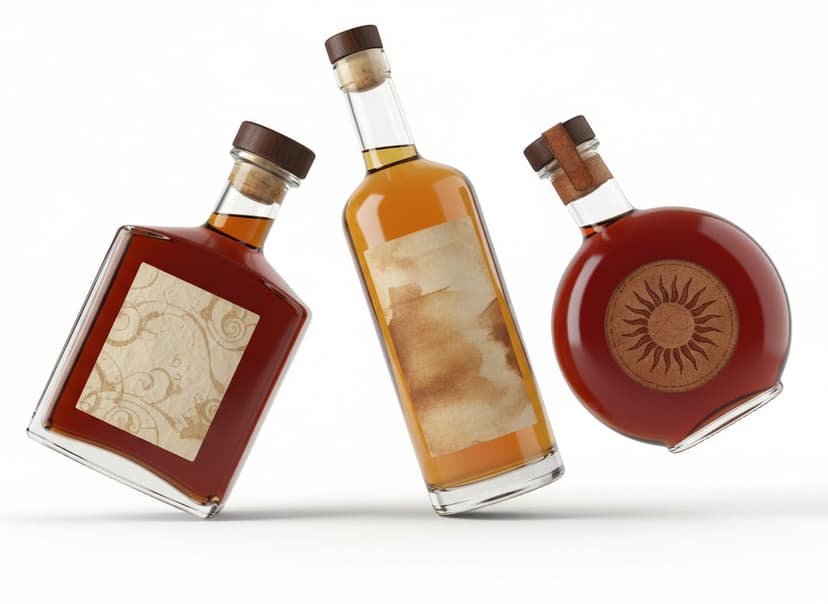
The bourbon and whiskey secondary market has exploded over the past decade, driven by limited allocations, barrel-proof releases, and Japanese whisky scarcity. Bottles that retail for $30-$100 regularly sell for 5-20x their retail price on the secondary market. Pappy Van Winkle 23 Year retails for approximately $300 but consistently sells for $3,000-$5,000 secondary. The Buffalo Trace Antique Collection (BTAC), allocated bourbons from distilleries like Four Roses and Wild Turkey, and age-stated Japanese whiskies from Yamazaki and Hibiki are the most sought-after categories. While selling alcohol requires specific licenses in most jurisdictions, the secondary market thrives through private sales, auction houses (with licenses), and collector groups. Sealed, undamaged bottles with intact labels and tax strips command the highest premiums.
Bourbon and whiskey secondary values depend on brand reputation and allocation status (Pappy Van Winkle, BTAC, and certain single barrel selections are the most allocated), age statement (older = more expensive, especially for Japanese whisky where distilleries have limited aged stock), proof and barrel strength (barrel-proof and cask-strength releases carry premiums), bottle condition (intact seal, clean label, no seepage, presence of tube or box), limited release status (single barrel store picks, distillery-only releases), and market trends. Japanese whisky has experienced the most dramatic price increases due to genuine scarcity. Many distilleries discontinued age-stated products after running out of aged stock. Counterfeit bottles exist for high-value brands, particularly Pappy Van Winkle.
Buying & Selling Tips
Buying
Build relationships with local liquor store owners. Allocated bottles are distributed to stores and sold to loyal customers, not listed online at retail.
Enter bourbon lotteries in states that use them (Virginia, Pennsylvania, Ohio) for a chance at retail-priced allocated bottles.
Verify seal integrity before buying on the secondary market. Look for intact tax strip, no signs of tampering, and correct fill level.
Japanese whisky is genuinely scarce (not artificially limited like some bourbons). Age-stated bottles from Yamazaki, Hakushu, and Hibiki will likely continue appreciating.
Be aware that selling alcohol without a license is illegal in most US states. The secondary market operates in a legal gray area through private sales and licensed auction platforms.
Selling
Use licensed auction platforms like Unicorn Auctions, Bourbon Pursuit Auctions, or international auction houses for legal sales.
Photograph the bottle from all angles showing the seal, label condition, fill level, and any included box or tube.
Sell Pappy and BTAC bottles in October-December when holiday demand peaks and before new allocations arrive.
Store bottles upright (not on their side like wine) in a cool, dark place. Cork degradation and seepage reduce value significantly.
Include the original box, tube, or packaging. Presentation packaging adds 5-15% to the sale price for premium bottles.
Bourbon & Whiskey FAQ
Why is Pappy Van Winkle so expensive?
Pappy Van Winkle's extreme secondary market prices are driven by severely limited production (estimated 7,000-8,000 cases per year across all expressions), enormous demand fueled by media attention and celebrity endorsement, and the genuine quality of the whiskey. Buffalo Trace distributes Pappy through a lottery and allocation system, making retail purchases nearly impossible for average consumers. The scarcity is real. There simply is not enough aged wheated bourbon to meet demand.
How can I tell if a bourbon bottle is fake?
Check the tax strip for proper printing and alignment, examine the label for correct fonts and printing quality, verify the fill level matches expectations for the bottle size, and inspect the capsule for signs of tampering or re-sealing. For Pappy Van Winkle specifically, compare to verified authentic bottles. Label positioning, font spacing, and bottle glass quality should match. High-value purchases should be made through reputable auction houses that authenticate bottles.
Is bourbon a good investment?
Allocated bourbons have shown strong appreciation over the past decade, with Pappy Van Winkle and BTAC bottles consistently increasing in secondary market value. However, bourbon investing carries unique risks: storage requirements (upright, cool, dark), legal complications (selling without a license is illegal in most states), breakage risk, and market sensitivity to production increases. Japanese whisky has arguably been a better investment due to genuine production constraints rather than artificial allocation.
What does 'allocated' mean for bourbon?
Allocated bourbon is distributed by the producer in limited quantities to retailers, who then decide how to sell it. Some use lotteries, some reward loyal customers, and some put it on shelves at or above MSRP. Allocation exists because demand far exceeds supply for certain brands. Being allocated does not guarantee a bottle is worth a premium. Some allocated bottles (like Eagle Rare) have modest secondary value, while others (Pappy 23) sell for 10-15x retail.
Got Bourbon & Whiskey to Value?
Upload a photo and get a free AI-powered valuation in seconds. No sign-up required.