Last updated: September 2026
How Much Will My Wedding Cost?
Wedding planning is exciting but financially daunting. And most couples significantly underestimate the total cost. Our calculator takes your guest count, location, venue type, season, and desired budget level to produce a realistic total cost estimate with per-category breakdowns. Whether you're just starting to plan, comparing destination options, or trying to determine a realistic budget before getting engaged, understanding actual wedding costs in your area helps you make informed decisions and avoid the common trap of budget overruns that burden newlyweds with debt.
Get the free app for unlimited scans


Wedding Cost Value Calculator
Fill in the details below for an accurate estimate
Why Knowing Your Wedding Cost Value Matters
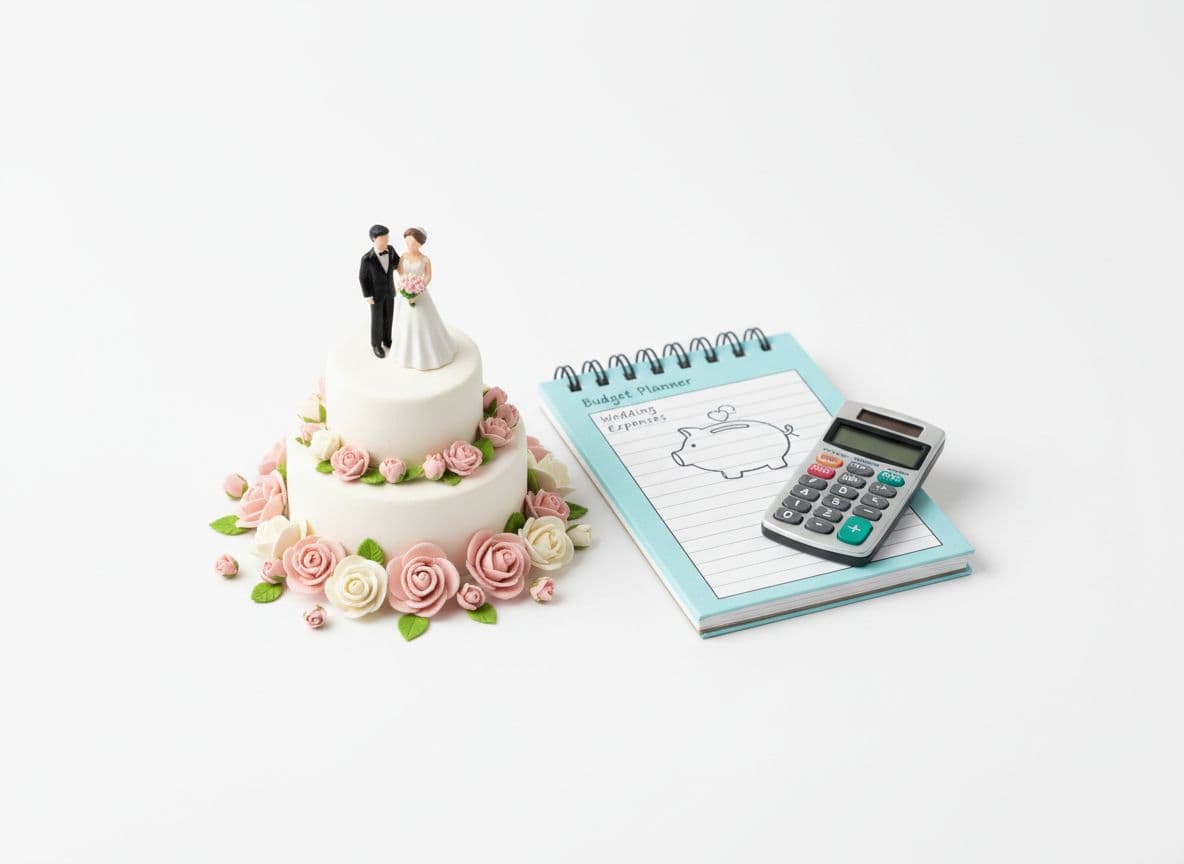
The average American wedding costs approximately $35,000-$40,000, but this number masks enormous variation. A budget-conscious wedding for 100 guests in a low-cost city might total $10,000-$15,000, while a luxury celebration for 200 guests in New York City or Los Angeles can exceed $150,000-$300,000. The per-guest cost is the most useful metric: budget weddings run $75-$150 per guest, mid-range weddings cost $200-$350 per guest, upscale weddings run $400-$700 per guest, and luxury celebrations can exceed $1,000+ per guest. The venue and catering together typically consume 45-55% of the total budget. A sit-down dinner at a hotel ballroom costs $150-$400 per plate in major cities, while a buffet at a barn venue might run $50-$100. Photography ($3,000-$10,000), flowers ($2,000-$8,000), music/DJ ($1,500-$5,000), wedding attire ($2,000-$10,000), and miscellaneous costs (invitations, favors, transportation, tips) add up quickly. Season matters too: peak-season weddings (June-October) cost 20-30% more than off-peak (November-May) due to higher venue demand and vendor pricing. Understanding these real numbers prevents the #1 wedding planning mistake. Setting an unrealistic budget based on hope rather than market reality.
Key Factors That Affect Wedding Cost Value
Understanding what drives the price of wedding cost helps you get the most accurate valuation.
Guest Count
Guest count is the single biggest cost driver because it directly affects venue size, catering, rentals, invitations, favors, and more. Each additional guest adds $150-$500+ to the total cost depending on budget level and location. Reducing the guest list from 200 to 150 saves $7,500-$25,000 on average. An intimate wedding of 50 guests allows significantly higher per-person spending within the same total budget, resulting in a more luxurious experience for each guest. Some venues charge per-head minimums, so the guest count also determines which venues are accessible within your budget.
Location & Market
Wedding costs vary by 2-4x depending on your city. The most expensive US wedding markets include New York City (average $65,000-$80,000), San Francisco ($55,000-$70,000), Los Angeles ($45,000-$60,000), Chicago ($40,000-$55,000), and Boston ($40,000-$55,000). More affordable markets include Atlanta ($25,000-$35,000), Dallas ($25,000-$35,000), Denver ($25,000-$35,000), and smaller cities/rural areas ($15,000-$25,000). Destination weddings vary widely: a beach wedding in Mexico might cost $20,000-$40,000 while a European villa wedding can exceed $100,000.
Venue Type & Style
The venue sets the tone and significantly affects cost. Hotel ballrooms are all-inclusive but premium-priced ($10,000-$40,000+ for the space plus $150-$400/plate catering). Outdoor/garden venues offer natural beauty at lower space costs ($3,000-$15,000) but require more rentals (tents, tables, lighting. Adding $5,000-$20,000). Barn/rustic venues range from $3,000-$12,000 but often need significant décor investment. Restaurants can be cost-effective for smaller weddings ($2,000-$8,000 venue fee with built-in catering). Beach venues vary from free (public beaches with permits) to $15,000+ for resort properties.
Season & Day of Week
Peak wedding season (June through October) sees 70-80% of all weddings and commands premium pricing from venues and vendors. Off-peak months (November through May, excluding December holidays) offer savings of 20-30% on venue fees and better vendor availability. Sunday weddings save 10-20% compared to Saturday, and Friday evening weddings save 15-25%. Winter weddings can be dramatically cheaper. Some venues offer 40-50% discounts for January-March dates. A savvy couple choosing a Friday evening in March can save 30-40% compared to a Saturday in June.
Budget Level & Priorities
The budget level determines quality and quantity across all categories. Budget-friendly weddings ($10,000-$20,000) prioritize selective spending. Perhaps splurging on photography while using a Spotify playlist instead of a DJ and buying a pre-made cake. Mid-range weddings ($25,000-$45,000) cover all traditional elements at market rates. Upscale weddings ($50,000-$100,000) feature premium vendors, designer florals, and upgraded everything. Luxury weddings ($100,000+) include celebrity-tier vendors, elaborate custom designs, and premium food and beverage. The smartest approach is identifying your top 3 priorities (e.g., photography, food, venue) and allocating 50-60% of your budget there.
Tips for Valuing Wedding Cost
Get the most accurate estimate by following these tips when evaluating your wedding cost.
Be realistic about your guest count. It's the #1 cost driver, and cutting 25-50 guests can save $5,000-$25,000 that can be redirected to priorities you care about more
Consider off-peak dates (November-May) and non-Saturday events. The savings of 20-40% can fund significant upgrades to other elements of your wedding
Get quotes from at least 3 vendors in each category and read contracts carefully. Hidden fees for overtime, cake cutting, setup/teardown, and service charges can add 15-25% to quoted prices
Build a 10-15% contingency buffer into your budget for unexpected costs. Nearly every wedding goes over the initial budget by at least this amount
Wedding Cost Market Insights
The US wedding industry generates approximately $70-$80 billion annually. Post-pandemic weddings have seen several notable trends: micro-weddings (under 50 guests) gained popularity during COVID and remain popular for couples prioritizing experience over scale. However, average guest counts have rebounded to 120-150 as large celebrations returned. Wedding inflation has run hotter than general inflation, with vendor prices increasing 20-35% since 2019 due to demand surges, supply chain issues, and vendor burnout/turnover. The biggest cost increases have been in photography (+25%), florals (+30%), and catering (+20%). Technology is reshaping the industry. Wedding planning platforms (Zola, The Knot, WeddingWire) streamline vendor booking, and couples increasingly find vendors through Instagram and TikTok. DIY and non-traditional weddings continue to grow, with couples choosing breweries, art galleries, and public parks over traditional venues. Sustainable and eco-conscious weddings are a growing segment, often with comparable or lower costs due to seasonal/local floral choices and reduced waste.
Notable Wedding Cost Values
Real-world examples of what specific wedding cost have sold for, so you can benchmark your own.
| Wedding Cost | Condition | Typical Value |
|---|---|---|
| Courthouse / Civil Ceremony (2-10 guests) | Minimal | $500 - $2,500 |
| Backyard Wedding (50 guests, DIY decor) | Budget | $3,000 - $8,000 |
| Weekday Off-Season Banquet Hall (75 guests, Midwest) | Mid-Range | $8,000 - $18,000 |
| Saturday Summer Hotel Ballroom (100 guests, Southeast US) | Mid-Range | $20,000 - $35,000 |
| Vineyard or Barn Venue (150 guests, California) | Mid-Range | $35,000 - $60,000 |
| Urban Rooftop or Loft (120 guests, NYC or Chicago) | Upscale | $50,000 - $90,000 |
| Destination Beach Wedding (80 guests, Caribbean resort) | Luxury | $40,000 - $100,000 |
| Country Club or Historic Estate (200 guests, Northeast US) | Luxury | $80,000 - $150,000 |
| Full-Service Luxury Hotel or Private Villa (200+ guests, NYC / LA) | Ultra-Luxury | $150,000 - $500,000+ |
Based on aggregated data from The Knot, WeddingWire, and published wedding industry surveys; ranges reflect regional and vendor variation.
Find Out What Your Wedding Cost Are Worth
Upload a photo now and get a free AI-powered valuation in seconds. No sign-up required.
Wedding Cost Valuation FAQ
How much does the average wedding cost?
The average American wedding costs approximately $35,000-$40,000, but this number can be misleading because it's heavily skewed by expensive weddings in high-cost cities. The median wedding cost (a more representative figure) is closer to $25,000-$30,000. The actual cost for your wedding depends primarily on guest count, location, and budget level. A well-planned wedding for 100 guests in an average-cost market can be beautiful at $15,000-$25,000. In expensive markets like NYC or San Francisco, the same wedding might cost $40,000-$60,000. The key is setting a realistic budget for your specific market and guest count before committing to vendors.
What is the biggest wedding expense?
The venue and catering combined are by far the largest expense, typically consuming 45-55% of the total budget. For a $35,000 wedding, expect $15,000-$19,000 on venue and food/beverage. Breaking it down further: venue rental ($3,000-$15,000), catering including service staff ($8,000-$25,000 for 150 guests), and bar service ($2,000-$8,000 for open bar). Photography is usually the second largest line item at $3,000-$10,000, followed by flowers/décor ($2,000-$8,000), music/entertainment ($1,500-$5,000), and wedding attire ($2,000-$8,000). These top 5 categories account for roughly 80% of the total budget.
How can I save money on my wedding without sacrificing quality?
The highest-impact savings strategies: (1) Reduce guest count. Each person costs $150-$500+, so cutting 50 guests saves $7,500-$25,000. (2) Choose an off-peak date. November-May (except holidays) saves 20-30% on venue and vendors. (3) Pick a non-Saturday. Friday evening or Sunday saves 10-25%. (4) Limit the open bar. Beer/wine only saves 30-50% versus full open bar, or serve signature cocktails instead. (5) Choose in-season flowers. Out-of-season blooms cost 2-3x more. (6) Skip the sit-down dinner. Buffets, food trucks, or stations are 20-40% cheaper and often more fun. (7) Use a DJ instead of a band. Saves $3,000-$8,000. (8) Buy a pre-made or semi-custom cake. Custom cakes cost $5-$12/slice vs. $2-$4 for bakery cakes.
Should I hire a wedding planner?
A wedding planner is one of the best investments for weddings over $25,000. Full-service planners cost $3,000-$10,000 (8-12% of budget) but often save their fee by negotiating vendor discounts, preventing costly mistakes, and managing logistics that would otherwise require you to take time off work. Day-of coordinators ($1,000-$2,500) are valuable at any budget level. They manage the event day so you and your family can enjoy it. Partial planning packages ($2,000-$5,000) offer guidance and vendor recommendations while leaving some legwork to you. For budget weddings under $15,000, a day-of coordinator is sufficient; for complex weddings over $40,000, a full-service planner typically pays for themselves in stress reduction and vendor savings.
Value anything, anytime
Unlimited valuations, saved history and full reports in the free app.