Last updated: September 2026
How Much Does Pest Control Cost?
Pest control costs depend on the pest type, infestation severity, home size, and whether you need a one-time treatment or ongoing plan. Enter your pest problem for an estimated cost breakdown.
Get the free app for unlimited scans


Pest Control Value Calculator
Fill in the details below for an accurate estimate
Why Knowing Your Pest Control Value Matters
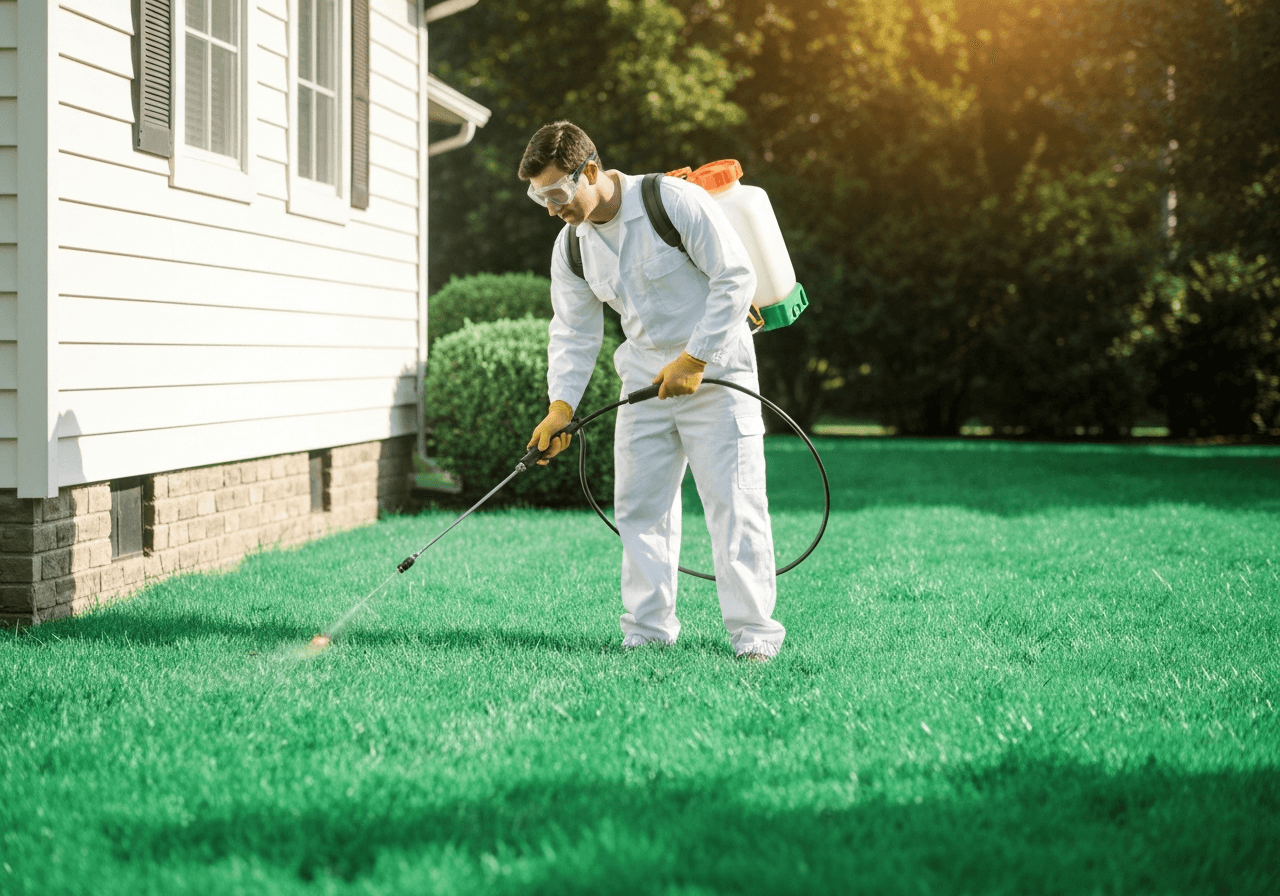
Americans spend over $22 billion annually on pest control. A one-time treatment for common pests (ants, roaches, spiders) costs $150-$350. Ongoing quarterly plans cost $40-$70/month. Specialty treatments for termites ($500-$2,500) and bed bugs ($1,000-$5,000) are significantly more expensive. Ignoring pest problems can lead to much larger costs. Untreated termites cause $5 billion in US property damage annually, and bed bug infestations become exponentially more expensive to treat as they spread.
Key Factors That Affect Pest Control Value
Understanding what drives the price of pest control helps you get the most accurate valuation.
Pest Type
General pests (ants, spiders, roaches): $150-$350 one-time. Rodents (mice, rats): $200-$500. Wasps/hornets: $100-$400. Bed bugs: $1,000-$5,000 (whole-house treatment). Termites: $500-$2,500 (treatment), $800-$3,000 (tenting). Mosquitoes: $75-$150 per treatment. Wildlife removal (raccoons, squirrels): $200-$600.
Treatment Type
One-time treatment: $150-$500. Quarterly service plan: $40-$70/month ($120-$200/quarter). Monthly service: $40-$70/month. Annual plan with guarantee: $400-$800/year. Fumigation/tenting: $1,500-$5,000+.
Home Size
Under 1,500 sq ft: base price. 1,500-3,000 sq ft: 10-25% more. 3,000-5,000 sq ft: 25-50% more. Over 5,000 sq ft: 50-100% more. Larger homes require more product and more time.
Infestation Severity
Mild/preventive: lowest cost. Moderate infestation: standard treatment price. Severe infestation: may require multiple treatments (2-3x cost). Preparation work (cleaning, moving furniture) can add to total time and cost, especially for bed bugs.
Location
Southern states have higher pest pressure (year-round warm climate) and higher treatment frequency needs. Northern states need less frequent treatment. Urban vs. rural: urban areas generally cost 10-20% more. Termite-prone regions (Southeast, Southwest) have higher termite treatment costs.
Tips for Valuing Pest Control
Get the most accurate estimate by following these tips when evaluating your pest control.
Describe the type of pest you're dealing with
Note the severity (just saw a few, or a serious infestation)
Specify your home size (square footage) and type (house, apartment, condo)
Mention your preference for one-time treatment vs. ongoing plan
Pest Control Market Insights
The pest control industry is recession-resistant and growing at 5% annually. The shift toward eco-friendly and pet-safe treatments has increased options but sometimes at higher prices. Integrated Pest Management (IPM) approaches combining prevention, monitoring, and targeted treatment are becoming the industry standard. DIY pest control products (from hardware stores and online) can handle minor issues for $20-$50, but professional treatment is recommended for anything beyond occasional ants or spiders.
Find Out What Your Pest Control Are Worth
Upload a photo now and get a free AI-powered valuation in seconds. No sign-up required.
Pest Control Valuation FAQ
How much does pest control cost per month?
Monthly plans: $40-$70/month. Quarterly plans: $120-$200 per visit ($40-$65/month equivalent). Annual plans: $400-$800/year. Most homeowners find quarterly service sufficient for general pest prevention. Monthly service is recommended for severe infestations or high-pest-pressure areas.
How much does bed bug treatment cost?
Heat treatment (most effective, single treatment): $1,500-$4,000 for a whole home. Chemical treatment: $1,000-$3,000 (may require 2-3 treatments). Per room: $300-$1,000. Bed bugs are the most expensive common pest to eliminate. Early treatment (before they spread to multiple rooms) saves significantly.
How much does termite treatment cost?
Liquid barrier treatment: $500-$2,000. Bait station system: $800-$3,000 (includes monitoring). Termite tenting/fumigation: $1,500-$5,000+. Annual termite inspection: $75-$150 (often free with a treatment contract). Termite bonds (ongoing protection contracts): $200-$400/year.
Is pest control worth it?
For general prevention: a quarterly plan ($400-$800/year) provides peace of mind and catches problems early. For active infestations: absolutely. DIY treatments rarely eliminate established infestations and allow them to grow worse. For termites: essential. Untreated termites can cause tens of thousands in structural damage.
Value anything, anytime
Unlimited valuations, saved history and full reports in the free app.