Last updated: September 2026
How Much Are 1st Edition Yu-Gi-Oh Cards Worth?
Check current market values, learn what affects pricing, and get tips for buying and selling.
← All Yu-Gi-Oh! Cards valuationsWhat do you want to value?
Get the free app for unlimited scans


1st Edition Yu-Gi-Oh Cards Price Guide
Current market values based on recent sales data and market trends.
| Item | Condition | Price Range |
|---|---|---|
| Blue-Eyes White Dragon LOB-001 1st Ed | PSA 10 | $18,000 - $35,000 |
| Blue-Eyes White Dragon LOB-001 1st Ed | PSA 9 | $1,800 - $3,200 |
| Blue-Eyes White Dragon LOB-001 1st Ed | Raw NM | $300 - $700 |
| Dark Magician LOB-005 1st Ed | PSA 9 | $900 - $1,800 |
| Exodia the Forbidden One LOB-124 1st Ed | PSA 9 | $1,200 - $2,400 |
| Black Luster Soldier (Tournament Prize) | PSA 9 | $450,000 - $2,000,000 |
| Gaia the Fierce Knight LOB-006 1st Ed | PSA 10 | $2,500 - $5,000 |
| Metal Raiders 1st Ed Booster Box | Sealed | $25,000 - $60,000 |
| LOB 1st Ed Booster Pack | Sealed | $1,500 - $4,000 |
| Common LOB 1st Ed cards | NM raw | $3 - $25 |
What Determines 1st Edition Yu-Gi-Oh Cards Value
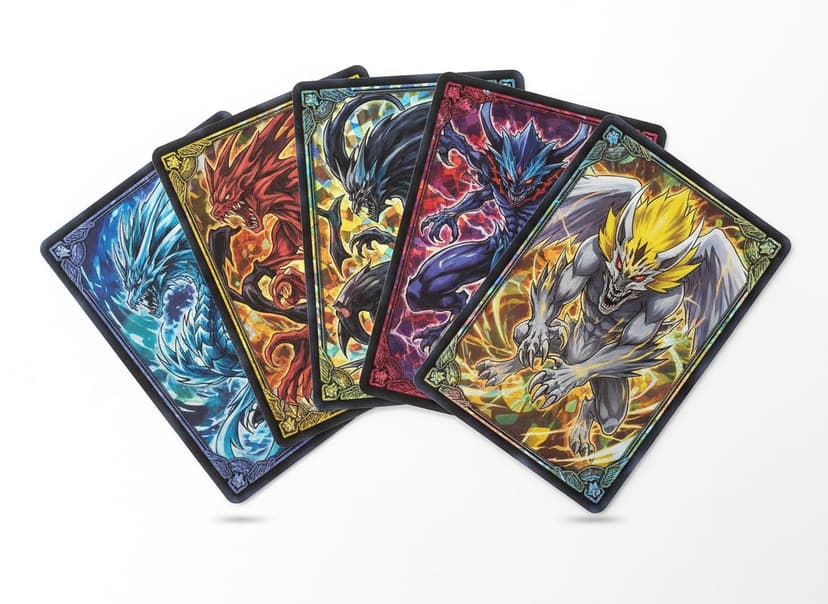
Yu-Gi-Oh printed its first English set, Legend of Blue Eyes White Dragon, in 2002, and the 1st Edition print run of that set is where nearly all of the vintage money in the game sits. A 1st Edition card is identified by the words 1st Edition printed under the artwork on the right side; Unlimited reprints lack it and are worth a small fraction of the same card. Because Konami printed 1st Edition runs in far smaller quantities before demand exploded, the same Blue-Eyes White Dragon can be a $40 card or a $4,000 card depending on that one line of text and the grade. Centering is the defining problem of early Yu-Gi-Oh: the cutting on LOB and Metal Raiders was notoriously poor, which is why PSA 10 populations are tiny and the price jump from PSA 9 to PSA 10 is often five to ten times rather than the usual double.
The 1st Edition marking is the single biggest multiplier and should be verified before any other consideration, since Unlimited copies of the same card often sell for one twentieth the price. Rarity tier comes next: Secret Rare, Ultra Rare, Super Rare, Rare, and Common, with the holographic tiers holding almost all of the value in vintage sets. Grade is decisive and unusually punishing in Yu-Gi-Oh because early print runs had poor centering and the black borders show every edge whitening instantly. Set matters enormously, with Legend of Blue Eyes, Metal Raiders, and the early tournament promos dominating the vintage market. Playability affects modern cards but barely touches vintage prices, which are driven by nostalgia and grading scarcity. Finally, provenance on sealed product is critical because pack weighing and resealing are widespread problems.
Buying & Selling Tips
Buying
Check for the 1st Edition text under the art before anything else. Sellers frequently list Unlimited copies with 1st Edition prices by mistake or by design.
Assume raw vintage holos are damaged until proven otherwise. Photograph requests showing all four corners under angled light are standard practice.
For anything over $300, buy PSA, BGS, or CGC graded. The centering tolerance on early Yu-Gi-Oh makes raw grading estimates unreliable.
Avoid loose vintage packs unless they come from a sealed box with a paper trail. Weighed and resealed packs flooded the market years ago.
European 1st Edition printings exist and trade at a discount to North American copies. Confirm which region you are buying.
Selling
Grade before selling anything you believe is near mint. The PSA 9 to PSA 10 gap on LOB holos is large enough to justify the fee many times over.
Photograph the 1st Edition line and the card number in the same shot. It preempts half the buyer questions immediately.
Sell sealed boxes at auction rather than fixed price. The vintage sealed market is thin and competitive bidding sets the ceiling.
Bundle commons and rares from the same set into playset lots. Individually they are not worth the shipping.
Ship graded slabs in a bubble mailer inside a rigid box. Cracked slabs arriving in transit are a common and expensive dispute.
1st Edition Yu-Gi-Oh Cards FAQ
How do I know if my Yu-Gi-Oh card is 1st Edition?
Look at the right side just below the artwork. Genuine 1st Edition cards have the text 1st Edition printed there in small type. If that line is absent, the card is an Unlimited printing and is worth substantially less.
What is the most valuable Yu-Gi-Oh card?
The 1999 Tournament Black Luster Soldier prize card, printed on stainless steel, is the most valuable at over $2 million in one recorded sale. Among mass-printed cards, a PSA 10 1st Edition Blue-Eyes White Dragon from Legend of Blue Eyes leads at $18,000 to $35,000.
Are Unlimited Edition Yu-Gi-Oh cards worth anything?
Far less than 1st Edition, typically five to ten percent of the price for the same card and grade. An Unlimited Blue-Eyes in near mint condition sells for roughly $30 to $60 against several hundred for 1st Edition.
Why are Yu-Gi-Oh PSA 10s so rare?
Early Konami print runs had poor cutting tolerances, so most cards are off-center out of the pack. Combined with black borders that show the slightest edge wear, this keeps PSA 10 populations extremely low even on cards that were opened in the millions.
Should I grade my old Yu-Gi-Oh cards?
Only if they are 1st Edition holographic cards from Legend of Blue Eyes, Metal Raiders, or the earliest promos and look near mint with good centering. Grading fees exceed the value of commons and Unlimited printings.
Got 1st Edition Yu-Gi-Oh Cards to Value?
Upload a photo and get a free AI-powered valuation in seconds. No sign-up required.