Last updated: September 2026
How Much Is a Used Firearm Worth?
Check current market values, learn what affects pricing, and get tips for buying and selling.
← All Firearms valuationsWhat do you want to value?
Get the free app for unlimited scans


Used Firearms Price Guide
Current market values based on recent sales data and market trends.
| Item | Condition | Price Range |
|---|---|---|
| Common modern pistol, 5 years old | Excellent | 60% - 75% of retail |
| Common modern sporting rifle | Excellent | 60% - 75% of retail |
| Pump or semi-auto shotgun, common | Very Good | $250 - $600 |
| Quality over-under shotgun | Excellent | $1,200 - $6,000 |
| Bolt action hunting rifle, common | Very Good | $350 - $800 |
| Pre-1964 Winchester Model 70 | Excellent, original | $1,200 - $4,000 |
| Colt Single Action Army, first generation | Original finish | $4,000 - $30,000 |
| Military surplus rifle, matching numbers | Very Good | $500 - $2,500 |
| Any collectible arm, refinished | Excellent appearance | 40% - 60% of original finish |
| Antique (pre-1899) firearm | Varies | $400 - $20,000+ |
What Determines Used Firearms Value
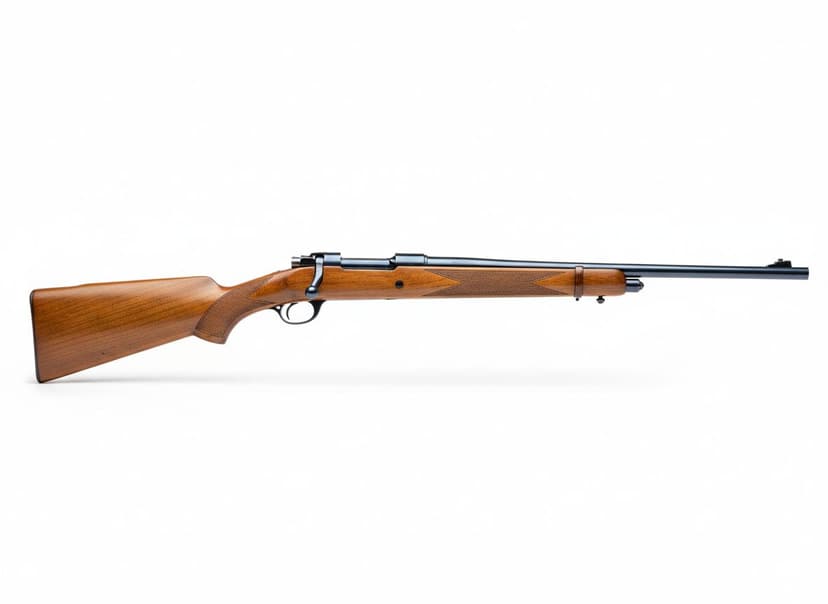
Used firearm valuation follows established conventions built around condition grading, and the standard reference is the NRA condition scale running from New through Excellent, Very Good, Good, Fair, and Poor, with a separate Antique scale for pre-1899 arms. Modern production sporting firearms depreciate predictably, typically settling at sixty to seventy-five percent of retail once used, then holding steady for years because well-maintained firearms have long service lives. Collectible arms follow different rules entirely, where originality of finish, matching serial numbers on all components, and documented provenance determine value, and a refinished collectible can lose half its worth. Before any transaction it is essential to understand that firearm transfers are regulated: in the United States interstate sales must go through a licensed dealer, and state and local rules add further requirements. This guide covers valuation only, and any sale should be arranged through a licensed dealer who handles the legal transfer.
Make, model, and production era set the framework, and for collectibles a specific cutoff year often separates desirable from ordinary production, as with pre-1964 Winchester rifles. Condition graded on the NRA scale drives modern values, with bore condition being the most consequential single check on any rifle or handgun. Originality of finish is critical for collectibles and a refinish reduces value by forty to sixty percent even when beautifully executed. Matching serial numbers across receiver, bolt, and other components matter greatly on military arms. Factory documentation, such as a Colt or Winchester factory letter confirming original configuration and shipping date, adds substantial value. Included accessories including original boxes, papers, and extra magazines add real money. Optics and aftermarket parts are valued separately and often reduce the base firearm's value if permanent modifications were made.
Buying & Selling Tips
Buying
Inspect the bore with a light. Pitting, frosting, and worn rifling are the most consequential condition issues and are invisible externally.
Check serial numbers on all components for military arms. Matching numbers command a large premium.
Learn the collectible cutoff for the model. Many designs have a production year that separates collectible from ordinary.
Look for evidence of refinishing, including softened markings, rounded edges, and polish marks. It halves collector value.
Arrange the transfer through a licensed dealer. Interstate sales require it and the dealer handles the required paperwork and checks.
Selling
Have the firearm cleaned and the bore inspected, and describe bore condition honestly. It is the first thing buyers ask about.
Photograph the markings, serial numbers, bore if possible, and both sides of the firearm.
Include the original box, papers, and accessories. They add real value and are frequently missing.
Order a factory letter for collectible arms where the manufacturer offers one. It documents original configuration and adds value.
Consign through a licensed dealer or a firearms auction house. They handle the legal transfer and reach the right buyers.
Used Firearms FAQ
How much does a used firearm depreciate?
Modern production sporting firearms typically settle at sixty to seventy-five percent of retail once used, then hold steady for years because service life is long. Collectible arms follow different rules and can appreciate.
Does refinishing hurt a collectible firearm's value?
Substantially, reducing it to forty to sixty percent of an original-finish example. Collectors pay for original bluing, case coloring, and markings, and refinishing removes metal and softens stampings permanently.
What is the NRA condition scale?
It is the standard grading system for firearms, running from New through Excellent, Very Good, Good, Fair, and Poor, with a separate scale for antique arms. Most price guides and auction descriptions use it.
Why do matching serial numbers matter?
On military firearms, components were serial numbered to the receiver at the factory. A rifle with all original matching parts is worth substantially more than one assembled from mixed parts, often double.
How do I legally sell a firearm?
Requirements vary by jurisdiction. In the United States, interstate transfers must go through a federally licensed dealer, and many states impose additional rules on private sales. Working through a licensed dealer is the standard way to handle the transfer and required checks.
Got Used Firearms to Value?
Upload a photo and get a free AI-powered valuation in seconds. No sign-up required.