Last updated: September 2026
How Much Is Tiffany Jewelry Worth?
Check current market values, learn what affects pricing, and get tips for buying and selling.
← All Tiffany & Co. Jewelry valuationsWhat do you want to value?
Get the free app for unlimited scans


Tiffany & Co. Jewelry Price Guide
Current market values based on recent sales data and market trends.
| Item | Condition | Price Range |
|---|---|---|
| Return to Tiffany heart tag bracelet | Excellent, silver | $110 - $200 |
| Elsa Peretti Open Heart pendant, silver | Excellent | $70 - $150 |
| Tiffany T Wire bracelet, 18k gold | Excellent | $900 - $1,500 |
| Tiffany T1 ring, 18k gold | Excellent | $1,100 - $1,900 |
| Tiffany Setting solitaire, 1 ct | With certificate | $4,500 - $8,500 |
| Atlas collection, gold | Excellent | $700 - $1,400 |
| Jean Schlumberger pieces | Excellent | $3,000 - $60,000 |
| Paloma Picasso vintage | Excellent | $250 - $2,500 |
| Tiffany sterling flatware, per place setting | Excellent | $200 - $900 |
| Any Tiffany piece without box | Excellent | 15% - 25% below boxed |
What Determines Tiffany & Co. Jewelry Value
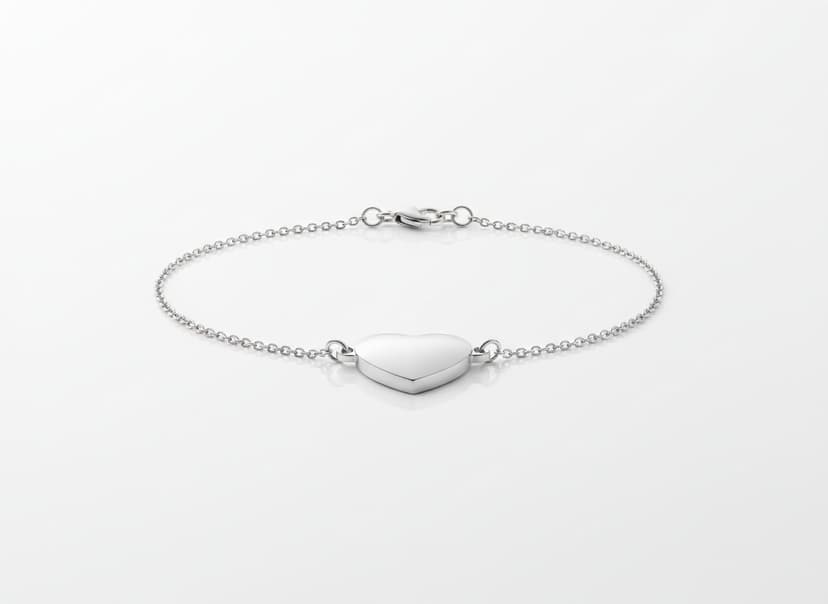
Tiffany & Co. is one of the few jewelry brands where the box is genuinely part of the product's value, and that shapes its entire resale market. The brand's retail structure creates a sharp split in retention. Sterling silver pieces, including the Return to Tiffany line and the Elsa Peretti Open Heart, are produced in enormous quantities and resell at roughly twenty-five to forty percent of retail because the silver content is negligible and supply is deep. Gold and platinum pieces retain better at forty to sixty percent. Diamond engagement rings, despite Tiffany's reputation, follow the same brutal math as all diamond jewelry and typically resell at thirty to forty-five percent of what was paid, though the Tiffany name adds a real premium over an equivalent unbranded stone. Discontinued designer collections, particularly Jean Schlumberger and vintage Elsa Peretti and Paloma Picasso pieces, behave as collectibles and can exceed original retail.
Material sets the floor and it is unforgiving for silver, where the metal content of a typical bracelet is worth under fifty dollars. Collection matters enormously, with discontinued designer lines from Schlumberger, Peretti, and Picasso trading as collectibles while current mass-market lines trade as used jewelry. Condition is judged on silver tarnish and scratching, which is easily addressed, and on gold wear at high-contact points, which is not. Completeness with the original blue box, pouch, and receipt is unusually valuable in this brand because the packaging is culturally iconic and reduces counterfeit anxiety. Hallmarks matter: authentic pieces carry a clean Tiffany & Co. stamp with the metal purity, and worn or crooked stamps are a counterfeit indicator. For diamond pieces the Tiffany certificate is essential, since the brand's grading is respected and its absence pushes the stone into generic pricing.
Buying & Selling Tips
Buying
Check the hallmark carefully. Authentic stamps are crisp and evenly spaced, while counterfeits show uneven depth and incorrect font.
Buy gold and platinum rather than silver if resale matters. Silver Tiffany depreciates the hardest of anything the brand makes.
Look for discontinued designer collections. Schlumberger and vintage Peretti pieces have appreciated where mainstream lines have not.
Insist on the Tiffany diamond certificate for engagement rings. Without it, you lose most of the brand premium on resale.
Inspect chain links and clasp function. Worn Tiffany chains are common and repair through the brand is expensive.
Selling
Polish silver pieces properly before photographing. Tarnish makes a $150 bracelet look like a $60 one and removal takes minutes.
Include the blue box and pouch. They are worth fifteen to twenty-five percent of the sale price in practice.
Sell diamond pieces through a specialist buyer rather than a general pawn shop, which will price only the stone and metal.
Photograph the hallmark clearly. Counterfeit Tiffany is widespread and buyers check the stamp before anything else.
For discontinued collections, name the designer and collection in the title. Collectors search by designer, not by brand alone.
Tiffany & Co. Jewelry FAQ
Does Tiffany jewelry hold its value?
Gold and platinum pieces retain forty to sixty percent of retail, while sterling silver pieces retain only twenty-five to forty percent. Discontinued designer collections by Schlumberger and Elsa Peretti are the exception and can exceed original retail.
Why is Tiffany silver worth so little on resale?
The silver content in a typical bracelet is worth under fifty dollars, and Tiffany produced these designs in very large quantities. Retail price reflects brand and design rather than material, and the secondary market does not reimburse that.
Is a Tiffany engagement ring a good investment?
No diamond jewelry is. A Tiffany solitaire typically resells at thirty to forty-five percent of retail, though the brand and its certificate do command a meaningful premium over an equivalent unbranded stone.
Does the blue box add value?
Yes, meaningfully. Pieces sold with the original box and pouch consistently bring fifteen to twenty-five percent more than identical pieces without, because packaging reduces authenticity concerns for buyers.
How can I tell if Tiffany jewelry is authentic?
Check the hallmark for a crisp, evenly stamped Tiffany & Co. mark with the correct metal purity, examine the quality of the clasp and finishing, and compare the font to known originals. For valuable pieces, Tiffany stores will confirm authenticity.
Got Tiffany & Co. Jewelry to Value?
Upload a photo and get a free AI-powered valuation in seconds. No sign-up required.