Last updated: September 2026
How Much Is a Saxophone Worth?
Check current market values, learn what affects pricing, and get tips for buying and selling.
← All Saxophones valuationsWhat do you want to value?
Get the free app for unlimited scans


Saxophones Price Guide
Current market values based on recent sales data and market trends.
| Item | Condition | Price Range |
|---|---|---|
| Selmer Mark VI tenor, 5-digit serial | Original lacquer, playing | $9,000 - $22,000 |
| Selmer Mark VI alto | Original lacquer, playing | $6,000 - $14,000 |
| Selmer Mark VI, relacquered | Playing | 60% - 80% of original lacquer |
| Conn 10M tenor, 1930s-40s | Playing, original | $2,000 - $6,000 |
| King Super 20 tenor | Playing, original | $2,500 - $8,000 |
| Yamaha YTS-62 professional tenor | Excellent | $1,800 - $3,200 |
| Selmer Paris Series III | Excellent | $3,500 - $6,000 |
| Yamaha YAS-23 student alto | Playing, good pads | $400 - $800 |
| Off-brand student saxophone | Playing | $80 - $300 |
| Any saxophone needing a full repad | Not playing | $500 - $900 below playing |
What Determines Saxophones Value
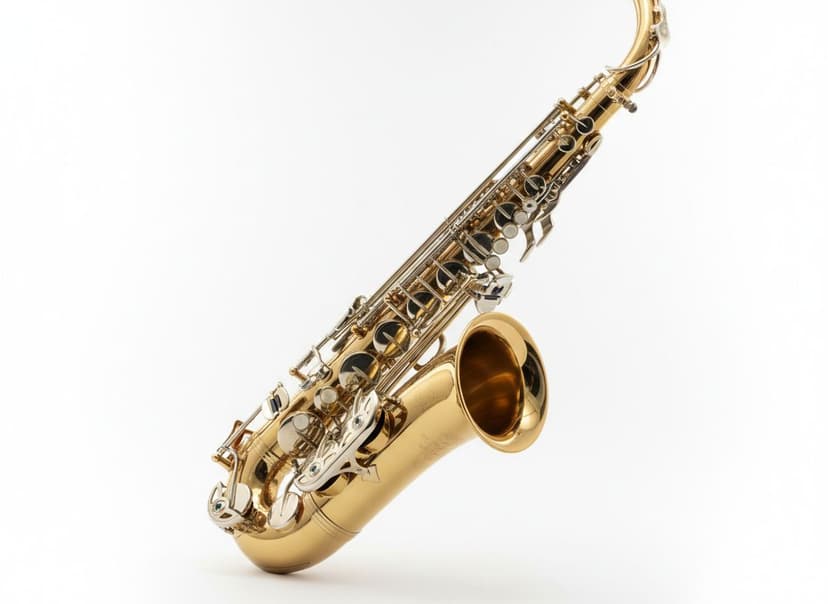
Saxophone values are dominated by one instrument: the Selmer Mark VI, produced from 1954 to 1974, which is widely regarded as the finest saxophone ever made and prices accordingly. A Mark VI tenor in original lacquer can bring eight to twenty thousand dollars depending on serial number range, while a comparable modern professional horn costs five to seven thousand new and depreciates. That inversion drives the entire vintage market. Below the Mark VI sit other American classics, particularly Conn 10M and 6M models and King Super 20s, which have their own followings. Modern professional horns from Yamaha, Yanagisawa, and Selmer Paris hold value reasonably, while student instruments from major brands retain about half their price and off-brand student horns are nearly worthless. The single most consequential condition factor in vintage saxophones is whether the instrument has been relacquered, which removes metal and reduces value by twenty to forty percent.
Brand and model drive everything, with the Selmer Mark VI occupying a tier of its own and serial number ranges within it creating further tiers that collectors track closely. Original lacquer versus relacquer is the largest condition factor in vintage horns, since relacquering involves buffing that removes brass and alters tone, and buyers deduct twenty to forty percent. Pad and mechanical condition determine playability, and a full repad costs $500 to $1,200, which is decisive on student horns and marginal on professional ones. Neck originality matters greatly on vintage Selmers, and a replaced neck substantially reduces value. Engraving condition and completeness matter on American vintage horns where the engraving is part of the appeal. Case and mouthpiece are secondary, though vintage mouthpieces have their own market and a rare one can be worth thousands on its own.
Buying & Selling Tips
Buying
Learn to identify relacquering. Softened engraving detail, buffed-away serial edges, and lacquer over solder joints are the tells.
Check the pads by pressing keys and looking for leaks. A full repad costs $500 to $1,200 and changes the math on any purchase.
Verify the neck is original and matches the body serial on vintage Selmers. Replaced necks reduce value substantially.
Buy a used professional horn over a new intermediate. A used Yamaha 62 at $2,000 outperforms most new horns at that price.
Play-test or have a technician evaluate before buying anything expensive. Photographs cannot reveal mechanical issues.
Selling
State the serial number in the listing. Mark VI buyers in particular search by serial range.
Say explicitly whether the horn is original lacquer or relacquered. Buyers will determine it anyway and honesty prevents returns.
Photograph the engraving, the neck, the pads, and the serial number stamp.
Have a leak test done and mention the result. Playing condition is what separates a quick sale from a long one.
Sell vintage professional horns through specialist dealers or saxophone forums. General marketplaces undervalue them.
Saxophones FAQ
Why is the Selmer Mark VI so expensive?
It is widely considered the finest saxophone ever made, produced from 1954 to 1974, and demand from professionals and collectors far exceeds the surviving supply. Tenors in original lacquer bring $9,000 to $22,000.
Does relacquering reduce a saxophone's value?
Yes, by twenty to forty percent on vintage horns. Relacquering requires buffing that removes brass and softens the engraving, and many players believe it alters the tone.
How much does it cost to repad a saxophone?
A full professional repad runs $500 to $1,200 depending on the instrument and the technician. This is why non-playing student horns are often not worth repairing.
Are old American saxophones good?
Conn 10M and 6M models and King Super 20s from the 1930s to 1950s are highly regarded and bring $2,000 to $8,000 in playing condition with original finish. They are the main alternative to Selmer for vintage buyers.
Is a used student saxophone worth buying?
A used Yamaha YAS-23 at $400 to $800 with good pads is excellent value. Off-brand student horns at $80 to $300 are usually not worth the repair cost when pads fail.
Got Saxophones to Value?
Upload a photo and get a free AI-powered valuation in seconds. No sign-up required.