Last updated: September 2026
How Much More Is a PSA 10 Worth?
Check current market values, learn what affects pricing, and get tips for buying and selling.
← All Sports Cards valuationsWhat do you want to value?
Get the free app for unlimited scans


PSA 10 Graded Cards Price Guide
Current market values based on recent sales data and market trends.
| Item | Condition | Price Range |
|---|---|---|
| Modern base rookie, high pop | PSA 10 vs PSA 9 | 1.5x - 2.5x |
| Modern chrome / prizm rookie | PSA 10 vs PSA 9 | 4x - 12x |
| 1990s refractor | PSA 10 vs PSA 9 | 10x - 40x |
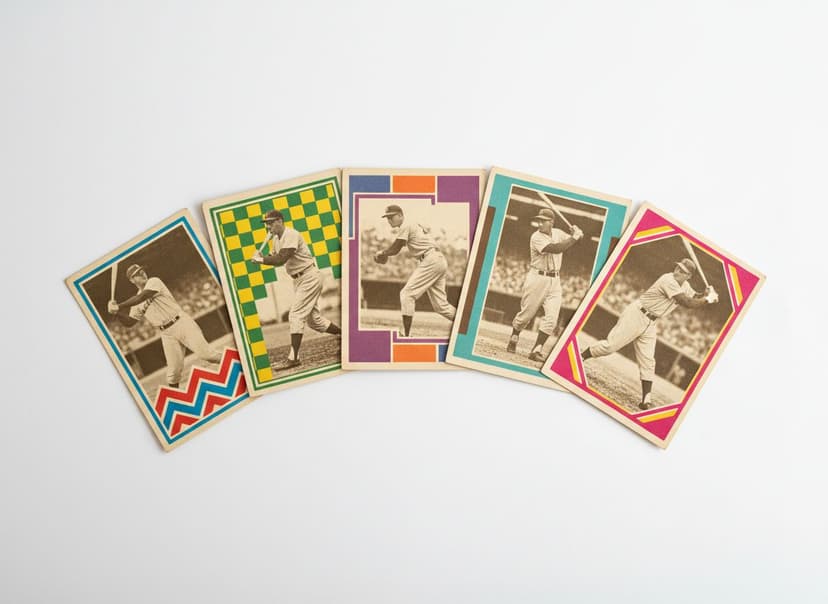
| Vintage pre-1980 card | PSA 10 vs PSA 9 | 8x - 50x |
| Pokemon WOTC holo | PSA 10 vs PSA 9 | 6x - 20x |
| Raw NM card | vs PSA 10 | 15% - 30% of PSA 10 |
| PSA grading fee (economy) | Per card | $19 - $30 |
| PSA grading fee (express) | Per card | $80 - $300 |
| Break-even card value | Economy tier | $80 - $120 |
| Typical gem rate, modern chrome | Submission odds | 15% - 30% |
What Determines PSA 10 Graded Cards Value
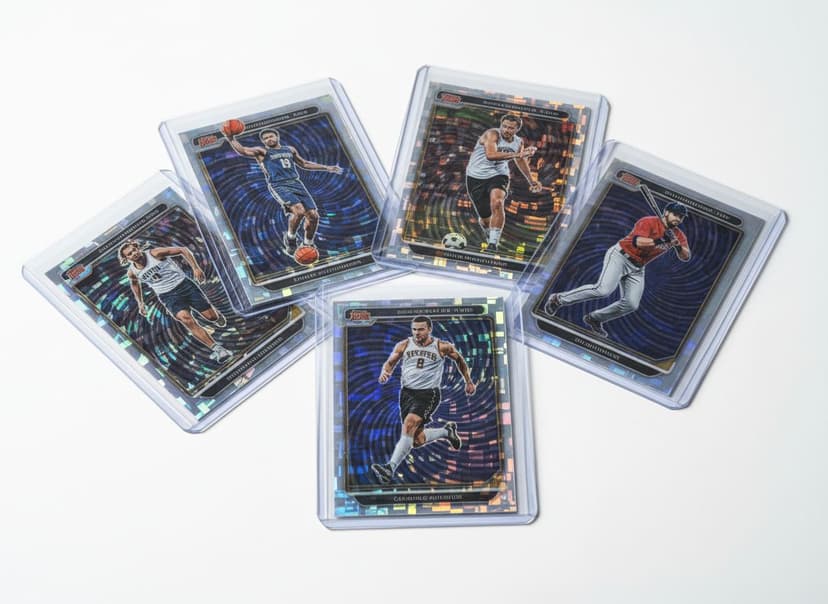
PSA 10 Gem Mint is the grade that defines the modern card market, and understanding the multiplier it creates is more useful than memorizing any individual card price. A PSA 10 means four sharp corners, clean edges, a flawless surface, and centering within roughly 55/45 on the front. The premium it commands is not a fixed percentage; it scales inversely with how many PSA 10s exist for that card. For a common modern base card where half of all submissions gem, the PSA 10 might be worth double a PSA 9. For a 1990s chrome or refractor card where the population report shows only a handful of tens, the multiplier can exceed thirty times. This guide is about the multiplier itself, because knowing when a grade adds value and when it destroys it through fees is the difference between profitable submitting and expensive collecting.
Population is the real driver behind every PSA 10 premium. Two cards with identical raw prices can have wildly different gem multipliers purely because one was cut better at the factory. Always check the PSA population report before submitting, since a card with 8,000 existing tens has almost no scarcity left. Surface technology matters enormously: chrome, refractor, and prizm finishes scratch during packaging, which is why their gem rates sit far below matte cardstock. Centering is the most common single reason a card grades 9 instead of 10, and it is visible before you submit. Era matters because older cards accumulate handling damage, so vintage gems are structurally scarce. Finally, the multiplier is not stable over time; as populations grow with continued submissions, PSA 10 premiums on modern cards compress steadily.
Buying & Selling Tips
Buying
Check the population report before paying a gem premium. A PSA 10 with thousands of copies is not scarce and its premium will erode.
Buy PSA 9 on cards where the gem multiplier is under three times. You get most of the eye appeal for a fraction of the price.
For vintage, consider PSA 7 and 8. Those grades often represent the best value per dollar because the gem market is priced for registry collectors.
Verify the cert number on the PSA website. Slab counterfeiting and label swapping both exist.
Watch for qualifiers such as OC, MK, or ST on the label. A PSA 10 OC is not a true gem and trades far below a clean ten.
Selling
Only submit cards worth more than roughly $100 raw. Below that, fees and the risk of a 9 usually erase the profit.
Pre-screen your own centering with a ruler or app. Sending obviously off-center cards is the most common way collectors lose money on grading.
Sell PSA 10s of high-population cards sooner rather than later. Populations only grow, and premiums shrink as they do.
List the cert number in your description. It lets serious buyers verify instantly and measurably increases sale rates.
Ship slabs in a snug bubble mailer inside a box with corner protection. A cracked slab requires resubmission and voids the grade premium.
PSA 10 Graded Cards FAQ
How much more is a PSA 10 worth than a PSA 9?
It varies from about 1.5 times for high-population modern base cards to over 40 times for vintage and 1990s refractors with tiny gem populations. The multiplier is driven almost entirely by how many PSA 10s already exist for that specific card.
Is it worth grading a card?
Generally only if the raw card is worth at least $80 to $120 and looks genuinely near mint. Economy grading costs $19 to $30 per card plus shipping, and a grade of 9 instead of 10 can leave you worse off than selling raw.
What does PSA 10 actually mean?
Gem Mint: four sharp corners, no edge wear, a clean surface with no print defects or scratches, and centering within approximately 55/45 on the front and 75/25 on the back. It is not required to be perfect, only to meet those thresholds.
Why do some cards almost never get a PSA 10?
Chrome, refractor, and prizm surfaces pick up microscopic scratches during factory packaging, and black-bordered cards show any edge wear immediately. Those production realities cap gem rates at a small percentage regardless of how carefully the card was handled.
Do PSA 10 prices go down over time?
For modern cards, usually yes. Every new submission adds to the population, which reduces scarcity and compresses the premium. Vintage PSA 10s are more stable because the supply of gradable raw copies is effectively fixed.
Got PSA 10 Graded Cards to Value?
Upload a photo and get a free AI-powered valuation in seconds. No sign-up required.