Last updated: September 2026
How Much Is a Fur Coat Worth?
Check current market values, learn what affects pricing, and get tips for buying and selling.
← All Fur Coats valuationsWhat do you want to value?
Get the free app for unlimited scans


Fur Coats Price Guide
Current market values based on recent sales data and market trends.
| Item | Condition | Price Range |
|---|---|---|
| Russian sable coat, recent | Excellent | $8,000 - $40,000 |
| Chinchilla coat, recent | Excellent | $3,000 - $15,000 |
| Lynx or bobcat coat | Excellent | $1,500 - $8,000 |
| Mink coat, under 15 years | Excellent | $500 - $2,500 |
| Mink coat, 20+ years | Good | $100 - $500 |
| Fox coat or jacket | Good | $80 - $600 |
| Rabbit or sheared beaver | Good | $30 - $200 |
| Designer fur (Fendi, Dior) | Excellent | $1,500 - $12,000 |
| Any fur with dried or split pelts | Poor | $0 - $80 |
| Fur sold for remodeling | Any | $50 - $300 |
What Determines Fur Coats Value
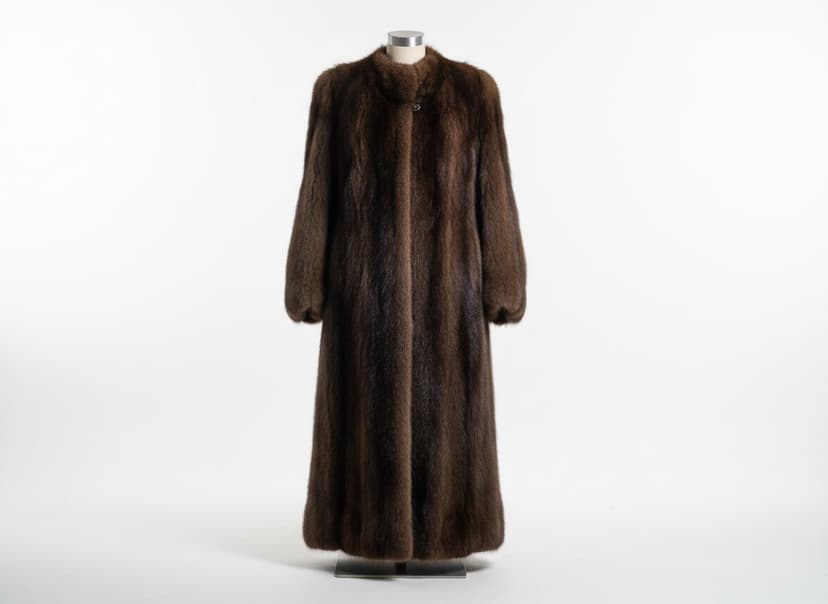
Fur coat resale is dominated by one uncomfortable fact: the market has shrunk dramatically over the past two decades, and most inherited coats are worth a small fraction of what the original owner paid. A mink coat that cost $8,000 in 1985 typically resells for $150 to $600 today. Three forces drive this. Demand has fallen sharply in Western markets for ethical reasons, several major retailers and cities have banned fur sales, and pelts dry out and split with age regardless of storage, which limits the useful life of a coat to roughly thirty to forty years. Value concentrates in a narrow band: newer coats under fifteen years old, high-end species such as sable, chinchilla, and lynx, and pieces from recognized furriers or fashion houses. Vintage fur has found a second life in the reworked and upcycled market, where coats are cut down into vests, pillows, and trim, and that is often the realistic exit for an older piece.
Species is the first determinant and the spread is enormous, from sable and chinchilla at the top to rabbit at the bottom. Age is the second and it is unforgiving, since the leather backing of a pelt dries out and cracks over decades regardless of care. A coat over thirty years old is usually worth its remodeling value at best. Condition is judged by flexing the pelt gently at a seam; a sound coat feels supple while a degraded one crackles or tears. Storage history matters enormously, and coats kept in professional cold storage survive far longer than those in a closet. Style currency is a real factor because full-length 1980s coats read as dated and sell for far less than shorter, more contemporary cuts. Designer labels from Fendi, Dior, or a recognized furrier add substantial value. Finally, local law matters: several jurisdictions have banned fur sales entirely, which limits where a coat can be sold.
Buying & Selling Tips
Buying
Flex the pelt at a seam. A crackling or stiff feel means the leather backing has dried and the coat is near the end of its life.
Check the label for the furrier and species. Reputable furrier labels indicate quality construction and higher-grade pelts.
Look for bald patches around the collar, cuffs, and under the arms. Those are the first areas to wear and they cannot be repaired invisibly.
Prefer shorter, contemporary cuts. Full-length 1980s styles sell for far less regardless of pelt quality.
Confirm your local regulations before buying to resell. Several cities and states restrict fur sales entirely.
Selling
Set realistic expectations. Original purchase price has almost no bearing on current value, and most inherited coats bring under $500.
Have the coat evaluated by a furrier before listing. They can assess pelt condition in a way photographs cannot.
Consider consignment with a specialist fur dealer. They reach the remaining buyer base far better than general marketplaces.
Explore the remodeling market. Cutting a degraded coat into vests, pillows, or trim often realizes more than selling it whole.
Photograph the interior lining and label alongside the exterior. Buyers assess construction quality from the inside.
Fur Coats FAQ
How much is an old mink coat worth?
A mink coat over twenty years old typically brings $100 to $500 regardless of what it originally cost. Newer mink coats in excellent condition reach $500 to $2,500. Age and pelt condition matter far more than the original price.
Why are fur coats worth so little now?
Demand has fallen sharply in Western markets, several jurisdictions have banned fur sales, and pelts dry out and crack with age. A coat that cost $8,000 in the 1980s commonly resells for a few hundred dollars.
Which fur is the most valuable?
Russian sable is the most valuable by a wide margin, with recent coats reaching $8,000 to $40,000. Chinchilla and lynx follow. Mink, despite its reputation, sits in the middle, and rabbit is at the bottom.
How can I tell if a fur coat is still good?
Gently flex the pelt at an inside seam. Supple leather that bends without noise indicates a sound coat, while crackling, stiffness, or small tears mean the backing has dried out and the coat cannot be restored.
What can I do with an old fur coat that will not sell?
Remodeling is the practical option. Furriers cut degraded coats into vests, throw pillows, teddy bears, and garment trim, and that market often pays more than selling the coat whole.
Got Fur Coats to Value?
Upload a photo and get a free AI-powered valuation in seconds. No sign-up required.