Last updated: September 2026
How Much Is a Used DJI Drone Worth?
Check current market values, learn what affects pricing, and get tips for buying and selling.
← All Drones valuationsWhat do you want to value?
Get the free app for unlimited scans


DJI Drones Price Guide
Current market values based on recent sales data and market trends.
| Item | Condition | Price Range |
|---|---|---|
| DJI Mini 4 Pro, Fly More combo | Excellent | $620 - $820 |
| DJI Mini 4K / Mini 3 | Excellent | $230 - $380 |
| DJI Air 3S, Fly More combo | Excellent | $780 - $1,050 |
| DJI Mavic 3 Pro | Excellent | $1,100 - $1,600 |
| DJI Mavic 3 Classic | Good | $700 - $1,000 |
| DJI Avata 2 | Excellent | $400 - $580 |
| DJI Mavic 2 Pro | Good | $450 - $700 |
| Intelligent Flight Battery, healthy | Under 60 cycles | $70 - $140 |
| Any drone with gimbal damage | Flies | 40% - 60% of clean |
| Drone with crash history disclosed | Repaired | 20% - 35% below clean |
What Determines DJI Drones Value
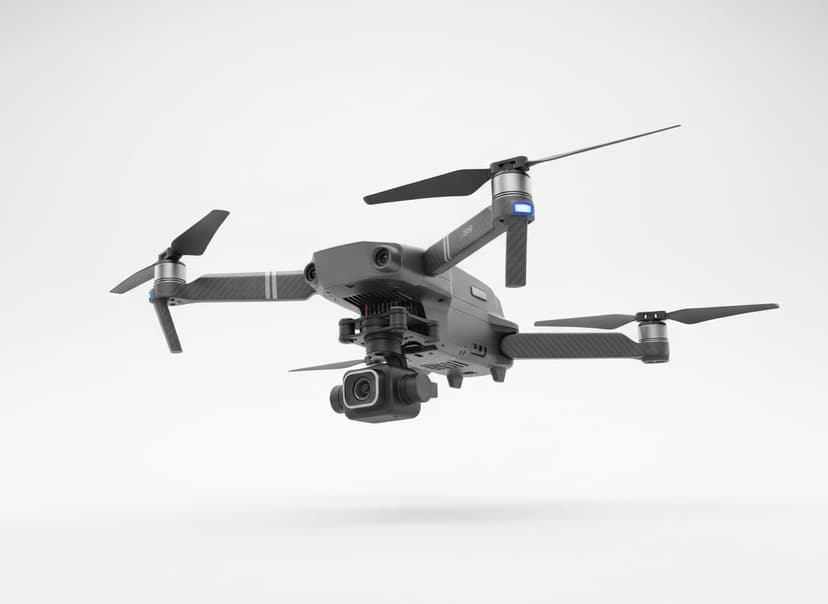
DJI dominates the consumer drone market so completely that its model naming effectively defines the category, and resale values follow a clear structure. Drones depreciate roughly thirty-five to forty-five percent in the first year, then more slowly, and the curve is steepened by DJI's rapid release cadence which brings a new model in most lines annually. The sub-250 gram Mini series holds value best because in most jurisdictions it avoids registration requirements, which broadens the buyer pool considerably. Battery condition is the defining variable in this category, because intelligent flight batteries degrade with cycles and cost $90 to $200 each to replace, so a drone sold with three healthy batteries is worth substantially more than the same drone with one tired one. Crash history is the risk buyers price in hardest, and gimbal damage is the most consequential form since gimbal repair is expensive and often exceeds the value of older models.
Model generation and camera capability set the price bands, and DJI's annual release cycle means each generation drops noticeably when its successor ships. Weight class matters enormously in a way unique to drones, since the sub-250 gram Mini series avoids registration in most jurisdictions and therefore appeals to a much larger buyer base. Battery count and health together often represent a third of the total value on older models, and buyers check cycle counts through the DJI app. Flight hours logged in the app are visible to any buyer who checks and heavily used airframes are discounted. Crash history is the largest risk factor, with gimbal and motor damage the most consequential. Included accessories matter: the Fly More combo with extra batteries, charging hub, and case adds several hundred dollars. Finally, regulatory changes and import restrictions have periodically affected DJI availability and pushed used prices up unpredictably.
Buying & Selling Tips
Buying
Check battery cycle counts in the DJI Fly app before buying. Batteries over 150 cycles are near the end of their useful life.
Review the flight log for crash events. The app records hard landings and the seller cannot easily erase them.
Test the gimbal through its full range on power-up. Grinding, drift, or a failure to initialize indicates expensive damage.
Prefer sub-250 gram models if you value flexibility. Registration and airspace rules are simpler and resale demand is broader.
Buy the Fly More combo rather than the base drone. Extra batteries alone justify the price difference on resale.
Selling
Include every battery and state their cycle counts. Battery condition is the first thing informed buyers ask about.
Unbind the drone from your DJI account before shipping. A bound drone limits the buyer's ability to activate it.
Disclose any crash history. Flight logs make it discoverable and undisclosed damage leads to reversed sales.
Photograph the gimbal, props, and arm joints closely. Those are the areas buyers scrutinize for impact damage.
Sell before the next model announcement. DJI's annual cadence means values step down sharply on release day.
DJI Drones FAQ
How much do DJI drones depreciate?
Roughly thirty-five to forty-five percent in the first year, then more gradually. DJI's annual release cadence causes a noticeable step down each time a successor model ships.
Why do sub-250 gram drones hold value better?
In most countries, drones under 250 grams avoid registration requirements and face lighter regulation. That broadens the buyer pool substantially, which supports resale prices for the Mini series.
How do I check a used drone's battery health?
Connect the drone to the DJI Fly app and view the battery details, which show cycle count and cell voltages. Batteries over 150 cycles or with imbalanced cells are near the end of their life.
Can you tell if a drone has been crashed?
Yes. The DJI app records flight logs including hard landings and impacts, and physical signs include scuffed arms, mismatched shell panels, and gimbal drift. Buyers routinely check the logs before purchase.
Is a used drone with gimbal damage worth buying?
Only at a steep discount. Gimbal repair costs $200 to $500 through DJI, which can exceed the value of an older model, so a damaged unit is typically worth forty to sixty percent of a clean one.
Got DJI Drones to Value?
Upload a photo and get a free AI-powered valuation in seconds. No sign-up required.