Last updated: September 2026
How Much Is a Wedding Dress Worth?
Check current market values, learn what affects pricing, and get tips for buying and selling.
← All Wedding Dresses valuationsWhat do you want to value?
Get the free app for unlimited scans


Designer Wedding Dresses Price Guide
Current market values based on recent sales data and market trends.
| Item | Condition | Price Range |
|---|---|---|
| Vera Wang gown | Excellent, cleaned | $1,800 - $5,000 |
| Monique Lhuillier gown | Excellent, cleaned | $1,400 - $4,000 |
| Oscar de la Renta / Elie Saab | Excellent | $2,500 - $9,000 |
| Pronovias / Rosa Clara | Excellent | $600 - $1,800 |
| BHLDN / Anthropologie | Excellent | $250 - $700 |
| David's Bridal | Excellent | $80 - $250 |
| Unworn sample sale gown, designer | New with tags | 40% - 60% of retail |
| Vintage 1950s-70s gown | Excellent | $200 - $1,500 |
| Any gown with hem staining | Good | 40% - 60% of clean |
| Heavily altered gown | Excellent | 50% - 70% of unaltered |
What Determines Designer Wedding Dresses Value
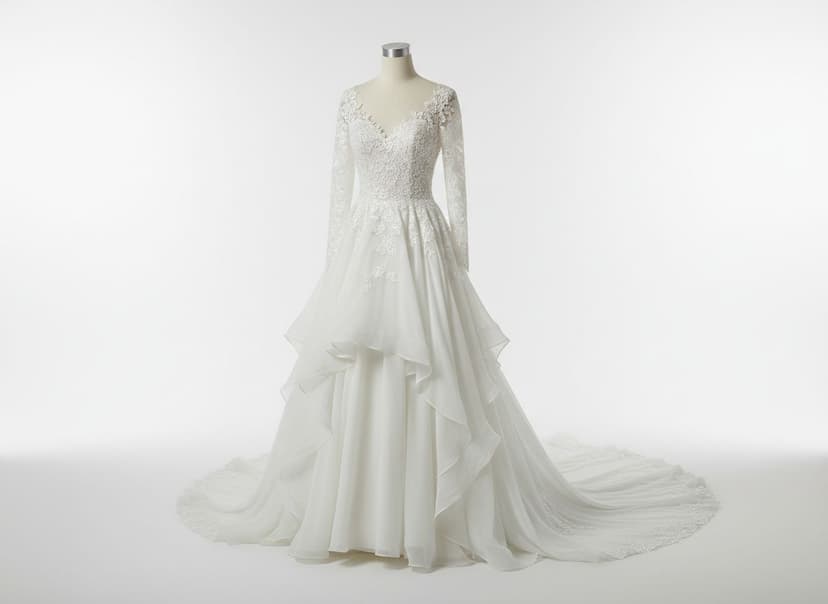
Wedding dress resale is one of the steepest depreciation curves in fashion, and understanding why prevents disappointment. A dress worn once for eight hours might seem nearly new, but the market treats it as a used, altered, single-size garment with an emotionally loaded history. Typical resale runs thirty to fifty percent of retail for a recognized designer in excellent condition, and twenty to thirty percent for unbranded or department store gowns. Designer name is the largest single variable, with Vera Wang, Monique Lhuillier, Oscar de la Renta, and Elie Saab holding value best. The condition of the hem and train matters more than anything else, since dirt, tears, and stains accumulate there during a reception. Alterations are a double-edged factor: they make the dress fit one specific body, narrowing the buyer pool, but a professionally altered dress with the original fabric retained can be let back out. Preservation cleaning is worth doing but does not pay for itself.
Designer recognition drives the base price and creates the difference between a dress that sells in a week and one that sits for a year. Condition centers on the hem and train, where reception wear concentrates, followed by underarm staining and any repairs to beading or lace. Cleaning status matters: a professionally cleaned dress with documentation sells faster and higher, though the $200 to $500 cleaning cost is rarely fully recovered. Alteration extent affects the buyer pool, and gowns where the original seam allowance was retained are more valuable because they can be resized. Size is significant since wedding dresses are cut to specific measurements and cannot be adjusted much beyond a size or two. Style currency matters more than in most clothing categories because bridal trends move in clear cycles and a gown from a decade ago reads as dated. Original garment bag, receipt, and designer tags all support the price.
Buying & Selling Tips
Buying
Buy from resale rather than retail if budget matters. A near-new designer gown at forty percent of retail is the single biggest saving in wedding planning.
Ask for hem and train photographs specifically. That is where damage hides and sellers rarely photograph it unprompted.
Request the actual measurements rather than the size tag. Bridal sizing runs small and inconsistently between designers.
Confirm whether the alterations left seam allowance. Without it, the gown cannot be let out and your fitting options are limited.
Factor in cleaning and alteration cost, typically $300 to $900 combined, when comparing to retail.
Selling
Have the gown professionally cleaned and keep the receipt. It will not pay for itself directly but it significantly speeds up the sale.
Photograph the dress on a mannequin or hanger in natural light, plus detail shots of the hem, train, bodice, and any damage.
List the designer, style name, and style number. Buyers search by style number and it is printed on the interior tag.
Sell within two years of the wedding. Bridal styles date quickly and every year reduces the price.
Use dedicated bridal resale platforms rather than general marketplaces. The buyer intent is completely different.
Designer Wedding Dresses FAQ
How much can I sell my wedding dress for?
Typically thirty to fifty percent of retail for a recognized designer in excellent condition, and twenty to thirty percent for unbranded gowns. Never-worn sample gowns reach forty to sixty percent.
Does professional cleaning increase a wedding dress's resale value?
It increases how quickly the dress sells and reduces buyer hesitation, but the $200 to $500 cost is rarely fully recovered in the price. It is worth doing primarily to make the dress sellable at all if the hem is soiled.
Which wedding dress designers hold value best?
Oscar de la Renta, Elie Saab, Vera Wang, and Monique Lhuillier retain the most, often thirty-five to fifty percent of retail. Mass-market brands like David's Bridal retain the least, often under fifteen percent.
Do alterations hurt resale value?
Yes, by roughly thirty percent, because the gown fits one specific body. If the seamstress retained the original seam allowance the dress can be let back out, which mitigates much of the loss and should be disclosed.
Where is the best place to sell a wedding dress?
Dedicated bridal resale platforms attract buyers actively shopping for gowns and consistently outperform general marketplaces. Consignment through a local bridal boutique is slower but reaches buyers who want to try the dress on.
Got Designer Wedding Dresses to Value?
Upload a photo and get a free AI-powered valuation in seconds. No sign-up required.