Last updated: September 2026
How Much Is Art Pottery Worth?
Check current market values, learn what affects pricing, and get tips for buying and selling.
← All Pottery valuationsWhat do you want to value?
Get the free app for unlimited scans


Art Pottery Price Guide
Current market values based on recent sales data and market trends.
| Item | Condition | Price Range |
|---|---|---|
| Rookwood, artist-signed vellum vase | Excellent | $800 - $8,000 |
| Rookwood, standard production piece | Excellent | $150 - $600 |
| Newcomb College pottery | Excellent | $1,500 - $25,000 |
| Grueby matte green vase | Excellent | $1,200 - $15,000 |
| Roseville, popular pattern vase | Excellent | $120 - $600 |
| Roseville, common pattern | Excellent | $40 - $150 |
| Weller, hand-decorated line | Excellent | $150 - $1,200 |
| Van Briggle, pre-1920 | Excellent | $200 - $2,000 |
| Any piece with hairline or restoration | Repaired | 25% - 50% of perfect |
| Reproduction Roseville | Any | $10 - $40 |
What Determines Art Pottery Value
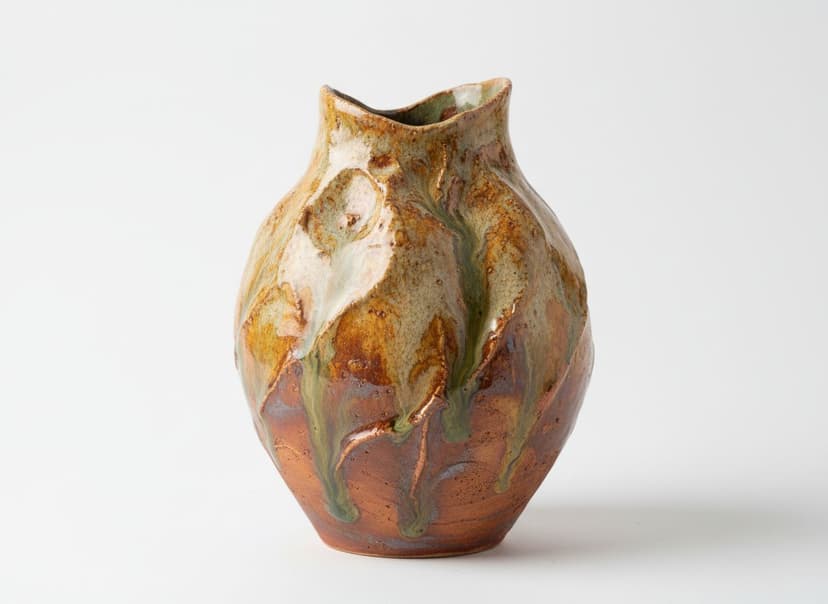
American art pottery from roughly 1880 to 1950 is one of the more stable antique categories, because the best pieces are genuinely handmade art objects rather than mass-produced decoratives. The makers form a clear hierarchy. Rookwood, Newcomb College, Grueby, and Marblehead sit at the top, with hand-decorated pieces by named artists reaching five figures. Roseville and Weller occupy the middle, having produced both molded commercial lines and finer hand-decorated work, and their prices vary enormously by line and pattern. Van Briggle and Fulper are collected for their glazes. The defining practical problem in this market is reproduction Roseville, which flooded the market from the late 1990s onward and is convincing enough that many dealers have been fooled. Learning the differences in mark quality, weight, and glaze depth is essential. Condition standards are strict, and hairline cracks, chips, and professional restoration all reduce value substantially.
Maker and line establish the price tier, and within any maker the distinction between hand-decorated and molded commercial production is the largest single factor. Artist signature matters enormously at Rookwood and Newcomb, where individual decorators have their own followings and price levels. Pattern and form drive value within Roseville and Weller, with certain patterns commanding many times others. Glaze quality and color are assessed directly, and crystalline, matte, and iridescent glazes each have their own collector bases. Condition standards are strict: hairlines, chips, grinding chips at the base, and professional restoration all reduce value, and buyers routinely inspect with a blacklight since restoration fluoresces differently from original glaze. Marks are used for both dating and authentication, and the reproduction problem in Roseville makes mark quality a primary check. Size matters, with larger pieces generally worth more within any line.
Buying & Selling Tips
Buying
Bring a blacklight. Professional restoration fluoresces differently from original glaze and is otherwise very hard to detect.
Learn the reproduction Roseville tells. Fakes are heavier, have blurry raised marks, and lack the glaze depth of originals.
Check for artist signatures on Rookwood and Newcomb. A named decorator can multiply the value several times.
Run a finger around the base and rim for grinding chips. They are common and often not mentioned in listings.
Buy hand-decorated over molded pieces. The gap in both quality and value is substantial.
Selling
Photograph the base mark clearly along with any artist cipher. Those identify maker, date, and decorator.
Disclose all damage and restoration. Art pottery buyers use blacklights and undisclosed repairs reliably cause returns.
Name the maker, line, and pattern in the title. Collectors search by specific pattern names.
Sell top-tier pieces through specialist auctions. General marketplaces do not reach Rookwood and Newcomb collectors.
Pack with the piece suspended in cushioning, not resting on the base. Base and rim damage in transit is common.
Art Pottery FAQ
Which American art pottery is the most valuable?
Newcomb College and Grueby lead, with fine examples reaching $15,000 to $25,000. Artist-signed Rookwood vellum and iris glaze pieces also reach five figures. Roseville and Weller are the mid tier.
How can I spot fake Roseville pottery?
Reproductions are noticeably heavier, have raised marks that appear blurry or soft rather than crisply molded, and lack the depth and subtlety of original glazes. The fakes flooded the market from the late 1990s and are widespread.
Does restoration hurt art pottery value?
Substantially, reducing it to roughly twenty-five to fifty percent of a perfect example. Restoration is detected with a blacklight, since modern fills and overpaint fluoresce differently from original glaze.
What makes Rookwood pottery valuable?
Hand decoration by named artists is the main driver. Rookwood employed individual decorators who signed their work with ciphers, and pieces by sought-after artists in vellum or iris glazes bring $800 to $8,000 or more.
Is all Roseville pottery valuable?
No. Roseville produced many patterns in large quantities and common ones sell for $40 to $150. Sought-after patterns like Pine Cone, Sunflower, and Futura bring $120 to $600 and higher for large or unusual forms.

Got Art Pottery to Value?
Upload a photo and get a free AI-powered valuation in seconds. No sign-up required.