Last updated: September 2026
How Much Does Botox Cost?
Botox costs $10-$20 per unit in 2026, with most treatment areas requiring 20-60 units. Forehead lines average $200-$400, crow's feet $200-$400, and frown lines (11s) $200-$400. Enter your treatment details for a personalized cost estimate.
Get the free app for unlimited scans


Botox Value Calculator
Fill in the details below for an accurate estimate
Why Knowing Your Botox Value Matters
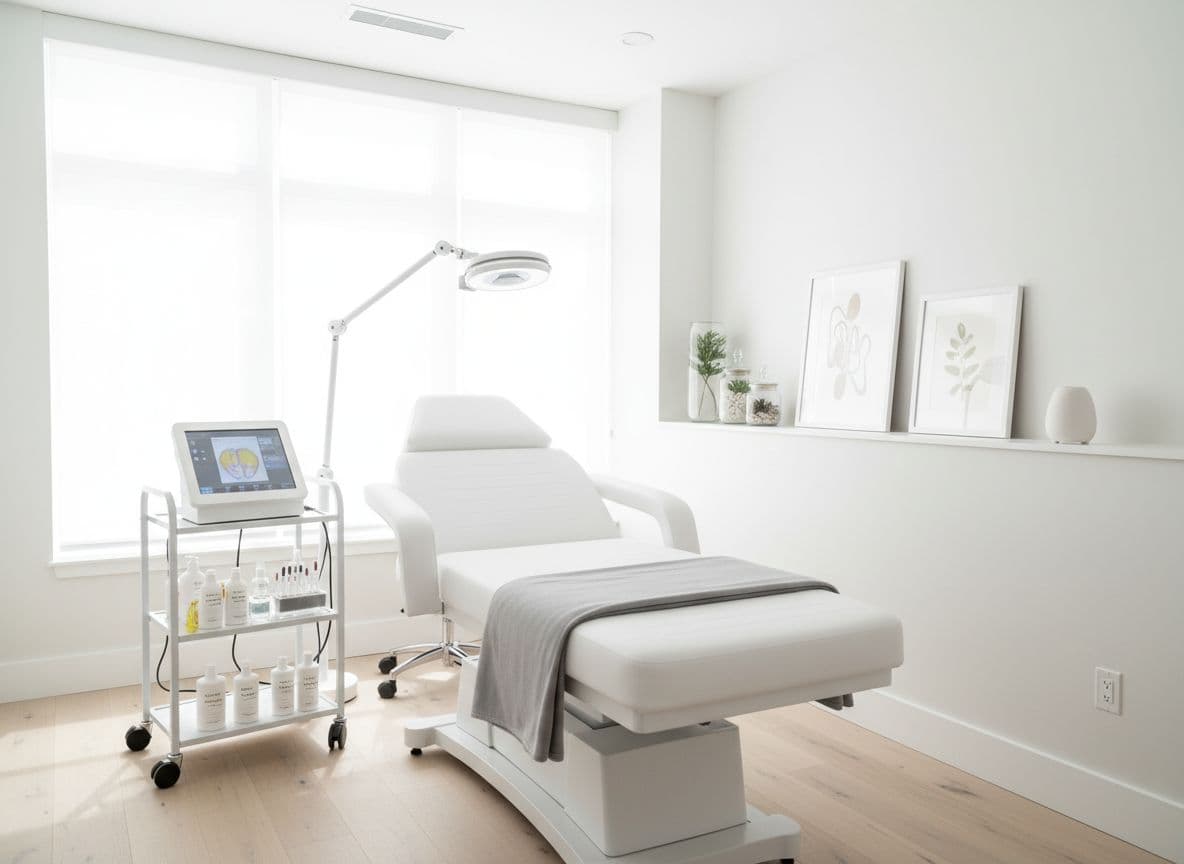
Botox is the most popular minimally invasive cosmetic procedure in the world, with over 7 million treatments annually in the US alone. Pricing varies significantly by provider, location, and pricing model (per unit vs. per area). Understanding how pricing works helps you budget for ongoing treatments (Botox lasts 3-4 months), compare providers fairly, and avoid overpaying. Some medspas charge $400 for what another charges $250. And the product and results may be identical.
Key Factors That Affect Botox Value
Understanding what drives the price of botox helps you get the most accurate valuation.
Cost Per Unit
Botox: $10-$20/unit. Dysport: $4-$6/unit (but requires 2.5-3x more units). Xeomin: $10-$18/unit. Jeuveau: $8-$15/unit. Most providers charge per unit, but some offer flat per-area pricing. Per-unit pricing is more transparent and allows you to compare accurately.
Treatment Area & Units
Forehead lines: 10-30 units ($100-$600). Frown lines/11s: 15-25 units ($150-$500). Crow's feet: 12-24 units ($120-$480). Lip flip: 4-8 units ($40-$160). Bunny lines: 5-10 units ($50-$200). Jawline/masseter: 40-60 units ($400-$1,200). Most patients treat 2-3 areas per visit.
Provider Type
Dermatologists and plastic surgeons: $12-$20/unit. Highest expertise. Nurse practitioners/PAs: $10-$15/unit. Good value with medical oversight. Medspas: $8-$15/unit. Prices vary widely, quality varies. Choose providers who inject regularly and understand facial anatomy.
Geographic Location
Major cities (NYC, LA, Miami): $15-$25/unit. Suburbs: $10-$18/unit. Rural areas: $8-$15/unit.competition between medspas in certain areas drives prices down. New patient specials and membership programs can reduce costs 10-30%.
Frequency & Maintenance
Botox lasts 3-4 months, requiring 3-4 treatments per year. Annual cost for maintenance: $600-$2,400+ depending on areas treated. Some patients find they need fewer units over time as muscles weaken. Loyalty programs (Allē, Aspire) offer savings of $40-$100 per treatment.
Tips for Valuing Botox
Get the most accurate estimate by following these tips when evaluating your botox.
Ask for per-unit pricing so you can compare providers accurately
Start conservatively. You can always add more units at a follow-up
Sign up for Allē (Botox) or Aspire (Dysport) loyalty programs for savings
Book follow-up appointments before your current treatment fully wears off for best results
Botox Market Insights
The injectable neuromodulator market continues to grow at 8-10% annually.competition from Dysport, Xeomin, Jeuveau, and newer entrants has created more pricing options for patients. The trend toward preventive Botox ('baby Botox') in younger patients (25-35) has expanded the market significantly. Membership-based medspas offering monthly plans ($150-$300/month) have made regular treatments more accessible. Allergan's Allē loyalty program and Galderma's Aspire program offer meaningful savings for repeat patients.
Notable Botox Values
Real-world examples of what specific botox have sold for, so you can benchmark your own.
| Botox | Condition | Typical Value |
|---|---|---|
| Forehead Lines (Frontalis) | Per Treatment | $150 - $350 |
| Glabellar Lines (11s / Frown Lines) | Per Treatment | $200 - $400 |
| Crow's Feet (Lateral Canthal Lines) | Per Treatment | $150 - $300 |
| Brow Lift (Chemical Brow Lift) | Per Treatment | $75 - $200 |
| Bunny Lines (Nasalis) | Per Treatment | $50 - $150 |
| Lip Flip (Orbicularis Oris) | Per Treatment | $75 - $200 |
| Masseter / Jaw Slimming (Bruxism) | Per Treatment | $400 - $900 |
| Hyperhidrosis (Underarm Sweating) | Per Treatment | $500 - $1,500 |
| Full-Face Preventative Package | Per Treatment | $600 - $1,200 |
Based on published clinic menus, American Society of Plastic Surgeons cost reports, and RealSelf community pricing data.
Find Out What Your Botox Are Worth
Upload a photo now and get a free AI-powered valuation in seconds. No sign-up required.
Botox Valuation FAQ
How much does Botox cost for forehead?
Forehead Botox typically costs $200-$600 per treatment, using 10-30 units at $10-$20/unit. Most providers also recommend treating frown lines (glabellar/11s) alongside the forehead for a natural result, adding $150-$500 more. Total for forehead + frown lines: $350-$1,100.
How often do you need Botox?
Botox lasts 3-4 months for most patients. First-time patients often see shorter duration (2-3 months). With regular treatments, some patients find results last longer (4-6 months) as the treated muscles weaken over time. Budget for 3-4 treatments per year.
Is Botox or Dysport cheaper?
Dysport is priced lower per unit ($4-$6 vs $10-$20) but requires approximately 2.5-3x more units per treatment area. The total cost per treatment is usually similar. Some patients prefer one over the other based on onset speed (Dysport acts faster) or spread pattern.
Can I use HSA/FSA for Botox?
Cosmetic Botox is generally NOT eligible for HSA/FSA. However, Botox for medical conditions (chronic migraines, TMJ, hyperhidrosis) IS eligible and often covered by insurance. If you have a qualifying medical condition, ask your provider about medical billing.
What's the best age to start Botox?
There's no universal 'best' age. Preventive Botox typically starts in the late 20s to early 30s when fine lines first appear with facial movement. Treating early can prevent deep wrinkles from forming. However, starting at any age provides benefits. Botox works on established lines too, though results may be less dramatic.
Value anything, anytime
Unlimited valuations, saved history and full reports in the free app.