Last updated: September 2026
How Much Are Vintage Star Wars Figures Worth?
Check current market values, learn what affects pricing, and get tips for buying and selling.
← All Star Wars Collectibles valuationsWhat do you want to value?
Get the free app for unlimited scans


Vintage Star Wars Figures Price Guide
Current market values based on recent sales data and market trends.
| Item | Condition | Price Range |
|---|---|---|
| Rocket-firing Boba Fett prototype | Unpainted, AFA graded | $100,000 - $250,000 |
| Vinyl Cape Jawa, carded 12-back | AFA 80+ | $20,000 - $50,000 |
| Vinyl Cape Jawa, loose complete | Excellent | $1,500 - $4,000 |
| Luke Skywalker, carded 12-back | Unpunched, AFA 75+ | $6,000 - $20,000 |
| Darth Vader, carded 12-back | AFA 75+ | $5,000 - $18,000 |
| Common figure, carded 1980s | Unpunched, good card | $100 - $600 |
| Common figure, loose complete | Excellent | $8 - $45 |
| Boba Fett, loose complete | Excellent | $120 - $350 |
| Yak Face (Power of the Force) | Loose complete | $150 - $500 |
| Any figure with reproduction accessory | Loose | 30% - 50% of original |
What Determines Vintage Star Wars Figures Value
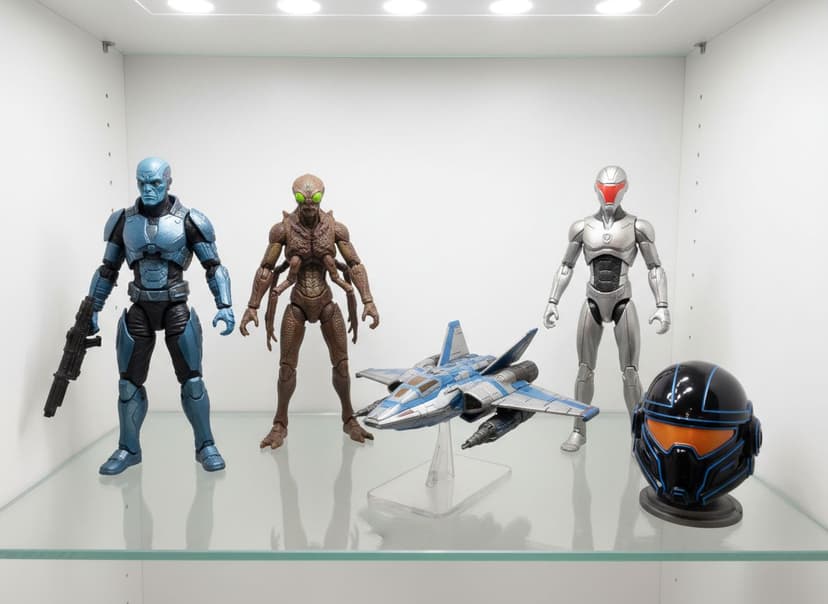
Kenner's 3.75-inch Star Wars line ran from 1977 to 1985 and created the modern action figure collecting market. Values are determined by a small number of variables that experienced collectors assess instantly. Carded versus loose is the largest, with a figure still sealed on its original cardback worth ten to fifty times the same figure loose. Cardback generation matters within that, and collectors identify them by the number of figures pictured on the back, running from 12-back through 92-back. The earliest 12-back cards from 1978 command enormous premiums. Among loose figures, completeness with the correct original accessories is decisive, since a Luke without his lightsaber or a Boba Fett without his rifle loses most of its value. The genuine rarities are few: the vinyl cape Jawa, the rocket-firing Boba Fett prototype that never reached retail, and certain foreign-market variants. Reproduction accessories and cardbacks are widespread and must be identified.
Carded status is the largest single multiplier, and within carded figures the cardback generation, whether the hang tab is punched, and the AFA grade all matter enormously. For loose figures, completeness with correct original accessories is decisive, and collectors can identify reproduction weapons by mold sharpness and plastic color. Figure condition covers paint wear on the face and details, joint tightness since loose limbs reduce value, and any sun fading. Country of origin markings affect value because Kenner licensed production to various regions and some foreign variants are scarcer than domestic. Coo marks, the small country of origin stamps on the leg, are used for detailed identification. Bubble condition on carded figures matters as much as the card itself, since yellowed or crushed bubbles reduce grade sharply. Finally, AFA grading has become standard at the high end and ungraded carded figures sell at a discount.
Buying & Selling Tips
Buying
Learn to identify reproduction accessories. Repro lightsabers and blasters are everywhere and are the most common way buyers overpay.
Check whether a carded figure's hang tab is punched. Unpunched cards command significant premiums.
Count the figures on the cardback to determine the generation. A 12-back is worth many times a 79-back of the same character.
Inspect the bubble on carded figures for yellowing and crush. Bubble condition drives the AFA grade as much as the card.
For high-value purchases, buy AFA graded. The market above a few thousand dollars is effectively graded-only.
Selling
Never remove a figure from its card. Opening a carded figure destroys the majority of its value instantly.
Photograph the cardback, the bubble from multiple angles, and any coo marks. Collectors identify and grade from these.
Disclose reproduction accessories explicitly. Experienced buyers spot them and undisclosed repros reliably cause disputes.
Sell complete loose figures individually and incomplete ones in lots. The completeness premium is large.
Consider AFA grading for early carded figures. The grade premium typically exceeds the submission cost at that level.
Vintage Star Wars Figures FAQ
What is the most valuable vintage Star Wars figure?
The rocket-firing Boba Fett prototype, recalled before release for safety reasons, is the most valuable at $100,000 to $250,000 for graded examples. Among released figures, a carded vinyl cape Jawa on a 12-back leads at $20,000 to $50,000.
What does 12-back mean on a Star Wars card?
It refers to the number of figures pictured on the back of the card. The earliest 1978 cards showed twelve figures, and later waves showed more. A 12-back card is worth many times a later one for the same character.
Are loose Star Wars figures worth anything?
Common figures loose and complete with accessories bring $8 to $45. Scarcer characters like Boba Fett reach $120 to $350. Missing accessories cut value by half or more, and reproduction weapons are widespread.
How can I tell if a lightsaber is original?
Original Kenner accessories have specific plastic colors, mold seam patterns, and slight softness from age. Reproductions are typically sharper in detail and use plastic that is slightly off in shade. Comparing to a known original is the reliable test.
Should I get my Star Wars figures graded?
Grade carded figures from the earliest cardbacks, where AFA grades reliably add more than the submission cost. Loose figures and common later cardbacks generally do not justify the expense.
Got Vintage Star Wars Figures to Value?
Upload a photo and get a free AI-powered valuation in seconds. No sign-up required.