Last updated: September 2026
How Much Is a Steam Deck Worth?
Check current market values, learn what affects pricing, and get tips for buying and selling.
← All Steam Deck valuationsWhat do you want to value?
Get the free app for unlimited scans


Steam Deck Price Guide
Current market values based on recent sales data and market trends.
| Item | Condition | Price Range |
|---|---|---|
| Steam Deck OLED 1TB | Excellent, boxed | $450 - $580 |
| Steam Deck OLED 512GB | Excellent | $370 - $470 |
| Steam Deck LCD 512GB | Excellent | $290 - $380 |
| Steam Deck LCD 256GB | Good | $230 - $310 |
| Steam Deck LCD 64GB | Good | $180 - $250 |
| Steam Deck with upgraded SSD | Excellent | +$40 - $90 |
| Any Deck with stick drift | Working | $50 - $90 below normal |
| Steam Deck with screen scratches | Working | $40 - $80 below normal |
| Original carrying case | Good | $20 - $40 |
| Official dock | Excellent | $50 - $75 |
What Determines Steam Deck Value
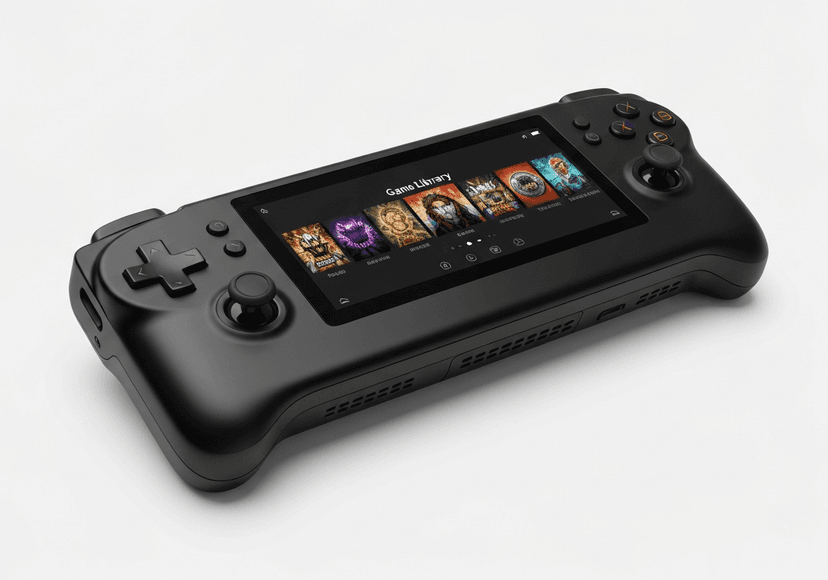
The Steam Deck holds its value unusually well for a gaming device, and the reason is that Valve has kept prices stable rather than discounting, so the used market has a firm reference point. Retention typically runs seventy to eighty percent of retail for a device in good condition, which is far better than a phone or tablet of similar age. The lineup splits into the original LCD models from 2022 and the OLED refresh from late 2023, and the OLED commands a substantial premium for its better screen, longer battery life, and lighter weight. Storage tier matters but less than expected, because the microSD slot lets buyers expand cheaply and the internal drive is user-replaceable on all models. Two condition issues dominate: analog stick drift, which affects a meaningful share of early LCD units, and screen scratches, since the base LCD models shipped without anti-glare etching. Modified units with aftermarket SSDs or shells are a mixed factor.
Screen technology creates the primary split, with OLED models commanding roughly $130 to $180 over equivalent LCD units for their display, battery, and weight advantages. Storage capacity matters modestly since the drive is user-replaceable and microSD expansion is cheap, though the 64GB eMMC model is genuinely slower and priced accordingly. Analog stick condition is the most common defect and buyers test for drift immediately; aftermarket Hall effect replacements cost $30 to $50 and a unit with them installed can actually be worth more than stock. Screen condition matters most on the base LCD model, which lacked the anti-glare etching of the 512GB version and scratches easily. Battery health is checkable through system information. Completeness with the carrying case, charger, and box adds a consistent premium, and modifications are neutral to positive if done well and documented.
Buying & Selling Tips
Buying
Test both analog sticks for drift in the controller calibration screen. It is the most common fault on early LCD units.
Ask whether the sticks have been replaced with Hall effect modules. It is a genuine upgrade that eliminates future drift.
Check the screen under angled light. Base LCD models lack anti-glare etching and scratch more easily than the 512GB version.
Verify the unit is deregistered from the seller's Steam account. It is not locked like a phone but a clean handover matters.
Buy the OLED if the price gap is under $130. The battery and screen improvements are substantial for handheld use.
Selling
Factory reset SteamOS and sign out before shipping. It takes ten minutes and prevents most post-sale complaints.
Test and disclose stick condition explicitly. Buyers assume drift exists on used Decks unless you address it.
Include the case, charger, and box. The carrying case alone is worth $20 to $40 and buyers expect it.
Document any SSD upgrade with the drive model and capacity. It adds close to the drive's cost when properly described.
Photograph the screen powered on and off. Scratches only show at certain angles and hiding them causes returns.
Steam Deck FAQ
Does the Steam Deck hold its value?
Yes, unusually well. Used Decks typically bring seventy to eighty percent of retail because Valve has kept new prices stable rather than discounting, which anchors the secondary market.
Is the OLED Steam Deck worth the premium?
On the used market it commands $130 to $180 over an equivalent LCD model. The OLED screen, roughly fifty percent longer battery life, and lighter weight justify that gap for most handheld users.
How common is Steam Deck stick drift?
It affects a meaningful share of early LCD units. Aftermarket Hall effect stick modules cost $30 to $50 and permanently eliminate the problem, and a Deck with them installed can be worth more than a stock unit.
Can you upgrade the Steam Deck's storage?
Yes. The internal M.2 2230 SSD is user-replaceable on all models, and every Deck has a microSD slot. This is why storage tier affects resale less than it does on locked-down devices.
Which Steam Deck model should I buy used?
The LCD 512GB is the value pick because it includes the anti-glare etched screen that the cheaper LCD models lack. If budget allows, the OLED 512GB is the better overall device.
Got Steam Deck to Value?
Upload a photo and get a free AI-powered valuation in seconds. No sign-up required.