Last updated: September 2026
How Much Is a Sapphire Worth Per Carat?
Check current market values, learn what affects pricing, and get tips for buying and selling.
← All Sapphire valuationsWhat do you want to value?
Get the free app for unlimited scans


Sapphires Price Guide
Current market values based on recent sales data and market trends.
| Item | Condition | Price Range |
|---|---|---|
| 1 ct, commercial blue, heated | Thailand / Australia | $200 - $700 per carat |
| 1 ct, good blue, heated | Ceylon / Madagascar | $900 - $2,800 per carat |
| 1 ct, fine royal blue, unheated | Ceylon, certified | $4,000 - $10,000 per carat |
| 3 ct, fine blue, unheated Burma | Certified | $12,000 - $35,000 per carat |
| 3 ct, Kashmir, unheated | SSEF or Gübelin | $50,000 - $200,000 per carat |
| Padparadscha, 1 ct, unheated | Certified | $4,000 - $15,000 per carat |
| Pink sapphire, 1 ct | Good color | $700 - $3,000 per carat |
| Yellow sapphire, 1 ct | Good color, heated | $200 - $1,200 per carat |
| Star sapphire, 5 ct | Sharp star | $100 - $1,500 per carat |
| Lab-created sapphire | Any size | $5 - $25 per carat |
What Determines Sapphires Value
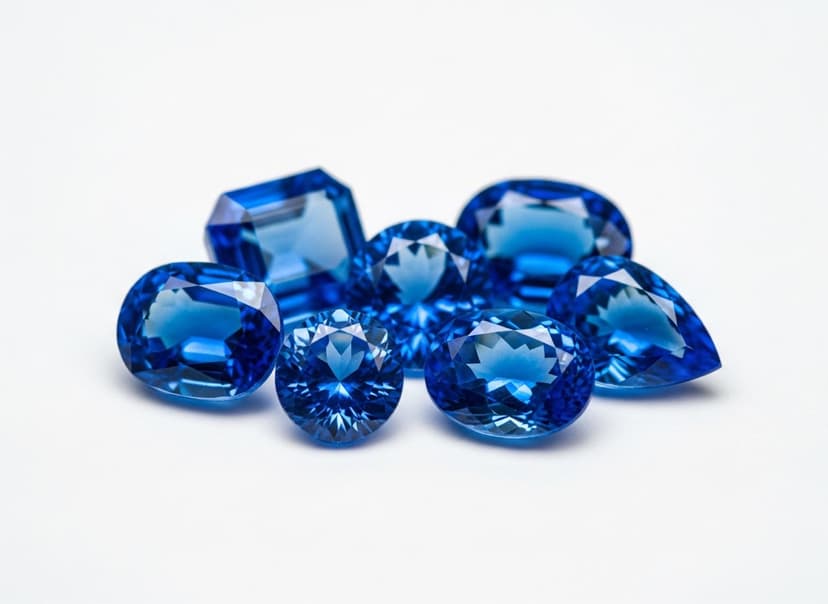
Sapphire is the same mineral as ruby, corundum, in every color except red, which means the family covers blue, pink, yellow, green, purple, and the rare orange-pink padparadscha. Blue dominates the market and its pricing runs on color quality first and origin second. The ideal is a vivid, medium to medium-dark blue with strong saturation and no grey or green modifier. Origin premiums are steep and well established: Kashmir sapphires, mined for a brief period in the 1880s and 1890s, are the most valuable stones in the category and sell for extraordinary sums; Burmese and Ceylon material follows; Madagascar, Thailand, and Australian stones sit below. Treatment matters as much as it does with ruby, since most commercial sapphire is heat treated and unheated stones command two to four times the price. Beryllium diffusion treatment, which alters color at depth, is a separate category that must be disclosed and substantially reduces value.
Color quality leads, judged on hue, saturation, and tone, with the most valuable blues being vivid and neither too light nor inky dark. Origin creates enormous premiums, and Kashmir occupies a tier so far above the rest that certified Kashmir stones routinely set auction records. Treatment status is the next major factor, with unheated stones commanding two to four times heated equivalents of the same appearance. Clarity is assessed more forgivingly than in diamonds, and fine silk inclusions can create the velvety appearance prized in Kashmir material. Cut affects brilliance significantly and windowing is common because cutters preserve weight. Size drives exponential price growth above two carats. Fancy colors follow their own logic, with padparadscha commanding premiums because its precise pink-orange range is so narrow that few stones qualify. Certification from SSEF, Gübelin, GRS, or GIA is expected on any significant stone.
Buying & Selling Tips
Buying
Get an origin report on anything claimed as Kashmir, Burma, or Ceylon. The premium is large enough that unverified claims should be ignored.
View blue sapphires under both daylight and incandescent light. Some stones turn inky or greyish under one and not the other.
Ask specifically about beryllium diffusion. It is a deeper treatment than heat and significantly reduces value.
Consider Madagascar material for value. It produces stones visually comparable to Ceylon at a meaningful discount.
For padparadscha, insist on laboratory confirmation of the color designation. The term is applied loosely by sellers.
Selling
Obtain a laboratory report before listing. Origin and treatment status are the two largest price drivers and both require certification.
Sell unheated and fine-origin stones through auction or a colored stone specialist rather than a general jeweler.
Photograph in indirect daylight. Sapphire color shifts noticeably under artificial light and misleading photos cause returns.
Keep any historic documentation with antique pieces. Provenance on older sapphires supports origin claims and adds value.
Do not recut to remove inclusions without expert guidance. In sapphire, certain inclusions confirm natural origin and their removal can hurt value.
Sapphires FAQ
What is the most valuable sapphire color?
Vivid royal blue is the most valuable in the mainstream market, but padparadscha, the rare pink-orange variety, commands comparable or higher prices per carat because so few stones fall within its narrow color range.
Why are Kashmir sapphires so expensive?
The Kashmir deposit was worked for only about a decade in the 1880s and 1890s and produced sapphires with a distinctive velvety cornflower blue. Supply is fixed and demand is global, so certified Kashmir stones sell for $50,000 to $200,000 per carat and above.
Are unheated sapphires worth more?
Yes, typically two to four times a heated stone of equivalent appearance. Most commercial sapphire is heat treated to improve color, so untreated fine material is genuinely scarce and priced accordingly.
Is a sapphire more valuable than a diamond?
Top sapphires exceed diamonds per carat, especially unheated Kashmir and Burmese stones. Commercial-quality sapphires are far less expensive than diamonds of equivalent size.
What is a padparadscha sapphire?
It is a sapphire in a specific pink-orange hue, named after a lotus blossom. The color range is very narrow and laboratories are strict about applying the designation, which is why certified padparadscha commands $4,000 to $15,000 per carat.
Got Sapphires to Value?
Upload a photo and get a free AI-powered valuation in seconds. No sign-up required.