Last updated: September 2026
How Much Are Japanese Pokemon Cards Worth?
Check current market values, learn what affects pricing, and get tips for buying and selling.
← All Pokemon Cards valuationsWhat do you want to value?
Get the free app for unlimited scans


Japanese Pokemon Cards Price Guide
Current market values based on recent sales data and market trends.
| Item | Condition | Price Range |
|---|---|---|
| No Rarity Symbol Charizard (1996) | PSA 10 | $25,000 - $50,000 |
| Pikachu Illustrator Promo | PSA 7 | $1,000,000+ |
| Masaki Gengar Promo | PSA 9 | $3,000 - $5,000 |
| Web Series 1st Edition Holos | PSA 9 | $100 - $300 |
| Japanese Base Set Holo (Common) | PSA 10 | $100 - $500 |
| VSTAR Universe SAR (Special Art Rare) | PSA 10 | $50 - $200 |
| Shiny Treasure ex SAR Charizard | PSA 10 | $200 - $400 |
| Pokemon 151 Master Ball Reverse Holo | Raw Mint | $20 - $100 |
What Determines Japanese Pokemon Cards Value
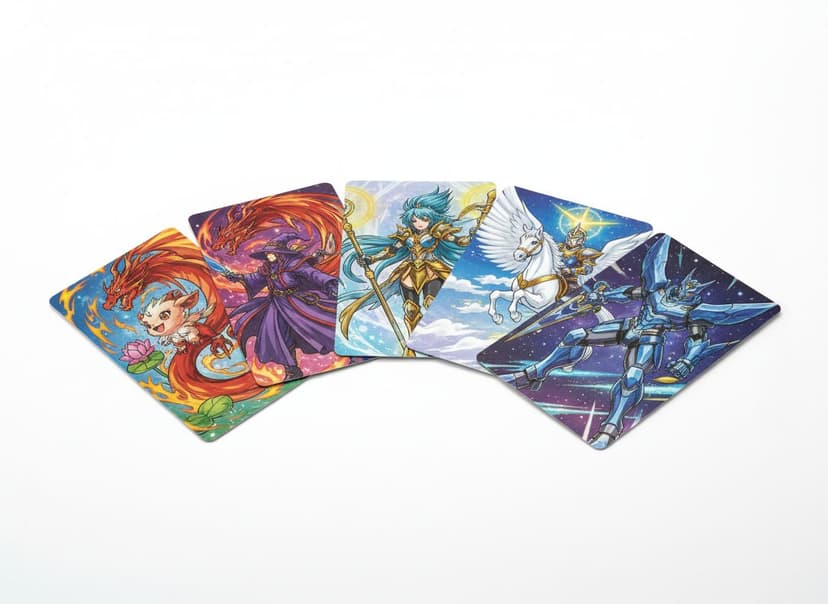
Japanese Pokemon cards have become increasingly popular with Western collectors due to their superior print quality, exclusive artwork, and historical significance as the original Pokemon card market. Japanese cards were first released in October 1996, three years before the English Base Set. Many cards and sets are exclusive to Japan and never received English printings, making them highly desirable. Japanese cards are known for their crisper printing, better centering, and unique textures. From vintage No Rarity Symbol (No Symbol) cards to modern VSTAR Universe and special art rares, the Japanese Pokemon card market offers incredible variety.
Japanese Pokemon card values depend on the era (vintage 1996-2002 cards command the highest premiums), rarity and print run (promos with limited distribution are especially valuable), card condition and grade (Japanese cards generally grade higher than English due to better quality control), exclusivity (Japan-only sets and promos), and artwork (special art rares and full art cards with unique illustrations are highly prized). The size of Japanese cards differs slightly from English cards, requiring different sleeve sizes and sometimes different grading standards.
Buying & Selling Tips
Buying
Buy from reputable Japanese card shops on eBay, or use proxy services like Buyee or Sendico to purchase directly from Yahoo Japan Auctions or Mercari Japan.
Japanese cards typically grade higher than English cards, so a raw Japanese card in good condition has a better chance of getting a PSA 9 or 10.
Research which sets are Japan-exclusive before buying. Many modern sets eventually get English reprints, which can impact value.
Be aware that Japanese cards are slightly smaller than English cards (63mm x 88mm vs 64mm x 89mm) and require different protective sleeves.
Modern Japanese booster boxes offer much better value than English boxes, with lower prices and better pull rates.
Selling
List Japanese cards with both the Japanese name and English name/equivalent to reach the widest audience.
Grade vintage Japanese cards with PSA or CGC.Western collectors strongly prefer graded Japanese cards.
Photograph cards to clearly show they are authentic Japanese versions, including the back design which differs from English cards.
Sell rare Japanese promos through specialty auction houses or Pokemon-specific Facebook groups for the best prices.
Ship internationally with tracking and insurance. The global market for Japanese Pokemon cards is strong.
Japanese Pokemon Cards FAQ
Are Japanese Pokemon cards worth more than English?
It depends on the card. Vintage Japanese cards like the No Rarity Symbol set are generally worth less than English 1st Edition Base Set equivalents but more than English Unlimited. However, Japan-exclusive promos like the Illustrator Pikachu are among the most valuable Pokemon cards in any language. Modern Japanese cards are typically cheaper than English equivalents but are gaining ground due to superior quality.
How can I tell if a Japanese Pokemon card is real?
Authentic Japanese Pokemon cards have a specific card stock feel and thickness, a distinct back design with lighter blue coloring than English cards, and crisp text printing. The card should pass the light test (some light visible through when held to a bright source) and have a dark layer visible in the card's edge. Look for the correct copyright and set information at the bottom of the card.
What is a No Rarity Symbol card?
No Rarity Symbol (also called No Symbol or NR) cards are from the very first print run of Japanese Base Set in October 1996. They can be identified by the absence of a rarity symbol (star, diamond, or circle) in the bottom right corner. Later printings added these symbols. No Rarity Symbol holos are the oldest and most historically significant Pokemon cards and command significant premiums.
Can I use Japanese Pokemon cards in English tournaments?
No, Japanese Pokemon cards cannot be used in official English-language Pokemon TCG tournaments. Tournament rules require all cards to be in the language of the event. Japanese cards are primarily collected rather than played in Western markets.

Related Price Guides
Got Japanese Pokemon Cards to Value?
Upload a photo and get a free AI-powered valuation in seconds. No sign-up required.