Last updated: September 2026
How Much Are Gold Coins Worth?
Check current market values, learn what affects pricing, and get tips for buying and selling.
← All Gold & Silver valuationsWhat do you want to value?
Get the free app for unlimited scans


Gold Coins Price Guide
Current market values based on recent sales data and market trends.
| Item | Condition | Price Range |
|---|---|---|
| American Gold Eagle 1 oz (Common Date) | BU | Spot + 5-8% |
| Canadian Gold Maple Leaf 1 oz | BU | Spot + 3-5% |
| South African Krugerrand 1 oz | BU | Spot + 4-6% |
| $20 Saint-Gaudens Double Eagle (Common Date) | MS-63 | $2,200 - $2,800 |
| $20 Saint-Gaudens (1907 High Relief) | MS-63 | $15,000 - $25,000 |
| $20 Liberty Head Double Eagle (Common) | AU-55 | $2,100 - $2,500 |
| $10 Liberty Head Eagle (Common) | AU-50 | $1,000 - $1,300 |
| $5 Indian Head Half Eagle (Common) | AU-55 | $550 - $750 |
| $2.50 Indian Head Quarter Eagle (Common) | MS-62 | $400 - $550 |
| 1 oz Gold Bar (PAMP, Valcambi) | Sealed/Assayed | Spot + 3-5% |
What Determines Gold Coins Value
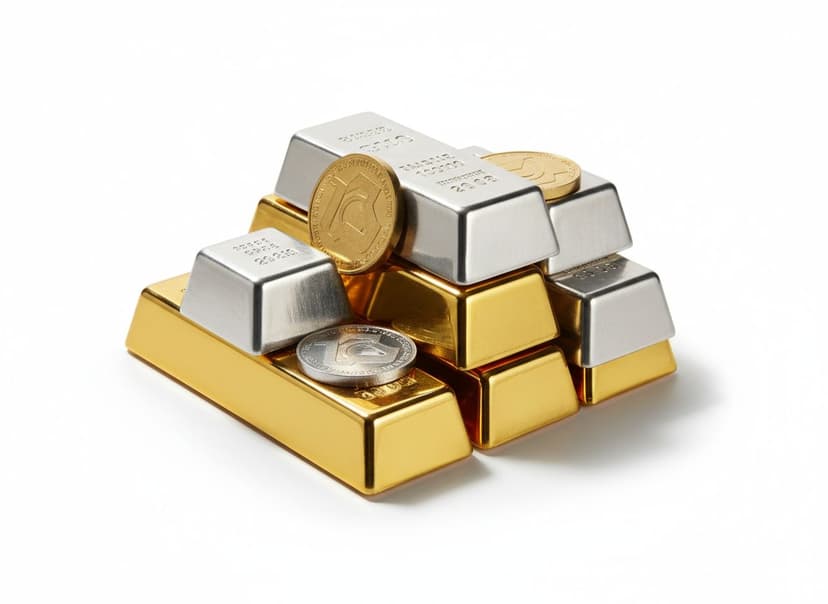
Gold coins represent a unique intersection of precious metal value and numismatic collectibility. Every gold coin has a minimum value based on its gold weight and the current spot price, but many coins carry significant premiums above melt value due to rarity, historical significance, and collector demand. Modern bullion coins like the American Gold Eagle and Canadian Gold Maple Leaf trade at small premiums (3-8%) over spot price, while rare pre-1933 US gold coins like the $20 Saint-Gaudens Double Eagle can command premiums of 50-500% or more depending on date and condition. Understanding the difference between bullion value and numismatic value is essential. The same coin type can be worth $2,000 in one date and $200,000 in another.
Gold coin values are determined by the gold content and current spot price (establishing a floor value), the numismatic premium based on rarity and date (key dates can be worth 10-100x melt value), condition and grade (mint state coins carry larger premiums over melt than circulated examples), type and design (Saint-Gaudens $20 is the most popular US gold coin series), country of origin and legal tender status, and market demand. For bullion coins, premiums over spot fluctuate with supply and demand. During periods of high demand (economic uncertainty, inflation fears), premiums can spike from 5% to 15% or more. For numismatic coins, the collector market drives prices independently of gold spot price.
Buying & Selling Tips
Buying
For pure gold investment, buy 1 oz bullion coins (Gold Eagle, Maple Leaf, Krugerrand) with the lowest premium over spot price available.
Always buy from established dealers (APMEX, JM Bullion, SD Bullion) or your local coin shop. Verify gold with a sigma metalytics tester or specific gravity test.
Pre-1933 US gold coins in common dates offer a modest numismatic premium over melt and are popular for their historical appeal.
The Gold Maple Leaf (.9999 fine) has the highest gold purity of major bullion coins, while the Gold Eagle (.9167 fine, 22K) contains copper for durability.
Avoid numismatic 'deals' from TV or cold-call dealers. These typically charge 50-100% premiums over fair market value.
Selling
Sell bullion coins based on the current spot price. Check kitco.com or apmex.com for live pricing and expect to receive spot minus 1-3%.
Get numismatic gold coins (pre-1933 US coins) graded by PCGS or NGC before selling if you believe they are in AU or better condition.
Sell to local coin shops for immediate cash, or online through r/Pmsforsale, eBay, or dealer buyback programs for better prices.
Never clean gold coins. Cleaning reduces numismatic value and is immediately apparent to experienced buyers.
Sell key dates and high-grade coins through Heritage Auctions or Stack's Bowers for the best realization on premium numismatic pieces.
Gold Coins FAQ
How do I calculate the melt value of a gold coin?
Multiply the coin's gold content in troy ounces by the current spot price of gold. For example: an American Gold Eagle (1 oz, .9167 fine) contains exactly 1.0000 troy ounce of pure gold. If gold spot is $2,000/oz, melt value is $2,000. A $20 Saint-Gaudens contains 0.9675 oz of gold, so its melt value would be $1,935 at the same spot price. Check live spot prices at kitco.com.
Are gold coins a good investment?
Gold coins serve as a hedge against inflation and currency devaluation rather than a growth investment. Gold has historically maintained purchasing power over centuries and tends to perform well during economic uncertainty. Bullion coins (Eagles, Maple Leafs) are the best for pure gold investment due to low premiums and high liquidity. Numismatic gold coins are a separate collector market that may or may not track gold prices.
What is the difference between bullion and numismatic gold coins?
Bullion coins are valued primarily for their gold content and trade near spot price with small premiums (3-8%). Examples: American Gold Eagle, Canadian Maple Leaf. Numismatic coins are valued for their rarity, historical significance, and condition in addition to their gold content. Examples: 1907 High Relief Saint-Gaudens ($15,000+), 1893 $10 Liberty ($2,000+ in low grades). Some coins like common-date pre-1933 US gold fall in between, carrying modest numismatic premiums.
How can I tell if a gold coin is real?
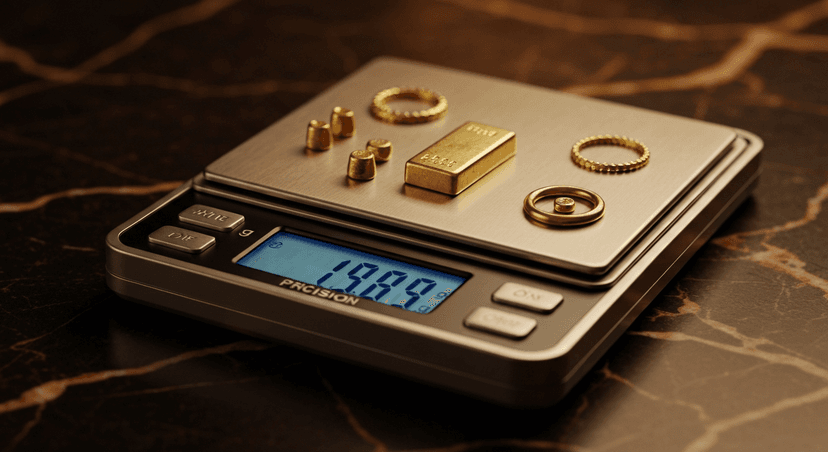
Test with a rare earth magnet (gold is non-magnetic. If it sticks, it is fake), check the weight on a precision scale (should match published specifications within 0.1g), measure the diameter with calipers, and perform a specific gravity test. For high-value purchases, use a Sigma Metalytics tester which can verify gold content non-destructively. When in doubt, buy only from reputable dealers or have coins authenticated by PCGS or NGC.
Got Gold Coins to Value?
Upload a photo and get a free AI-powered valuation in seconds. No sign-up required.