Last updated: September 2026
How Much Are Air Jordan 11s Worth?
Check current market values, learn what affects pricing, and get tips for buying and selling.
← All Air Jordans valuationsWhat do you want to value?
Get the free app for unlimited scans


Air Jordan 11 Price Guide
Current market values based on recent sales data and market trends.
| Item | Condition | Price Range |
|---|---|---|
| Concord (2018 retro) | Deadstock | $230 - $340 |
| Bred (2019 retro) | Deadstock | $240 - $370 |
| Space Jam (2016 retro) | Deadstock | $260 - $420 |
| Cool Grey (2021 retro) | Deadstock | $210 - $320 |
| DMP Defining Moments (2006) | Deadstock | $1,200 - $2,600 |
| Jeter Re2pect (2017) | Deadstock | $1,800 - $4,000 |
| Derek Jeter PE / player exclusives | Deadstock | $3,000 - $12,000 |
| Columbia / Legend Blue | Deadstock | $250 - $400 |
| Original 1995-96 pairs | Display | $700 - $3,000 |
| Any AJ11, creased patent | Worn, good | $110 - $200 |
What Determines Air Jordan 11 Value
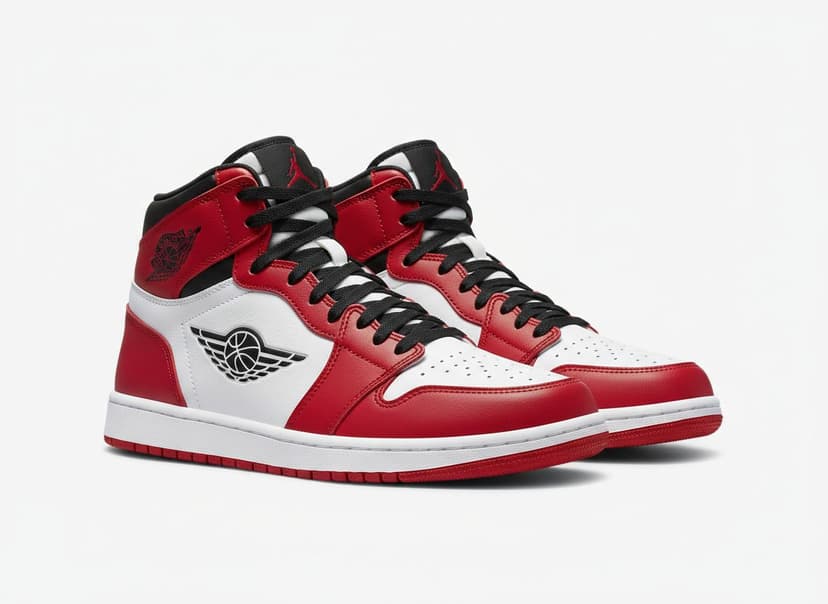
The Air Jordan 11 is the most commercially successful retro in the entire Jordan catalog, driven by its patent leather mudguard and its association with the 1995-96 Bulls season. Jordan Brand understands this and releases the marquee colorways in enormous quantities every holiday season, which is the single most important thing to know about its resale value. A Concord or Bred retro produced in the hundreds of thousands will sit at or slightly below its $235 retail on the secondary market, which surprises people who assume Jordan equals appreciation. Value concentrates in three places instead: older retros from the early 2000s that were produced in smaller numbers, the low-production Defining Moments Package and player exclusive versions, and unusual colorways that were not mass-released. Patent leather condition is the defining physical variable, since it creases permanently at the flex point and scuffs easily, and unlike suede or leather it cannot be conditioned back.
Production volume is the dominant factor and it works against most Jordan 11 colorways, since the flagship releases are made in quantities large enough to satisfy demand. Rarity of the specific release therefore determines almost everything: DMP, player exclusives, and limited partnerships hold multiples of retail while general releases do not. Patent leather condition is the single most inspected physical detail, since creasing at the toe flex point is permanent and immediately visible in photographs. Midsole yellowing affects the icy translucent outsoles on many colorways particularly harshly, because the blue-tinted rubber ages to an unattractive amber that buyers price down heavily. Size follows the usual streetwear curve with 9 through 11 leading. Box condition matters more on the 11 than on most models because collectors display them, and the specialty packaging on limited releases is part of the product.
Buying & Selling Tips
Buying
Do not pay a premium for general release colorways. Concord, Bred, and Space Jam retro often enough that patience saves money.
Check the icy outsole color carefully. Yellowed translucent rubber is the most common condition problem and heavily discounts a pair.
Look at the patent leather at the toe flex point. A single deep crease is permanent and moves the shoe into worn pricing regardless of use.
Target older retros from 2000 to 2010 for appreciation. Those production runs were far smaller than modern ones.
Verify limited releases through an authentication service. DMP and Jeter pairs are frequently counterfeited given their price.
Selling
Photograph the outsole and the patent toe box clearly. Buyers assume the worst about both if you do not show them.
Keep pairs unbent in storage using shoe trees or crumpled paper. Patent leather creases from storage just as easily as from wear.
Sell during the holiday season when Jordan 11 attention peaks. Prices consistently firm up between November and January.
Include the special packaging on limited releases. DMP and similar pairs lose meaningful value without their original boxes.
State whether the outsole is icy or yellowed in the description. Being upfront prevents returns and speeds up serious buyers.
Air Jordan 11 FAQ
Why do Air Jordan 11s not resell for much?
Jordan Brand produces the marquee colorways in very large quantities for holiday releases, so supply meets demand. A Concord or Bred retro typically sells at $230 to $370 against a $235 retail, meaning little to no premium.
Which Air Jordan 11 is worth the most?
Player exclusive and friends-and-family pairs top the market at $3,000 to $12,000. Among retail releases, the 2017 Jeter Re2pect at $1,800 to $4,000 and the 2006 Defining Moments Package at $1,200 to $2,600 lead.
Does patent leather crease permanently?
Yes. Once the patent coating creases at the flex point the mark cannot be removed. This is why deadstock pairs command such a large premium over even lightly worn ones.
How do I stop the icy soles from yellowing?
Store the shoes away from light and heat, avoid sealed plastic containers that trap moisture, and use silica packs. Oxidation still occurs slowly, but light exposure is by far the biggest accelerator.
Are 1995 original Jordan 11s valuable?
Original pairs sell for $700 to $3,000 depending on condition and colorway, but the midsoles have degraded and they are display items rather than wearable shoes. Boxed pairs with intact packaging bring the top of the range.
Related Price Guides
Got Air Jordan 11 to Value?
Upload a photo and get a free AI-powered valuation in seconds. No sign-up required.