Last updated: September 2026
How Much Is a 1943 Steel Penny Worth?
Check current market values, learn what affects pricing, and get tips for buying and selling.
← All 1943 Steel Penny valuationsWhat do you want to value?
Get the free app for unlimited scans


1943 Steel Pennies Price Guide
Current market values based on recent sales data and market trends.
| Item | Condition | Price Range |
|---|---|---|
| 1943 Steel (Philadelphia) | Circulated | $0.10 - $0.50 |
| 1943-D Steel | Circulated | $0.15 - $0.60 |
| 1943-S Steel | Circulated | $0.20 - $0.80 |
| 1943 Steel | MS-65 | $18 - $35 |
| 1943-S Steel | MS-67 | $180 - $400 |
| 1943-D Boldly Doubled Mint Mark | MS-64 | $60 - $150 |
| 1943 Steel, reprocessed | Unc detail | $0.25 - $1 |
| 1943 Copper (Philadelphia) | VF-20 | $150,000 - $250,000 |
| 1943-D Copper | AU-50 | $800,000 - $1,700,000 |
| 1944 Steel (off-metal) | VF-20 | $75,000 - $200,000 |
What Determines 1943 Steel Pennies Value
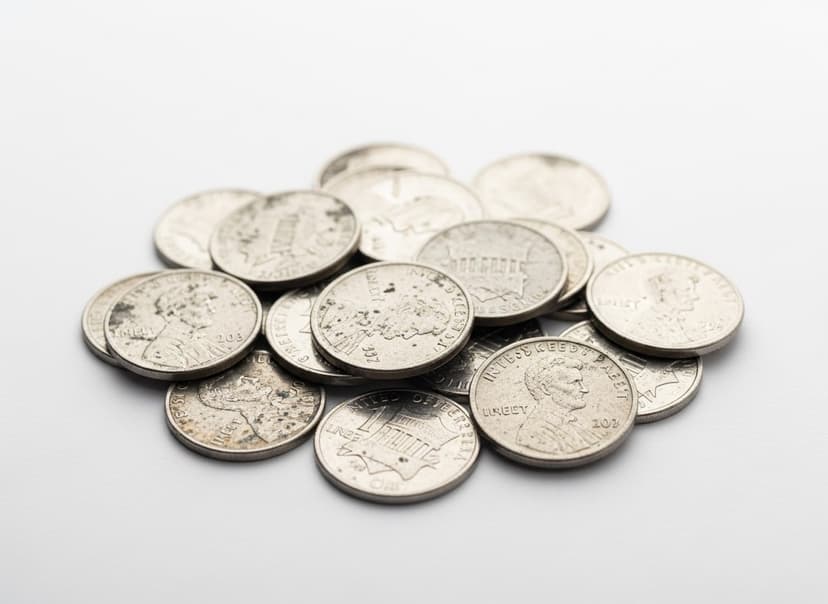
In 1943 the US Mint replaced copper with zinc-coated steel in the cent to conserve copper for wartime ammunition, producing over a billion silvery-looking pennies across three mints. Because they look so different from every other cent, people assume they are rare, but they are one of the most common wheat pennies in existence and a circulated example is worth around ten to fifty cents. The genuinely valuable coin is the opposite situation: a small number of leftover 1942 copper planchets were struck with 1943 dies, creating the 1943 copper penny, of which roughly twenty are known across all three mints. Those sell for six figures. The magnet test settles the question in two seconds, and unfortunately most reported finds are ordinary steel cents that have been copper-plated. Steel cents corrode easily, so original bright examples with no rust carry a real premium.
For steel cents, the only real value driver is surface preservation. The zinc coating was thin and reacts with moisture, so the vast majority of surviving coins are dark, spotted, or actively rusting. A 1943 cent with full original brilliance and no carbon spots is worth many multiples of a typical one, and the top of the grading scale is where nearly all the money is. Mint mark matters slightly, with San Francisco being the scarcest of the three. Reprocessed coins, which were commercially re-plated in the 1960s to look new, are common and worth almost nothing to collectors despite appearing uncirculated. For the copper error, authentication is everything: the coin must be non-magnetic, weigh 3.11 grams rather than 2.7 grams, and pass professional examination for an altered date on a 1948 cent.
Buying & Selling Tips
Buying
Bring a magnet. A genuine 1943 copper cent will not stick, and this single test eliminates the great majority of fakes.
Avoid reprocessed steel cents sold as uncirculated. They have an unnaturally uniform bright finish and no collector market.
Look for coins with no carbon spots and even gray-silver color. Spotting is progressive and will worsen in storage.
Buy certified for anything above MS-65. Steel cent grading is heavily dependent on surface quality, which photographs poorly.
Never buy a claimed 1943 copper cent that is not certified by PCGS or NGC, regardless of how convincing the story is.
Selling
Sell common steel cents in bulk rolls or bags. Individually they are worth less than the cost of an envelope.
If you think you have a copper 1943, test it with a magnet and a scale first, then send it to PCGS. Do not clean it or attempt any test that marks the surface.
Store steel cents in inert flips away from humidity. Rust that develops before sale is permanent value loss.
State clearly whether a bright coin is original or reprocessed. Misrepresenting this is the most common complaint in this series.
For high-grade examples, photograph under diffuse light to show luster without hiding spots. Buyers will assume you are hiding problems if you use harsh lighting.
1943 Steel Pennies FAQ
How much is a 1943 steel penny worth?
A typical circulated one is worth 10 to 50 cents. Over a billion were struck across three mints. Uncirculated examples with original surfaces bring $18 to $35, and pristine MS-67 San Francisco coins can reach several hundred dollars.
How do I know if my 1943 penny is copper?
Hold a magnet to it. Steel cents stick, copper cents do not. Then weigh it: copper weighs 3.11 grams and steel weighs 2.7 grams. If it passes both tests, send it to PCGS or NGC immediately without cleaning it.
Why is the 1943 penny silver colored?
Copper was needed for wartime shell casings and communication wire, so the Mint struck the 1943 cent on zinc-coated steel planchets. The zinc plating gives the coin its silvery appearance.
What is a reprocessed 1943 steel penny?
In the 1960s companies stripped corroded steel cents and re-plated them with zinc to sell as novelty items. They look shiny and uncirculated but have no original mint surface, so collectors value them at a few cents.
How much is a 1943 copper penny worth?
Genuine examples sell for $150,000 to $250,000 for Philadelphia coins, with the single confirmed 1943-D bringing over $1.7 million at auction. Fewer than twenty are known in total across all mints.
Got 1943 Steel Pennies to Value?
Upload a photo and get a free AI-powered valuation in seconds. No sign-up required.