Last updated: September 2026
How Much Is a Pinball Machine Worth?
Pinball machines are one of the most exciting collectibles. They're playable works of mechanical and electronic art. From vintage electro-mechanical machines to modern Stern titles, the pinball market is active and growing. Our AI identifies your machine's title, manufacturer, era, and condition for a market estimate.
Get the free app for unlimited scans


Compare real prices
See what pinball machines are listed for right now
Affiliate link: we earn a commission if you buy, at no extra cost to you.
What do you want to value?
Get the free app for unlimited scans
Why Knowing Your Pinball Machines Value Matters
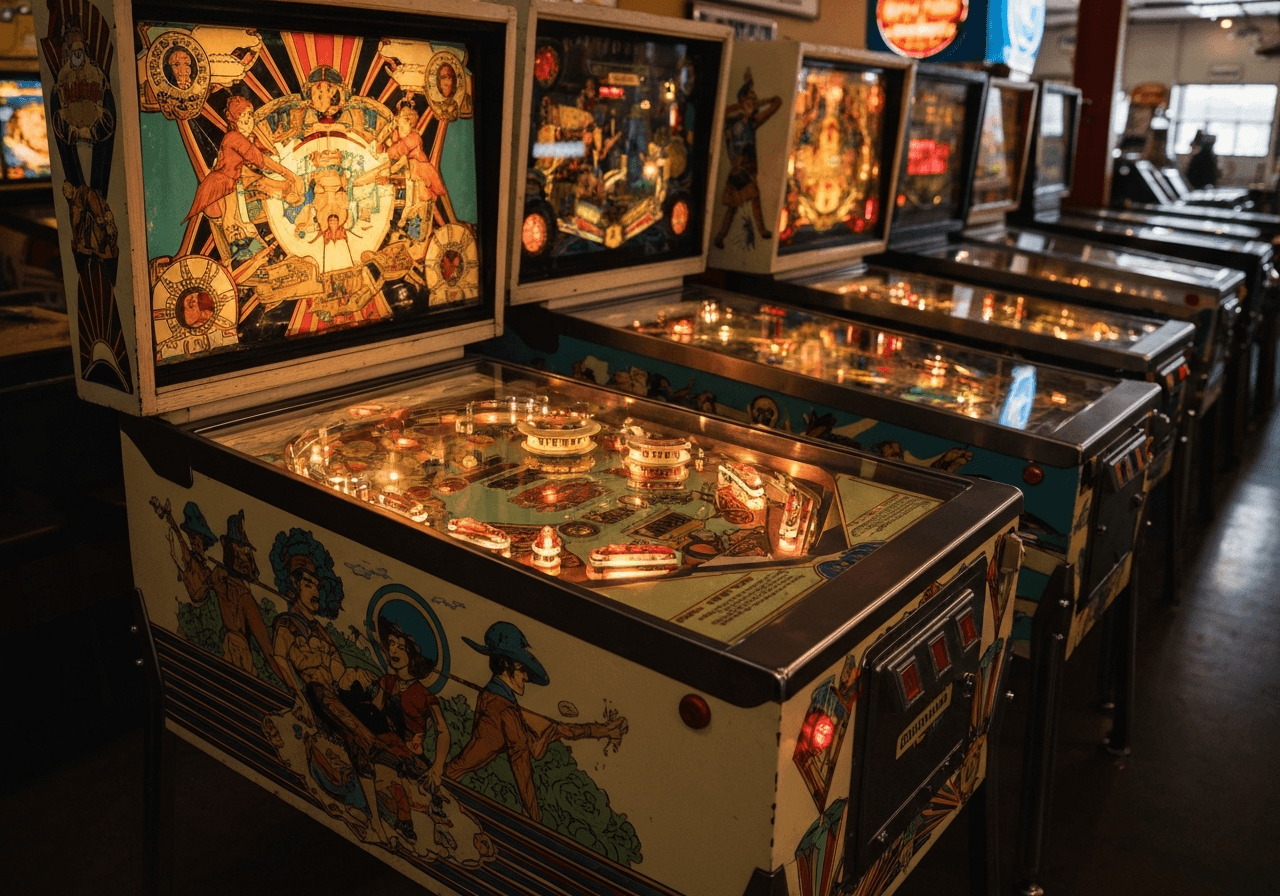
Pinball machines have appreciated significantly as the hobby has grown beyond arcade nostalgia into a mainstream gaming culture. Classic titles from the 1980s-90s 'golden age' are particularly sought after. The Addams Family (1992, most produced pinball ever) sells for $4,000-$7,000. Medieval Madness: $6,000-$12,000+. Theatre of Magic: $4,000-$8,000. Even common 1970s machines sell for $500-$1,500. Working condition is essential. Non-working machines sell for 30-50% of working value.
Key Factors That Affect Pinball Machines Value
Understanding what drives the price of pinball machines helps you get the most accurate valuation.
Title & Desirability
Most valuable titles: Medieval Madness ($6K-$12K+), Attack from Mars ($5K-$10K+), Theatre of Magic ($4K-$8K+), The Addams Family ($4K-$7K), Twilight Zone ($5K-$10K+), Monster Bash ($6K-$10K+).common 80s-90s titles: $1K-$4K. 1970s EM machines: $500-$2K.
Era & Type
Electro-mechanical (EM, pre-1978): $200-$3,000+. Early solid-state (1978-1985): $300-$2,000. Williams/Bally WPC era (1990-1999): most collected, $2K-$12K+. Stern modern (2000-present): $3K-$10K+. The WPC era is the sweet spot of playability and collectibility.
Working Condition
Fully working, all features operational: full value. Mostly working, minor issues: 80-90%. Major playfield issues or non-booting: 50-60%. Non-working project machine: 30-40%. Pinball machines are complex. Even 'simple' repairs require knowledge.
Playfield & Cabinet Condition
Playfield wear (ball swirl marks, insert lifting, clear coat issues): biggest cosmetic concern. Mint playfield: significant premium. Cabinet condition: faded art, water damage, cigarette burns all reduce value. Restored machines sell for 60-80% of original-condition equivalents.
Original vs Restored/Modded
Original, unmolested machines: preferred by collectors. Restored playfields and cabinets: functional but worth less. LED conversions: controversial. Some buyers prefer, others don't. Color DMD upgrades: minor value addition. Shaker motors, light shows: minor additions.
Tips for Valuing Pinball Machines
Get the most accurate valuation by following these tips when photographing your pinball machines.
Power it on and play a game. Working condition is the biggest value factor
Note any error messages or features that don't work
Photograph the playfield, backglass, and cabinet separately
Check the playfield under bright light for wear patterns and clear coat issues
Pinball Machines Market Insights
The pinball market has grown significantly since 2010, driven by pinball bars, home game rooms, and a competitive tournament scene (IFPA). New manufacturers (Stern, Jersey Jack, Spooky, American Pinball) keep the hobby alive with new titles. Classic 1990s WPC machines are the most sought after. The market is well-served by Pinside (community/marketplace), dedicated dealers, and regional shows. Pinball machines are unique collectibles. They're meant to be played, not just displayed.
Find Out What Your Pinball Machines Are Worth
Upload a photo now and get a free AI-powered valuation in seconds. No sign-up required.
Pinball Machines Valuation FAQ
What pinball machines are worth the most?
Medieval Madness ($6K-$12K+), Attack from Mars ($5K-$10K+), Twilight Zone ($5K-$10K+), Monster Bash ($6K-$10K+), Theatre of Magic ($4K-$8K+). The Addams Family ($4K-$7K) is the most produced machine but still commands strong prices.
Are old pinball machines worth anything?
Yes. 1970s EM machines: $500-$2,000. Early 1980s solid-state: $500-$2,500. 1990s Williams/Bally: $2,000-$12,000+. Even beat-up machines have value as projects or for parts. Non-working machines are worth 30-50% of working equivalents.
How much does it cost to repair a pinball machine?
Simple repairs (rubber rings, bulbs): $50-$100 DIY. Board repairs: $100-$300. Major playfield work: $500-$2,000. Full restoration: $2,000-$5,000+. The pinball community is helpful with DIY repair guidance on Pinside.com.
Where can I sell a pinball machine?
Pinside.com marketplace is the #1 dedicated venue. Facebook pinball groups are very active. Local pinball dealers buy at 60-75% of retail. Craigslist/Facebook Marketplace for local sales (avoids shipping a 250+ lb machine). Specialty auction houses handle rare titles.
Should I restore my pinball machine before selling?
Minor cleanup (cleaning, new rubber rings, working bulbs): yes, improves playability and value. Major restoration (playfield clearing, cabinet repaint): generally not cost-effective for selling. The cost often exceeds the value added. Sell as-is and let the buyer decide.
Value anything, anytime
Unlimited valuations, saved history and full reports in the free app.