Last updated: September 2026
How Much Is a Rolex Datejust Worth?
Check current market values, learn what affects pricing, and get tips for buying and selling.
← All Rolex Watches valuationsWhat do you want to value?
Get the free app for unlimited scans


Rolex Datejust Price Guide
Current market values based on recent sales data and market trends.
| Item | Condition | Price Range |
|---|---|---|
| Ref. 126234 (36mm, Steel, Jubilee) | Excellent | $8,500 - $11,000 |
| Ref. 126334 (41mm, Steel, Jubilee) | Excellent | $10,000 - $13,000 |
| Ref. 16233 (36mm, Two-Tone, 1990s) | Very Good | $5,500 - $8,000 |
| Ref. 16014 (36mm, Steel, 1980s) | Good | $4,000 - $6,000 |
| Ref. 1601 (36mm, Vintage, 1970s) | Good | $4,000 - $6,500 |
| Ref. 126331 (41mm, Everose Two-Tone) | Excellent | $13,000 - $16,000 |
| Ref. 116233 (36mm, Two-Tone, Jubilee) | Very Good | $7,000 - $9,500 |
| Ref. 126234 with Diamond Dial | Excellent | $10,000 - $13,000 |
What Determines Rolex Datejust Value
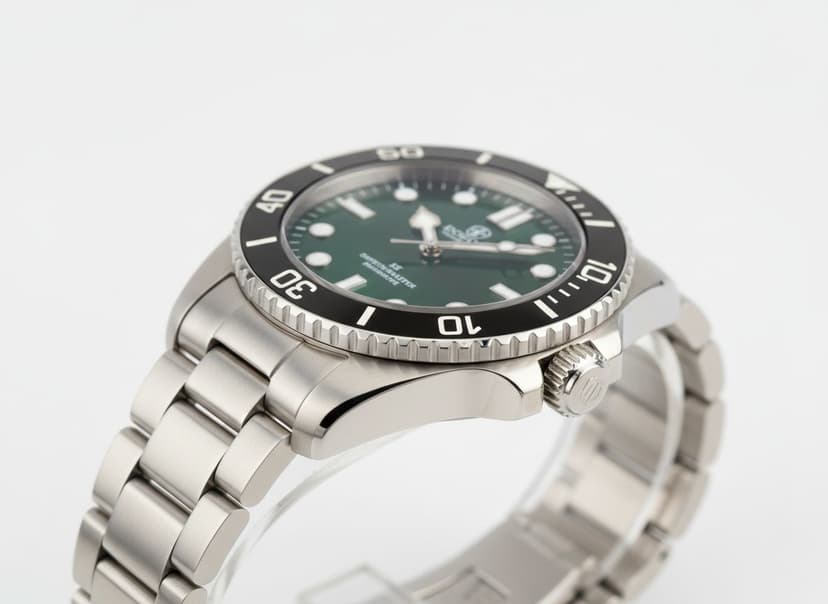
The Rolex Datejust, introduced in 1945, is the quintessential dress watch and Rolex's best-selling model. It was the first wristwatch to feature an automatically changing date, combined with Rolex's Oyster case and Perpetual movement. Available in a dizzying array of configurations.36mm and 41mm sizes, steel, two-tone, and full gold cases, fluted or smooth bezels, Jubilee or Oyster bracelets, and dozens of dial variations. The Datejust offers something for every taste and budget. Its versatility, timeless design, and strong brand recognition make it one of the most liquid luxury watches on the secondary market.
Datejust values are determined by the reference number and generation, case material (full gold > two-tone > steel), size (41mm is currently more popular, but vintage 36mm is timeless), bezel type (fluted gold bezel adds value over smooth steel), dial rarity (unusual colors, stone dials, and factory diamond dials command premiums), bracelet type and condition, and set completeness. The Datejust market is extremely liquid, meaning well-priced examples sell quickly. Vintage Datejusts with acrylic crystals and patinated dials have seen strong appreciation among younger collectors who appreciate the vintage aesthetic.
Buying & Selling Tips
Buying
Decide between 36mm and 41mm before shopping. Both are classic sizes, but your wrist size and personal style should guide the choice.
Fluted bezel with Jubilee bracelet is the most iconic Datejust configuration and holds value best.
Vintage Datejusts (pre-2000) offer excellent entry points into Rolex ownership at $4,000-$7,000.
Check dial authenticity carefully. Aftermarket dials and diamond additions significantly reduce value compared to factory originals.
Two-tone models have surged in popularity after years of being undervalued and now represent strong collector interest.
Selling
Highlight the specific dial color and configuration in your listing. Unique dials drive buyer interest.
Include box, papers, and warranty card.Datejust buyers are particularly attuned to set completeness.
Sell through Chrono24 or trusted pre-owned dealers for the safest transaction experience.
Vintage Datejusts with original 'pie-pan' or 'linen' dials in good condition are particularly hot sellers right now.
Do not polish the case unless necessary. Collectors increasingly prefer unpolished condition showing natural wear.
Rolex Datejust FAQ
Which Rolex Datejust size is best?
The classic Datejust size is 36mm, which works beautifully on most wrist sizes and has seven decades of history. The 41mm Datejust (introduced in 2009) is more modern and suits larger wrists. Try both on if possible. From an investment perspective, both sizes hold value well, though the 36mm has stronger vintage appeal.
Should I choose a Jubilee or Oyster bracelet?
The Jubilee bracelet is the Datejust's original and most iconic bracelet, with its five-link design offering a dressier look. The Oyster bracelet is sportier and more robust. Jubilee bracelets tend to hold value slightly better on a Datejust since it is the 'correct' historically associated bracelet.
How do I know if my Datejust dial is original?
Original Rolex dials have specific characteristics: correct fonts and spacing for the reference and year, proper luminous material matching the hands, consistent printing quality under magnification, and correct Rolex crown logo proportions. Aftermarket dials often have subtle font differences, incorrect lume plots, or slightly off colors. When in doubt, consult a Rolex specialist.
Are two-tone Datejusts popular again?
Yes, two-tone Datejusts have experienced a major resurgence in popularity. After being somewhat unfashionable in the 2010s, the combination of steel and gold (yellow or rose) has come roaring back, driven by vintage fashion trends and celebrity endorsement. Pre-owned two-tone Datejusts have appreciated 30-50% in recent years.
Related Price Guides
Got Rolex Datejust to Value?
Upload a photo and get a free AI-powered valuation in seconds. No sign-up required.