Last updated: September 2026
How Much Is a Hermès Birkin Worth?
Check current market values, learn what affects pricing, and get tips for buying and selling.
← All Hermès Birkin Bags valuationsWhat do you want to value?
Get the free app for unlimited scans


Hermès Birkin Price Guide
Current market values based on recent sales data and market trends.
| Item | Condition | Price Range |
|---|---|---|
| Birkin 25 Black Togo, GHW | Excellent | $15,000 - $19,000 |
| Birkin 30 Black Togo, GHW | Excellent | $16,000 - $21,000 |
| Birkin 35 Gold Togo, GHW | Excellent | $13,000 - $17,000 |
| Birkin 25 Etoupe Epsom, PHW | Excellent | $14,000 - $18,000 |
| Birkin 30 Himalaya Niloticus Crocodile | Excellent | $200,000 - $400,000 |
| Birkin 30 Porosus Crocodile (Solid Color) | Excellent | $40,000 - $70,000 |
| Birkin 30 Ostrich | Excellent | $22,000 - $30,000 |
| Birkin 35 Neutral Color, Togo | Good (Light Wear) | $10,000 - $13,000 |
| Birkin 30 Seasonal/Bright Color | Excellent | $16,000 - $25,000+ |
| Birkin 25/30 (New, Full Set) | Brand New | $18,000 - $28,000 |
What Determines Hermès Birkin Value
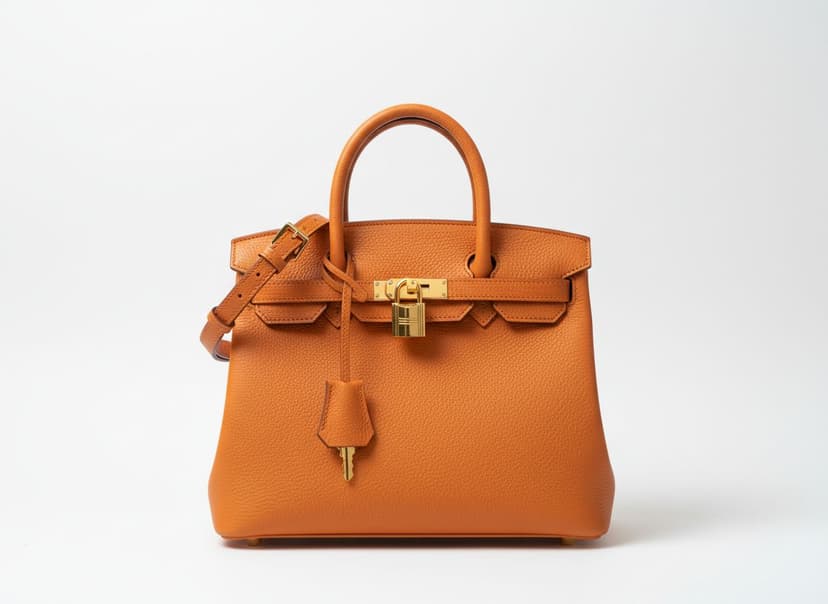
The Hermès Birkin is the most coveted luxury handbag in the world and one of the only consumer goods that consistently appreciates in value. Named after actress Jane Birkin and introduced in 1984, the Birkin is virtually impossible to purchase at retail without an extensive Hermès spending history. Retail prices start at $11,400 but most buyers cannot access one for years. This scarcity drives a thriving resale market where Birkins routinely sell for 1.5-3x their retail price. Exotic leather Birkins (crocodile, ostrich, lizard) and limited-edition collaborations can reach $100,000-$500,000. The Birkin has outperformed the S&P 500 as an investment over the past 35 years, appreciating at roughly 14% annually.
Hermès Birkin values are driven by leather type (Himalaya Niloticus croc is the pinnacle, followed by Porosus croc, then ostrich, then standard leathers like Togo and Epsom), size (25 and 30 are most popular currently, with 35 slightly discounted), color (black is most liquid, followed by neutral tones like Etoupe, Gold, and Etain; rare seasonal colors can exceed black), hardware (gold, palladium, and brushed gold/permabrass), stamp and year (newer stamps are preferred), condition (corner wear, handle darkening, and scratches are the main deductions), and set completeness (box, dust bag, lock, keys, clochette, rain jacket, receipt). Hermès authentication is critical. Super fakes are increasingly sophisticated.
Buying & Selling Tips
Buying
Only buy from authenticated sources.Hermès Birkin super fakes are the best in the counterfeit world. Use Entrupy or Real Authentication, or buy from Fashionphile, Madison Avenue Couture, or Hermès-specialist resellers.
The Birkin 30 in black Togo with gold hardware is the safest investment. It is the most liquid and consistently appreciating configuration.
Check the blind stamp (letter and shape) on the strap to verify the year of production. Newer Birkins generally hold value better.
Inspect for corner wear (most common flaw), handle darkening, hardware scratches, and interior staining before purchasing.
Building a purchase history at Hermès boutiques is the only way to access retail pricing. Expect to spend $10,000-$50,000+ on other items before being offered a Birkin.
Selling
Get authentication from Entrupy or Real Authentication before listing. A certificate increases buyer confidence and sale price.
Include all original packaging: orange box, dust bag, lock, keys, clochette, felt, rain jacket, and receipt for maximum value.
Sell through specialist consignment (Fashionphile, Rebag, Madison Avenue Couture) for the safest experience, or Christie's/Sotheby's for rare exotic pieces.
Condition the leather with Hermès-approved products and stuff the bag to maintain its shape for photography.
Time sales around price increase announcements.Hermès raises prices annually, boosting resale values alongside.
Hermès Birkin FAQ
Why is the Hermès Birkin so expensive?
Each Birkin is handmade by a single craftsman in France over 18-25 hours using the finest leathers and materials. Hermès deliberately limits production to maintain scarcity. Estimated at 70,000-80,000 Birkins per year globally.combined with enormous demand, this creates a market where retail prices ($11,400+) are effectively wholesale, and resale premiums of 50-200% are standard. The Birkin's status as both a luxury item and an investment asset drives prices further.
Is a Birkin really a good investment?
Historically, yes. Studies have shown Birkins appreciate at roughly 14% annually, outperforming stocks, gold, and real estate. Black and neutral-colored Birkins in standard leathers have the most consistent returns. However, exotic leather and rare color Birkins have the highest appreciation potential but also more volatility. The key is buying at retail (not resale premium) and maintaining excellent condition. Birkins purchased at resale markup still hold value but have lower ROI.
What is the Himalaya Birkin?
The Himalaya Birkin is the rarest and most valuable Birkin variant, made from Niloticus crocodile leather with a gradient dye that transitions from smoky gray to creamy white, resembling the Himalayan mountain range. It typically features palladium hardware and diamond-encrusted versions exist. Himalaya Birkins retail for approximately $100,000-$150,000 (if you can even be offered one) and resell for $200,000-$400,000+. Diamond Himalaya Birkins have sold for over $500,000 at auction.
How can I get a Birkin at retail?
The only way to purchase a Birkin at retail is through an Hermès boutique, and it requires building a significant purchase history with the brand. Most buyers spend $10,000-$50,000+ on scarves, shoes, jewelry, and other Hermès items over 6-24 months before being offered a Birkin by their SA (Sales Associate). There is no official waitlist. It is based on relationship and purchase history. Building a rapport with a specific SA at your local boutique is essential.
Related Price Guides
Got Hermès Birkin to Value?
Upload a photo and get a free AI-powered valuation in seconds. No sign-up required.