Last updated: September 2026
How Much Does It Cost to Raise a Child?
The USDA estimates the average cost of raising a child from birth to 18 at $233,610 (in 2015 dollars, over $310,000 adjusted for inflation). However, actual costs vary enormously based on location, income, childcare choices, and education path. Our calculator provides a personalized estimate based on your specific situation, breaking down costs by category so you can plan and budget for each stage of your child's development.
Get the free app for unlimited scans


Raising a Child Value Calculator
Fill in the details below for an accurate estimate
Why Knowing Your Raising a Child Value Matters
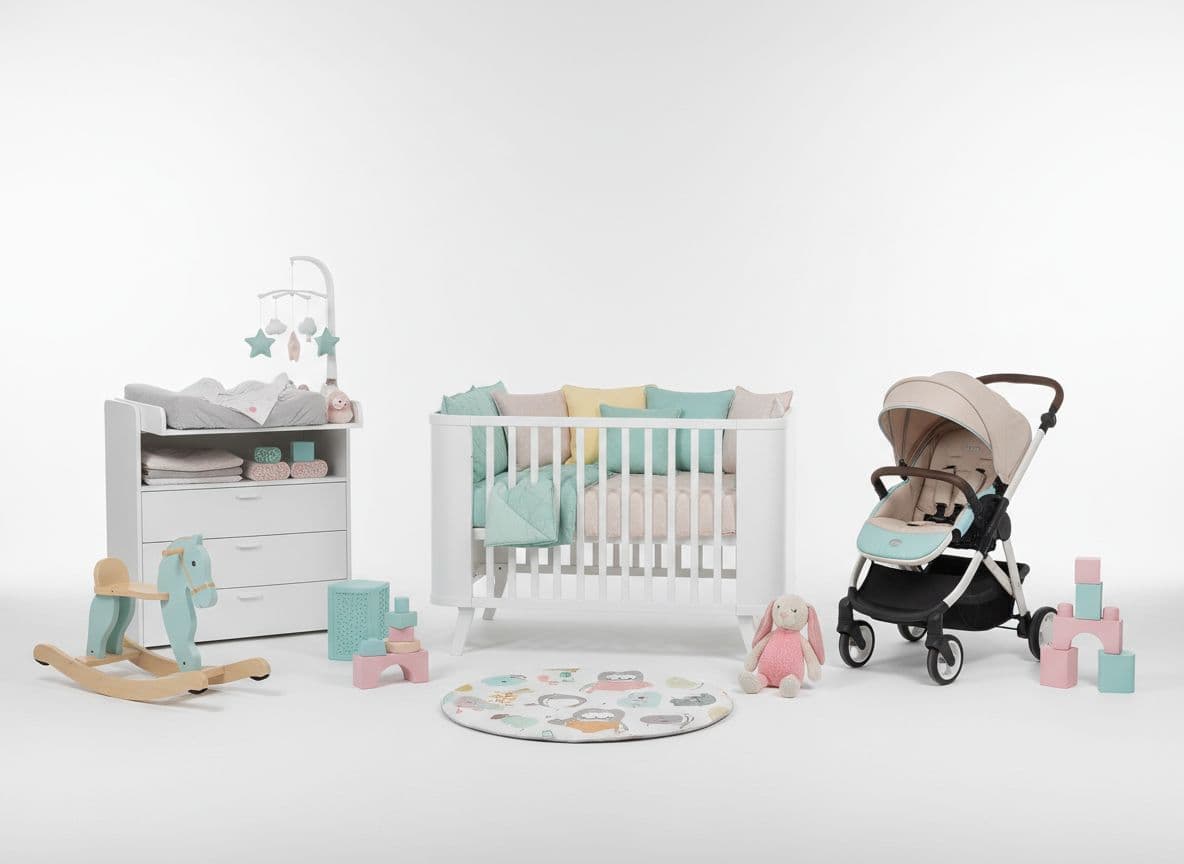
Having children is one of life's most rewarding experiences. And one of the most expensive. Childcare alone can cost $10,000-$30,000+ per year, and that's just one line item in a budget that includes housing, food, healthcare, education, clothing, and activities. Understanding these costs before they arrive helps families make informed decisions about career planning, housing, savings, and education choices. Financial preparedness reduces stress and lets you focus on what matters most. Raising your children.
Key Factors That Affect Raising a Child Value
Understanding what drives the price of raising a child helps you get the most accurate valuation.
Childcare & Education
Childcare is typically the largest single expense, especially in the first 5 years. Infant daycare costs $10,000-$30,000/year depending on location (over $36,000 in cities like San Francisco and DC). After age 5, public school is 'free' but still involves $500-$2,000/year in supplies, activities, and fees. Private school adds $12,000-$40,000/year. After-school care costs $3,000-$8,000/year.
Housing
Housing accounts for roughly 30% of child-raising costs. Each child effectively requires an additional bedroom, which in many markets means $200-$800+ more per month in rent or mortgage. Families often need to move to larger homes or to neighborhoods with better schools, adding significant costs. The housing premium for good school districts averages 20-50% over comparable homes in lower-rated districts.
Food & Clothing
Food costs for a child range from $2,000-$4,000/year in early childhood to $3,000-$5,000/year for teenagers (teenage boys eat the most). Clothing costs $500-$1,500/year, with teenagers costing more due to brand preferences and growth spurts. These costs are relatively manageable individually but add up significantly over 18 years. Especially with multiple children.
Healthcare & Insurance
Adding a child to health insurance costs $2,000-$6,000/year in additional premiums. Out-of-pocket medical costs (copays, dental, vision, prescriptions) add $500-$2,000/year. Orthodontics ($3,000-$7,000) is a common adolescent expense. Children with chronic conditions, allergies, or special needs can cost significantly more. The birth itself costs $5,000-$15,000+ after insurance.
Tips for Valuing Raising a Child
Get the most accurate estimate by following these tips when evaluating your raising a child.
Start budgeting before pregnancy. Prenatal care, birth costs ($5,000-$15,000 after insurance), and setting up a nursery ($2,000-$5,000) are significant upfront expenses.
Research childcare options and waitlists early. Many quality daycares have 6-12 month waitlists, and costs vary dramatically between center-based care, family daycare, nannies, and nanny-shares.
Open a 529 education savings plan as early as possible. Even small monthly contributions ($100-$250) grow significantly over 18 years with compound returns, and many states offer tax deductions.
Buy secondhand for items children quickly outgrow. Consignment shops, Facebook Marketplace, and Buy Nothing groups can save 50-80% on clothing, gear, and toys in the first few years.
Raising a Child Market Insights
The cost of raising children has outpaced general inflation for decades, driven primarily by childcare and education costs. Childcare costs have risen 40%+ since 2019 in many markets due to provider closures and staffing shortages. Federal and state child tax credits ($2,000-$3,600/child) provide meaningful relief. The rise of remote work has opened new childcare flexibility for some families. Education costs continue rising, with college savings needing to account for projected tuition inflation of 5-7% annually.
Notable Raising a Child Values
Real-world examples of what specific raising a child have sold for, so you can benchmark your own.
| Raising a Child | Condition | Typical Value |
|---|---|---|
| USDA Estimated Cost - Middle-Income Family (birth-17) | National Average | $310,000 - $330,000 |
| Full-Time Center-Based Daycare (infant, per year) | Licensed Center | $12,000 - $24,000 |
| K-12 Public School (total, 13 years) | Public / No Tuition | $2,000 - $8,000 |
| K-12 Private School (tuition only, per year) | Private / Day School | $12,000 - $55,000 |
| Pediatric Healthcare (birth-18, out-of-pocket) | Insured / Typical | $15,000 - $35,000 |
| Food Costs (birth-18, USDA Thrifty to Liberal Plan) | All Ages Combined | $45,000 - $85,000 |
| Housing Premium (additional space for one child, 18 years) | Estimated Incremental | $50,000 - $120,000 |
| Extracurricular Activities (sports, music, camps, per year) | Active Participation | $1,500 - $10,000 |
| 4-Year Public University (in-state, tuition + room/board) | Post-18 / College | $80,000 - $130,000 |
Based on USDA Expenditures on Children by Families reports, Bureau of Labor Statistics Consumer Expenditure Survey, and published childcare/education cost surveys.
Find Out What Your Raising a Child Are Worth
Upload a photo now and get a free AI-powered valuation in seconds. No sign-up required.
Raising a Child Valuation FAQ
How much does it cost to raise a child from birth to 18?
The average cost to raise a child born today from birth to age 18 is approximately $310,000-$370,000 in today's dollars, depending on location and lifestyle. The USDA's last estimate was $233,610 (in 2015 dollars), which adjusts to roughly $310,000+ today. Higher-income families in expensive areas can spend $500,000-$750,000+. Lower-income families in affordable areas might spend $175,000-$250,000. These figures exclude college, which can add $100,000-$300,000+. The biggest line items are housing (29%), childcare/education (18%), and food (16%).
What is the most expensive year of raising a child?
The most expensive years are typically ages 0-4 and ages 15-17. Early childhood (0-4) is expensive primarily due to full-time childcare costs ($10,000-$30,000/year) plus diapers ($800-$1,200/year), formula ($1,500-$3,000/year if not breastfeeding), and baby gear. The teenage years (15-17) are expensive because of larger appetites, brand-name clothing preferences, activities, sports, driving costs ($2,000-$5,000/year for insurance + car), college prep (SAT/ACT prep, application fees), and more expensive entertainment and social activities.
How much should I save before having a baby?
Financial advisors recommend saving $10,000-$20,000 before having a baby to cover: (1) Birth and prenatal costs after insurance ($3,000-$8,000). (2) Nursery setup and baby gear ($2,000-$5,000 for essentials). (3) Income reduction during parental leave (unless fully paid). (4) First few months of increased expenses (diapers, formula, pediatric visits). (5) An emergency fund for unexpected complications. Beyond this initial savings, plan for the ongoing monthly cost increase of $1,000-$2,500 depending on your childcare situation and location.
Value anything, anytime
Unlimited valuations, saved history and full reports in the free app.